web analytics

Category: Movies

  • Blake Lively vs Justin Baldoni PR War

    Blake Lively vs Justin Baldoni PR War

    The Blake Lively and Justin Baldoni PR War

    Blake Lively and Justin Baldoni have found themselves embroiled in a controversy surrounding allegations of workplace harassment tied to their upcoming film It Ends with Us, an adaptation of Colleen Hoover’s bestselling novel. The allegations, raised by individuals involved in the production, claim an environment of inappropriate behavior that has sparked widespread attention. Amid the unfolding drama, Lively and Baldoni’s PR teams have mounted swift and strategic responses to safeguard their reputations.

    Lively’s representatives have emphasized her unwavering commitment to women’s rights and safe workplaces, leveraging her history of advocacy to portray her as an ally for accountability and change. Statements from her team reiterated her dedication to fostering equality, highlighting her previous initiatives to create safer spaces for women in various industries. This narrative reframed her involvement, positioning her as a force for positive change rather than a figure implicated in the controversy.

    Baldoni’s dual role as a producer and actor on the project has placed him under scrutiny, so the PR strategy has leaned heavily on his track record of promoting healthy masculinity and inclusivity. His team pointed to his past efforts, including his acclaimed TED Talk and work on dismantling toxic gender norms, as evidence of his commitment to fostering respectful and inclusive environments. By emphasizing these accomplishments, Baldoni’s representatives sought to reinforce his brand as a champion of progressive values.

    The controversy gained further complexity when Amber Heard, herself no stranger to public scandals following her high-profile legal battle with ex-husband Johnny Depp, weighed in on the situation. Heard’s comments highlighted women’s pervasive challenges in the entertainment industry, drawing parallels to her own experiences of being scrutinized in the public eye. She called for accountability and systemic change, emphasizing the importance of due process and thorough investigations. Heard’s involvement brought additional media attention to the It Ends with Us controversy, further amplifying the stakes for everyone involved.

    The film’s production team and other cast members have also been drawn into the discussion, amplifying the stakes for everyone involved. Both stars’ PR teams have worked diligently to control the narrative while internal investigations are reportedly underway, highlighting the role of skilled crisis management in shaping public perception during such high-profile incidents.

    Blake Lively’s handling of the recent controversy surrounding It Ends with Us showcases a masterclass in PR strategy. As reports surfaced of her legal action in response to allegations and her co-star Justin Baldoni facing professional repercussions, Lively’s team has emphasized her proactive stance on workplace safety and women’s advocacy. This calculated approach deflects negative attention and positions her as a champion of accountability. According to The Hollywood Reporter, her decisive legal actions and public relations strategy are shifting the narrative, allowing her to potentially emerge victorious in the court of public opinion.

    How Crisis PR and Reputation Management Shape Public Perception

    When news about public figures or brands surfaces, skilled public relations (PR) teams often carefully curate the stories we read. The recent article from Variety discussing Blake Lively and Justin Baldoni underscores the intricate ways PR firms navigate scandals and challenges, showing both the effectiveness and subtlety of these strategies.

    The Anatomy of Crisis PR

    Effective crisis PR operates on two fronts: proactive preparation and reactive response. Proactive strategies involve anticipating potential reputational risks, crafting contingency plans, and establishing a strong public image long before any issue arises. Reactive responses kick in when unforeseen crises emerge, requiring swift, calculated action to mitigate damage.

    The Variety article’s harassment accusations illustrate how PR teams advise clients to issue statements that address public concerns while carefully avoiding legal pitfalls. Framing the story first—before media outlets or social platforms amplify damaging narratives—is a core tactic. By taking control early, PR teams ensure the story is told on their terms.

    Example: When companies face product recalls, the speed and tone of their response—an apology, an explanation, or an offer of reparations—can shape how consumers perceive the brand’s integrity.

    Tactics That Define Sneaky PR

    PR professionals have a toolkit of tactics to shape public perception, some of which are subtle—even sneaky:

    • Media Leak Control: Trusted journalists may receive exclusive, favorable information to divert attention from negative press.

    • Selective Transparency involves sharing enough details to appear genuine without disclosing everything. This was evident in the Variety story, where the framing of statements was carefully tailored to resonate with the audience while avoiding inflammatory language.

    • Reframing the Narrative: A PR strategy might sometimes involve pivoting the conversation entirely. For instance, highlighting unrelated charitable work or projects can shift attention away from a controversy.

    Historically, examples like Tiger Woods’ scandal recovery or the BP oil spill demonstrate how PR teams can redirect public attention with varying degrees of success.

    Reputation Management in the Digital Era

    In today’s world, where digital impressions often outweigh traditional media coverage, reputation management heavily relies on SEO and online monitoring. SEO techniques have become indispensable for burying unfavorable press and boosting positive narratives.

    1. SEO for Crisis Control:

      • Create blog posts and articles highlighting positive achievements or initiatives.

      • Optimize keywords related to the brand to ensure search engines prioritize favorable content over negative stories.

      • Use link-building strategies to amplify positive mentions from high-authority domains.

    2. Social Media Management:

      • PR teams carefully craft viral posts or responses that appear authentic and relatable.

      • Influencers and brand ambassadors may be enlisted to defend or praise the client subtly.

    When scandals like those involving Lively or Baldoni emerge, PR professionals often shift their focus online to ensure the top search results paint a favorable picture. Public perception, after all, is often shaped by the first page of Google results.

    The Ethics of Crisis Management

    The line between effective PR and manipulation can be thin. At its best, crisis PR helps rebuild trust and clarify misunderstandings. At its worst, it can deceive the public by obfuscating facts or shifting blame.

    In cases involving harassment, such as the Variety example, ethical concerns come to the forefront. Statements crafted by PR teams must address the seriousness of allegations without trivializing them, all while protecting the client’s legal interests. In an era of cancel culture, the public increasingly demands transparency—but PR firms must balance this with the client’s reputation and livelihood.

    How Companies and Individuals Can Protect Their Reputations

    Crisis PR isn’t just for celebrities and big brands. Businesses and individuals can adopt strategies to safeguard their reputations:

    1. Build Trust in Advance:

      • Regularly share positive news, testimonials, and success stories.

      • Cultivate goodwill through community engagement and philanthropy.

    2. Monitor and Adapt:

      • Use tools like Google Alerts and social listening platforms to identify potential threats early.

      • Analyze sentiment in real-time to tailor responses accordingly.

    3. SEO for Damage Control:

      • Post detailed press releases optimized for search engines.

      • Ensure positive content is consistently updated to remain competitive in search rankings.

    4. Plan Ahead:

      • Develop a crisis response team and strategy before issues arise.

      • Conduct regular risk assessments to identify vulnerabilities.

    PR and reputation management, particularly in high-stakes scenarios, combine psychology, strategy, and technology to shape how the public perceives events and individuals. Whether crafting statements for celebrities or optimizing a company’s online presence, PR professionals play a pivotal role in managing crises effectively. Understanding these strategies offers valuable insight into the narratives shaping our news and social feeds.
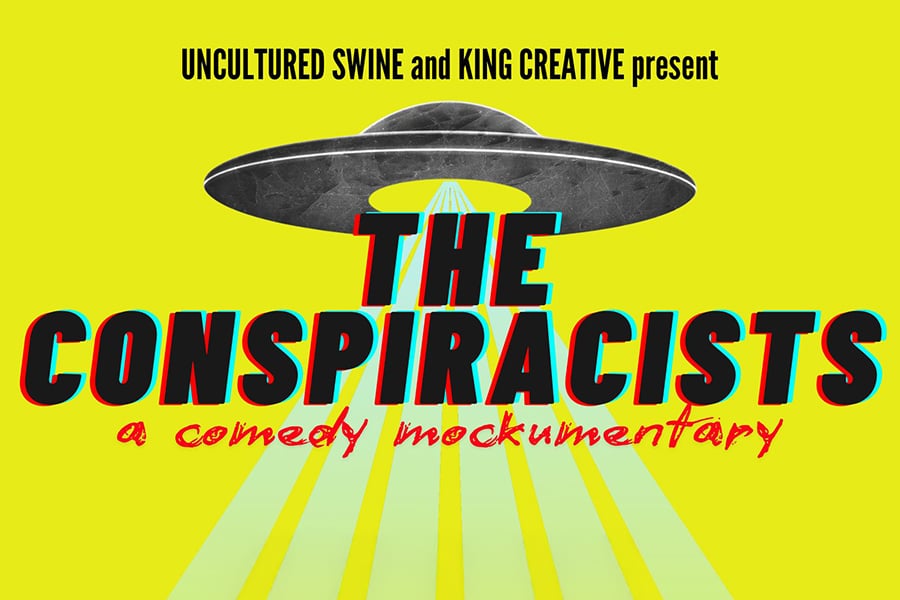
  • Mockumentary Film The Conspiracists Premieres January 8

    Mockumentary Film The Conspiracists Premieres January 8

    Delaware Production The Conspiracists Premieres January 8

    The world premiere screening of the film kicks off at 8 p.m. on Thursday, January 8, 2026 at the Grand Opera House, located at 818 N. Market Street in Wilmington, DE, followed by Q&A with filmmakers and cast.

    This will be a full Hollywood-style premiere, with the Big Spotlights, a Red Carpet photo opportunity, and a Q&A session after the film.

    The Red Carpet Experience and Pre-Screening VIP Reception begins at 6 p.m.
    To purchase tickets, please visit The Grand.
    If you can’t make the premiere, watch for it on January 9 on Amazon Prime and Verizon Fios!

    Directed by Michael Perrie Jr. and produced by Uncultured Swine and Delaware-based King Creative, the comedy mockumentary follows a pair of siblings (played by Terrie Lynne and Christopher Murray) as they attempt to organize the world’s first-ever all-inclusive conspiracy convention, ConCon.

    However, when Daisy and Eric Sureloc’s dreams of building the conspiracy convention begin to shatter, it’s up to one of them to put the pieces back together. At the same time, the other strives to uncover a bigger conspiracy at play.

    How did this ultra-low-budget indie film, shot in only 11 days and made for a fraction of a typical production budget, come to fruition… and in Delaware of all places? “It started with a hilarious script, years-long friendships that turned into creative partnerships, the desire to bring a unique story to life, and an ambitious timeline along with a giant leap of faith,” explained executive producers Beatriz Naranjo and Delaware native Edward Layfield, founders of the NYC-based production hub Uncultured Swine. The Conspiracists mark their feature film debut as producers, although they’ve previously produced other smaller-scale projects, including TV pilots and short films.

    The original script was written by their talented close friends, husband-and-wife duo Michael Perrie Jr. and Lacy Reily. “As we wander into another time of emotional, political, and social insecurity, conspiracy runs rampant with every new post online,” said Perrie Jr. “You’ll find hours of conspiracy theories ripe for the picking. But there is one simple, beautiful thread tying it all together – people just want to be part of a community. We wanted to write something that makes people think a little, laugh a lot, and come together.”

    Naranjo and Layfield also partnered with Christopher Robert Bruce, the visionary behind Wilmington-based King Creative, bringing Bruce on as executive producer. The film’s entire production operation was based out of King Creative’s studio at 727 N. Market Street. “I understood their vision and realized this was a huge opportunity, and it meant so much to me to bring a film production on this level to my home state,” said Bruce.

    “12 of the film’s 13 locations were shot in the state of Delaware, and Chris was pivotal in providing the right connections and partnerships needed to make this happen,” said Naranjo. “From small business connections to location scouting and access to in-house production services and casting, Christopher was an incredibly vital asset that made the entire production seamless.”

    Most of the cast and production crew have Delaware ties, including lead actress Terrie Lynne, a Broadway star who plays the protagonist, Daisy. Delawareans will see notable local landmarks in the film, including the Hotel du Pont and the Grand Opera House, as well as small businesses like the Siegel JCC, Precious Paws, Delaware Tire Center and Captain Blue Hen Comics.While most feature films cost millions of dollars to produce, The Conspiracists is a SAG Ultra Low Budget (ULB) production with an ambitious eleven-consecutive-day shooting schedule and a $250,000 budget. They managed to make the numbers work thanks to a tax incentive by the Delaware Television & Motion Picture Commission, creative crowdfunding through a nonprofit platform, a few private investors, leveraging local relationships and equity kicked in by the producers.

    Given the nature of independent filmmaking, Layfield said they were able to cut costs by having everyone on the crew play multiple roles (including hilarious cameos throughout the film). Naranjo is also credited as Production and Wardrobe Designer (overseeing approximately 76 wardrobe needs and multiple set dressing components); Layfield handled hospitality, transportation and catering; producer Maren Lavelle served as the Assistant Director and the Certified Animal Trainer on set; Perrie Jr. stepped in as “The Documentarian” himself; and Christopher Bruce served as the central Location Scout point of contact, Key Grip during filming, Post Production Supervisor, as well as composing an original song for the film with Grammy Nominated Platinum Producer, Herb Middleton and Celebrated Vocalist, Jacci McGhee. The track, “Ooo Wee, /The Truth Will Set You Free”, is the driver for both the opening Title Sequence and End Credits.

    “What we accomplished in 11 days was truly a miracle,” exclaimed Bruce. “But it was also the result of incredible preparation, tenacious work ethic, and a deep desire to make this little movie a love letter to the State of Delaware!

    *Full disclosure: Pop Culture Madness helped in the production of the film.

  • James Bond

    James Bond

    James Bond Films

    Based on the Ian Fleming novels, the James Bond film series is a hallmark of espionage cinema, known for its iconic characters and thrilling adventures. The series started in 1962 with Dr. No, introducing Sean Connery as the suave and sophisticated spy James Bond. Connery’s portrayal set the standard for Bond’s character: a blend of charm, intelligence, and lethal efficiency.

    Primary Characters in James Bond Films

    James Bond himself has been portrayed by several actors over the decades, each bringing their own flair to the role. After Sean Connery, George Lazenby took a brief turn in On Her Majesty’s Secret Service (1969), followed by Roger Moore, who played Bond with a more humorous and light-hearted tone through the 1970s and early 1980s. Timothy Dalton brought a grittier and more serious Bond in the late 1980s. In the 1990s, Pierce Brosnan reintroduced Bond with a balance of charisma and cold determination, aligning with the digital age. Daniel Craig took over in 2006 with Casino Royale, portraying a raw, emotional, and physically imposing Bond, a significant shift from his predecessors. Each actor’s interpretation showed different facets of Bond’s complex personality.

    Significant Secondary Characters

    The longevity of the James Bond series is not only due to the appeal of its primary character but also to its memorable secondary characters:

    • M is the head of MI6 and Bond’s commanding officer, initially played by Bernard Lee, then by Judi Dench and Ralph Fiennes. M’s character evolves from a strictly professional overseer to a more complex figure with a deeply personal relationship with Bond, especially in the films starring Judi Dench.

    • Q (Quartermaster) provides Bond with various gadgets and vehicles essential for his missions. Desmond Llewelyn portrayed Q for many years, giving the character a lovable, paternal quality. John Cleese and Ben Whishaw later took over the role, adding layers of eccentricity and modern tech-savviness.

    • Miss Moneypenny is M’s secretary, often portrayed with a flirtatious banter with Bond. Lois Maxwell was the first to establish the role, followed by actresses like Samantha Bond and Naomie Harris, who brought new dimensions to Moneypenny, showing her as more than just an office fixture by including fieldwork in her character arc.

    Bond Villains and Evil Organizations: Key Adversaries in the 007 Saga

    The James Bond series is defined as much by its charismatic protagonist as by its compelling villains and sinister organizations. These adversaries challenge Bond and add depth and excitement to the narratives.

    Iconic Bond Villains

    Ernst Stavro Blofeld, perhaps the most notorious of all Bond villains, stands out as James Bond’s arch-nemesis across multiple films. Characterized by his bald head, facial scar, and penchant for stroking a white cat, Blofeld is the global criminal organization SPECTRE leader. His plots typically involve grandiose schemes for world domination or massive economic disruption. Portrayed by several actors, including Donald Pleasence and Christoph Waltz, Blofeld’s menacing presence and intellectual battle with Bond make him a quintessential villain.

    Auric Goldfinger from Goldfinger (1964) is another memorable villain. He is famous for his greed for gold and his plan to contaminate Fort Knox’s United States Bullion Depository. Goldfinger’s distinctiveness lies in his resourcefulness and the iconic line, “No, Mr. Bond, I expect you to die,” which he delivers during one of the most memorable torture scenes in cinematic history.

    Le Chiffre, featured in Casino Royale (2006), is a financier of terrorism with a chilling calmness and a knack for poker. His strategic mind and high-stakes gambling with Bond make their confrontations thrilling and intellectually engaging.

    Evil Organizations

    SPECTRE (Special Executive for Counterintelligence, Terrorism, Revenge, and Extortion) is the most infamous organization in the Bond universe. Featured in several films, SPECTRE’s objectives revolve around global disruption and profiting from the ensuing chaos. The organization is structured like a corporation but with loyalty enforced through fear, making it a persistent threat to international security.

    Quantum, introduced in the Daniel Craig era as a contemporary equivalent of SPECTRE, is another shadowy organization. Its members are influential individuals who manipulate world events for their own gain. In Quantum of Solace (2008), they are depicted as orchestrating a coup in Bolivia to monopolize freshwater resources.

    Impact of Villains and Organizations

    The villains and their organizations significantly shape the narrative and thematic structure of the James Bond series. They introduce high stakes and moral complexities, pushing Bond to his limits and often forcing him to confront his own values and decisions. Moreover, these villains reflect societal fears and anxieties at each movie’s release, evolving from Cold War concerns to global terrorism and economic manipulation.

    Bond Girls: Iconic Characters and the Actresses Who Played Them

    “Bond girls” are vital to the charm and appeal of the James Bond series. These characters range from allies and love interests to villains, each bringing a unique dynamic to the story. Here is a list of some of the most memorable Bond girls and the talented actresses who portrayed them:

    1. Honey Ryder – Ursula Andress. In Dr. No (1962), Honey Ryder, emerging from the sea in a white bikini, is iconic, setting the standard for Bond girls as appealing and formidable.

    2. Tatiana Romanova – Daniela Bianchi. From Russia with Love (1963) features Tatiana as a Soviet consulate clerk embroiled in Bond’s mission.

    3. Pussy Galore – Honor Blackman. In Goldfinger (1964), Pussy Galore is a complex character who runs an all-woman flying circus and initially works with Goldfinger before ultimately helping Bond.

    4. Domino Derval – Claudine Auger. In Thunderball (1965), Domino is an ally to Bond and plays a key role in foiling the villain’s nuclear extortion plot.

    5. Kissy Suzuki – Mie Hama. Featured in You Only Live Twice (1967), Kissy helps Bond in Japan and eventually marries him during an undercover mission.

    6. Tracy di Vicenzo – Diana Rigg. Tracy, in On Her Majesty’s Secret Service (1969), is one of Bond’s most significant romantic interests, marrying him in a rare turn of events for the series.

    7. Solitaire – Jane Seymour. A psychic tarot card reader in Live and Let Die (1973), Solitaire’s powers are linked to her virginity, which Bond takes.

    8. Mary Goodnight – Britt Ekland. In The Man with the Golden Gun (1974), Mary Goodnight is Bond’s somewhat bumbling assistant, who nonetheless helps foil the villain’s plan.

    9. Anya Amasova – Barbara Bach. Known as Triple X in The Spy Who Loved Me (1977), Anya is a skilled KGB agent who rivals and romances Bond.

    10. Octopussy – Maud Adams. Adams, appearing in Octopussy (1983), plays the title character who runs a circus as a front for smuggling operations.

    11. Stacey Sutton – Tanya Roberts. In A View to a Kill (1985), Stacey Sutton is an American geologist who teams up with Bond to stop the villainous Max Zorin from destroying Silicon Valley

    12. May Day – Grace Jones. A fearsome and physically imposing character in A View to a Kill (1985), May Day starts as a villain but switches sides.

    13. Kara Milovy – Maryam d’Abo. In The Living Daylights (1987), Kara is a cellist and unwitting pawn in her boyfriend’s defection scheme, who ultimately assists Bond.

    14. Natalya Simonova – Izabella Scorupco. A computer programmer who plays a central role in GoldenEye (1995), helping Bond prevent a nuclear catastrophe.

    15. Elektra King – Sophie Marceau. In The World Is Not Enough (1999), Elektra initially appears as a victim but is revealed as a complex antagonist with a deadly agenda.

    16. Jinx Johnson – Halle Berry. Die Another Day (2002) features Jinx as an NSA agent who equals Bond in skills and daring, making her a formidable ally against North Korean adversaries

    17. Vesper Lynd – Eva Green. In Casino Royale (2006), Vesper Lynd is a complex and tragic figure crucial to the emotional development of Daniel Craig’s Bond.

    18. Madeleine Swann – Léa Seydoux. Introduced in Spectre (2015) and returning in No Time to Die (2021), Madeleine is a psychiatrist deeply connected to Bond’s past and future.

    Two Dozen Facts and Trivia About James Bond and His Cohorts

    1. Ian Fleming’s Inspiration: James Bond was named after an American ornithologist, a choice Fleming made because he wanted a name that sounded “as mundane as possible.”
    2. M’s Real Names: Over the series, M’s real name has been revealed as Sir Miles Messervy (portrayed by Bernard Lee) and Olivia Mansfield (portrayed by Judi Dench)
    3. The Bond Theme: Monty Norman is credited with writing the “James Bond Theme,” although there was a legal dispute with John Barry, who arranged it and wrote many other scores for the series.
    4. 007: The code “007” comes from 1909 when the British government established its Secret Service Bureau, using 00 to denote a license to kill.
    5. First Bond Film: Dr. No (1962) was the first James Bond film with a relatively modest budget of about $1 million.
    6. Role Refusals: Several actors, including Cary Grant, Clint Eastwood, and Burt Reynolds, have turned down the role of James Bond.
    7. Oscar for Bond: The first Oscar won by a Bond film was for sound effects in Goldfinger (1964).
    8. Real Spy Gadgets: Fleming incorporated real-world spy gadgets into his novels, inspired by his experience as a naval intelligence officer.
    9. Most Films as Bond: Roger Moore and Sean Connery starred in seven Bond films, the most by any actor.
    10. Bond’s Favorite Drink: While “martini, shaken not stirred” is famous, Bond’s first drink in the books is a Scotch and soda.
    11. Miss Moneypenny: Lois Maxwell played Miss Moneypenny in 14 Bond films, more than any other actress in a single Bond character role.
    12. Highest-Grossing Bond Film: Skyfall (2012) is the highest-grossing Bond film, earning over $1.1 billion worldwide.
    13. Bond’s Car: The Aston Martin DB5 first appeared in Goldfinger and became Bond’s most iconic vehicle.
    14. Longest Gap: The longest gap between Bond films was six years, between Licence to Kill (1989) and GoldenEye (1995).
    15. Bond’s Watches: Over the years, Bond has worn Rolex, Omega, and Seiko watches, among others.
    16. Literary Bond: Fleming wrote 12 Bond novels and two collections of short stories before he died in 1964.
    17. Youngest Bond: George Lazenby was the youngest actor to play Bond, taking the role at age 29 in On Her Majesty’s Secret Service.
    18. The Spy Who Loved Me: Ian Fleming sold the rights to The Spy Who Loved Me under the condition that only the title could be used, leading to a film plot completely different from the book.
    19. Bond’s Family Background: Sean Connery added Bond’s Scottish heritage, which influenced later novels and films.
    20. Death of a Bond: On Her Majesty’s Secret Service ends with the death of Bond’s wife, one of the few times Bond’s personal life takes a tragic turn in the series.
    21. Technological Forecasts: Bond films often featured technology ahead of its time, such as GPS tracking in Goldfinger, long before it was publicly available.
    22. Iconic Intro: The gun barrel sequence that opens almost every Bond film was created by Maurice Binder for the first film, Dr. No.
    23. Helicopter Stunt: The corkscrew car jump in The Man with the Golden Gun was calculated using computer modeling, one of the first uses of CGI in film.
    24. Villain’s Reappearance: Ernst Stavro Blofeld, one of Bond’s greatest enemies, has appeared in more films than any other villain, portrayed by different actors each time.

    Six actors have officially played the role of James Bond in the film series produced by EON Productions.

    Sean Connery (1962–1967, 1971, 1983): Scottish actor Sean Connery was the first to portray James Bond, starting with Dr. No in 1962. He defined Bond’s suave and charismatic nature, appearing in five consecutive films before initially stepping down after You Only Live Twice (1967). Connery returned for Diamonds Are Forever (1971) and later in the non-EON-produced Never Say Never Again (1983).

    George Lazenby (1969): George Lazenby, an Australian model, played Bond in just one film, On Her Majesty’s Secret Service (1969). His performance is often noted for its vulnerability and depth, especially as Bond experiences personal loss.

    Roger Moore (1973–1985): Roger Moore played Bond in seven films, starting with Live and Let Die (1973) and ending with A View to a Kill (1985). Moore’s portrayal was humorous and lighthearted, matching the 1970s and early 1980s sensibilities.

    Timothy Dalton (1987–1989): Timothy Dalton’s two films, The Living Daylights (1987) and Licence to Kill (1989), brought a darker and more serious tone to the role. His interpretation was closer to Fleming’s original vision of the character as a brooding, complex figure.

    Pierce Brosnan (1995–2002): Pierce Brosnan rejuvenated the franchise in the post-Cold War era, beginning with GoldenEye (1995). Brosnan’s Bond was polished, charming, and equipped with high-tech gadgets, starring in four films until Die Another Day (2002).

    Daniel Craig (2006–2021): Daniel Craig took over the role with Casino Royale (2006), bringing an intense physicality and emotional depth to Bond. His portrayal showed Bond’s origins and personal growth over five films, concluding with No Time to Die (2021).

    List of James Bond Films

    Dr. No (1962)
    US release date: October 5, 1962.
    Gross: $59.6 million. Starring: Sean Connery, Ursula Andress, Joseph Wiseman.
    Plot: James Bond is sent to Jamaica to investigate the disappearance of a fellow agent and uncovers a sinister plot involving a megalomaniacal villain named Dr. No.
    From Russia with Love (1964)
    US release date: April 8, 1964.
    Gross: $78.9 million. Starring: Sean Connery, Daniela Bianchi, Pedro Armendáriz.
    Plot: James Bond is sent to Istanbul to retrieve a Soviet decoding machine but falls for a beautiful Russian spy and becomes the target of a deadly assassination plot.
    Goldfinger (1964)
    US release date: September 18, 1964.
    Gross: $124.9 million. Starring: Sean Connery, Honor Blackman, Gert Fröbe.
    Plot: James Bond investigates a gold magnate suspected of smuggling gold out of England and plotting to irradiate the gold in Fort Knox.
    Thunderball (1965)
    US release date: December 22, 1965.
    Gross: $141.2 million. Starring: Sean Connery, Claudine Auger, Adolfo Celi.
    Plot: James Bond is sent to the Bahamas to recover two nuclear warheads stolen by SPECTRE, a criminal organization led by the villainous Ernst Stavro Blofeld.
    Casino Royale
    US Release date: April 13, 1967 (about Casino Royale ’67)
    You Only Live Twice (1967)
    US release date: June 13, 1967.
    Gross: $111.6 million. Starring: Sean Connery, Akiko Wakabayashi, Donald Pleasence.
    Plot: James Bond is sent to Japan to investigate the disappearance of American and Soviet spacecraft and uncovers a plot by SPECTRE to start a war between the two nations.
    On Her Majesty’s Secret Service (1969)
    US release date: December 18, 1969.
    Gross: $82 million. Starring: George Lazenby, Diana Rigg, Telly Savalas.
    Plot: James Bond falls in love with a woman who is later killed by his archenemy, Ernst Stavro Blofeld, leading Bond to embark on a revenge mission.
    Diamonds Are Forever (1971)
    US release date: December 17, 1971.
    Gross: $116 million. Starring: Sean Connery, Jill St. John, Charles Gray.
    Plot: James Bond investigates a diamond smuggling ring that leads him to Las Vegas and an evil plot by SPECTRE to create a giant laser satellite.
    Live and Let Die (1973)
    US release date: June 27, 1973.
    Gross: $126.4 million. Starring: Roger Moore, Yaphet Kotto, Jane Seymour.
    Plot: James Bond investigates a drug trafficking ring in the Caribbean and encounters a powerful voodoo cult and its leader, Kananga.
    The Man with the Golden Gun (1974)
    US release date: December 19, 1974.
    Gross: $97.6 million. Starring: Roger Moore, Christopher Lee, Britt Ekland.
    Plot: James Bond is sent to find a powerful weapon called the Solex Agitator before it falls into the hands of the villainous assassin Francisco Scaramanga, who has a personal vendetta against Bond.
    The Spy Who Loved Me (1977)
    US release date: July 7, 1977.
    Gross: $185.4 million. Starring: Roger Moore, Barbara Bach, Curd Jürgens.
    Plot: James Bond teams up with a Soviet agent, Anya Amasova, to investigate the disappearance of nuclear submarines and stop a maniacal shipping magnate, Karl Stromberg, from starting a global war.
    Moonraker (1979)
    US release date: June 29, 1979.
    Gross: $210.3 million. Starring: Roger Moore, Lois Chiles, Michael Lonsdale.
    Plot: James Bond investigates the theft of a space shuttle and discovers a sinister plot by the wealthy industrialist Hugo Drax to create a new world order using a deadly virus.
    For Your Eyes Only (1981)
    US release date: June 26, 1981.
    Gross: $195.3 million. Starring: Roger Moore, Carole Bouquet, Topol.
    Plot: James Bond is sent to recover a stolen encryption device before it falls into the wrong hands and becomes the key to global domination.
    Octopussy (1983)
    US release date: June 10, 1983.
    Gross: $187.5 million. Starring: Roger Moore, Maud Adams, Louis Jourdan.
    Plot: James Bond investigates a Soviet plot to detonate a nuclear bomb in Western Europe and teams up with a beautiful jewel smuggler named Octopussy.
    A View to a Kill (1985)
    US release date: May 24, 1985.
    Gross: $152.4 million. Starring: Roger Moore, Christopher Walken, Tanya Roberts.
    Plot: James Bond investigates a plan by the wealthy industrialist Max Zorin to destroy Silicon Valley and monopolize the microchip market.
    The Living Daylights (1987)
    US release date: July 31, 1987.
    Gross: $191.2 million. Starring: Timothy Dalton, Maryam d’Abo, Jeroen Krabbé.
    Plot: James Bond is sent to investigate a Soviet general suspected of planning to defect and uncover a plot to kill him.
    License to Kill (1989)
    US release date: July 14, 1989.
    Gross: $156.2 million. Starring: Timothy Dalton, Carey Lowell, Robert Davi.
    Plot: James Bond resigns from MI6 to seek revenge on a drug lord who has attacked his friend and is planning to distribute a new, highly addictive drug.
    GoldenEye (1995)
    US release date: November 17, 1995.
    Gross: $352.2 million. Starring: Pierce Brosnan, Sean Bean, Izabella Scorupco.
    Plot: James Bond investigates the theft of a powerful weapon, the GoldenEye, and uncovers a plot by a former MI6 agent to cause a global financial meltdown.
    Tomorrow Never Dies (1997)
    US release date: December 19, 1997.
    Gross: $333 million. Starring: Pierce Brosnan, Jonathan Pryce, Michelle Yeoh.
    Plot: James Bond teams up with a Chinese spy to stop a media mogul manipulating global events to increase his power and ratings.
    The World Is Not Enough (1999)
    US release date: November 19, 1999.
    Gross: $361.8 million. Starring: Pierce Brosnan, Sophie Marceau, Robert Carlyle.
    Plot: James Bond is sent to protect an oil heiress from a terrorist who wants to destroy her family’s business and start a nuclear war.
    Die Another Day (2002)
    US release date: November 22, 2002.
    Gross: $431.9 million. Starring: Pierce Brosnan, Halle Berry, Toby Stephens.
    Plot: James Bond is captured and tortured for 14 months, and upon his release, he must stop a North Korean terrorist from using a satellite to create a global disaster.
    Casino Royale (2006)
    US release date: November 17, 2006.
    Gross: $599 million. Starring: Daniel Craig, Eva Green, Mads Mikkelsen.
    Plot: James Bond earns his license to kill and is sent to play high-stakes poker against a terrorist financier to prevent him from winning a huge sum of money he plans to use for nefarious purposes.
    Quantum of Solace (2008)
    US release date: November 14, 2008.
    Gross: $586.1 million. Starring: Daniel Craig, Olga Kurylenko, Mathieu Amalric.
    Plot: James Bond seeks revenge for his lover’s death and uncovers a plot by a mysterious organization called Quantum to control Bolivia’s water supply.
    Skyfall (2012)
    US release date: November 9, 2012.
    Gross: $1.1 billion. Starring: Daniel Craig, Javier Bardem, Judi Dench.
    Plot: James Bond must protect MI6 and M, who is being targeted by a former agent seeking revenge for past events while confronting his own mortality and past.
    Spectre (2015)
    US release date: November 6, 2015.
    Gross: $880.7 million. Starring: Daniel Craig, Christoph Waltz, Léa Seydoux.
    Plot: James Bond follows a cryptic message that leads him to uncover the existence of a shadowy organization known as Spectre and confronts his archenemy, Ernst Stavro Blofeld.
    No Time To Die (2021)
    US release date: October 8, 2021.
    Gross: $772.8 million (as of March 2023). Starring: Daniel Craig, Léa Seydoux, Rami Malek.
    Plot: James Bond comes out of retirement to help a former colleague rescue a kidnapped scientist but becomes embroiled in a plot by a vengeful and dangerous villain named Safin, who has a personal connection to Bond and plans to unleash a devastating biological weapon on the world.

    Casino Royale (1967)

    Release Date and Stars Casino Royale, released on April 13, 1967, in the United States, features a unique and star-studded cast that distinguishes it from other James Bond film series entries. Unlike the traditional single-actor portrayal of Bond, Casino Royale experiments with multiple actors taking on the role, including David Niven as Sir James Bond, Peter Sellers as Evelyn Tremble (who also poses as James Bond), and Ursula Andress as Vesper Lynd. The film also stars Orson Welles as Le Chiffre and Woody Allen as Jimmy Bond.

    Plot The plot of Casino Royale (1967) deviates significantly from Ian Fleming’s novel. In this satirical take on the spy genre, the story revolves around the aging Sir James Bond, who is forced out of retirement to deal with the threats from SMERSH, a global criminal organization. To confuse SMERSH, Bond’s plan involves having multiple agents claim to be “James Bond,” thereby diluting the identity and thwarting assassination attempts. The film’s tone is comedic and chaotic, with disjointed and whimsical sequences culminating in a bizarre and explosive finale at Casino Royale.

    Why It Is Not Considered an “Official” James Bond Film Casino Royale (1967) is not considered part of the official EON Productions’ James Bond series for several reasons:

    1. Rights Issues: The rights to the Casino Royale novel were acquired initially separately from the rest of Fleming’s works, which Albert R. Broccoli and Harry Saltzman for EON Productions secured. Casino Royale was produced by Charles K. Feldman, who created a spoof of the Bond series rather than a straightforward adaptation after failing to come to terms with EON.

    2. Tone and Style: The film’s tone is far removed from the serious and action-oriented style of the EON series. Its parody approach to the material and slapstick comedy elements contrast sharply with the conventional portrayal of Bond in the mainstream series.

    3. Different Production Company: Since the film was produced by a different company and without the involvement of Broccoli and Saltzman, it falls outside the continuity of the EON-produced films.


  • The Best Week Ever (for Movies): July 1-8, 1982

    The Best Week Ever (for Movies): July 1-8, 1982

    The Best Week Ever (for Movies): July 1982

    In pop culture’s long and winding timeline, a few rare weeks seem touched by cinematic magic. The first week of July 1982 was one of them. Movie theaters were packed with films that would go on to shape decades of storytelling—sci-fi thrillers, heart-wrenching family dramas, gritty action, and genre-defining horror. These weren’t just hits—they were the blueprints for entire genres, launching careers and redefining what Hollywood could be.

    No major studio releases hit screens between July 1–8, 1982, but that didn’t matter. What was already in theaters was historic. This wasn’t just a good week for movies. It might have been the best.

    These weren’t just box office hits—they helped shape genres, launch careers, and inspire future filmmakers. It was a rare cultural alignment where sci-fi, horror, fantasy, musicals, action, and drama simultaneously hit their stride.

    ???? The Rules:

    • No new releases from July 1–8, 1982.

    • All films listed were still in theaters and available that week.

    • Cultural impact > opening weekend.

    So let’s walk through the Top 10 films you could have seen in one week during Summer ‘82.

    #10. Firefox

    ???? Released: June 18, 1982
    ???? Directed by and starring Clint Eastwood
    ????️ A Cold War techno-thriller with a sci-fi edge. Eastwood plays a pilot stealing a high-tech Soviet fighter jet with mind-control weapons.
    ✅ Not a classic today, but peak ’80s Eastwood—and very on-brand for Reagan-era American psyche.


    #9. Annie

    ???? Released: June 18, 1982
    ???? Based on the Broadway hit (which was based on the comic strip, which was based on a 1924 poem).
    ???? It stayed in theaters through October!
    ???? Revived again in 1999, 2014, and most recently in NBC’s Annie Live! (2021).
    ???? “Tomorrow” may be the most relentlessly hopeful song ever written.


    #8. Blade Runner

    ???? Released: June 25, 1982
    ???? Directed by Ridley Scott
    ???? A neo-noir sci-fi masterpiece that flopped initially but became a cult obsession.
    ???? Based on Do Androids Dream of Electric Sheep? by Philip K. Dick
    ????️‍????️ Influenced everything from The Matrix to Cyberpunk 2077.
    ????️ Sequel: Blade Runner 2049 (2017)


    #7. The Thing

    ???? Released: June 25, 1982
    ???? Directed by John Carpenter
    ❄️ Set in Antarctica, featuring groundbreaking practical effects and an all-male cast, except for Adrienne Barbeau’s voice as a chess computer.
    ???? Based on 1938’s novella Who Goes There?
    ???? Horror? Sci-fi? Psychological thriller? Yes.
    ???? It bombed at release—but now ranks among the greatest horror films ever made.


    #6. The Road Warrior (Mad Max 2)

    ???? Released: May 21, 1982
    ???? Gritty, relentless, and essential.
    ???? This was post-apocalyptic before it was trendy—setting the visual language for everything from Fallout to Fury Road.
    ???????? Starring Mel Gibson as Max.
    ???? Wild stunts, no CGI, just dust, fire, and mythmaking.


    #5. Conan the Barbarian

    ???? Released: May 14, 1982
    ????️ Gave us Arnold Schwarzenegger in his first major speaking role.
    ????️ Also featured James Earl Jones as a hypnotic cult leader.
    ???? Based on Robert E. Howard’s pulp characters from the 1930s
    ???? The soundtrack by Basil Poledouris is still regarded as one of the best epic scores ever written.


    #4. Poltergeist

    ???? Released: June 4, 1982
    ???? “They’re heeere…”
    ???? Produced (and maybe co-directed?) by Steven Spielberg.
    ???? It pushed the limits of the PG rating and indirectly helped create the PG-13 category just two years later.
    ????️ Still scary. Still iconic. Still quoted by horror directors everywhere.


    #3. Star Trek II: The Wrath of Khan

    ???? Released: June 4, 1982
    ???? The best Star Trek film? Most fans say yes.
    ???? A sequel to Star Trek: The Motion Picture and the 1967 TV episode Space Seed.
    ???? Ricardo Montalbán (Khaaaaan!) remains one of sci-fi’s greatest villains.
    ???? This movie proved Trek could be cinematic without losing its brain.


    #2. Rocky III

    ???? Released: May 28, 1982
    ???? Eye of the Tiger. Mr. T. Hulk Hogan.
    ???? It gave the franchise more flash and more speed, but kept the heart.
    ???? Many fans rank it second only to Rocky II.
    ???? Fun fact: This is the Rocky movie where Apollo trains Rocky.


    #1. E.T. the Extra-Terrestrial

    ???? Released: June 11, 1982
    ???? Steven Spielberg’s biggest box office hit.
    ???? Also the best-selling licensed movie merchandise of the entire decade.
    ???? Stayed in theaters for over a year.
    ???? It’s emotional, timeless, and probably why Reese’s Pieces still exist.


    ???? Honorable(?) Mention: Grease 2

    ???? Released: June 11, 1982
    ???? Michelle Pfeiffer’s breakout role
    ???????? Out of theaters by July 2.
    ???? Missed the cut by a hair—literally.


    ???? Why This Week Still Matters

    This wasn’t just a big week—it was a perfect storm of genre-defining cinema. Think about it:

    • 3 of the most influential sci-fi films ever (Blade Runner, The Thing, E.T.)

    • A game-changing horror (Poltergeist)

    • A definitive sequel (Wrath of Khan)

    • A top-tier Rocky installment

    • The most emotionally iconic Spielberg movie

    All on screen. All in the same week.

    Not every movie on that list was a hit right away, but every one of them is still being watched, quoted, rebooted, or studied 40+ years later.

    There may never be another lineup like the first week of July 1982.

    So… which ones have you seen?

  • Bing Crosby, Bob Hope, Dorothy Lamour Road Films

    Bing Crosby, Bob Hope, Dorothy Lamour Road Films

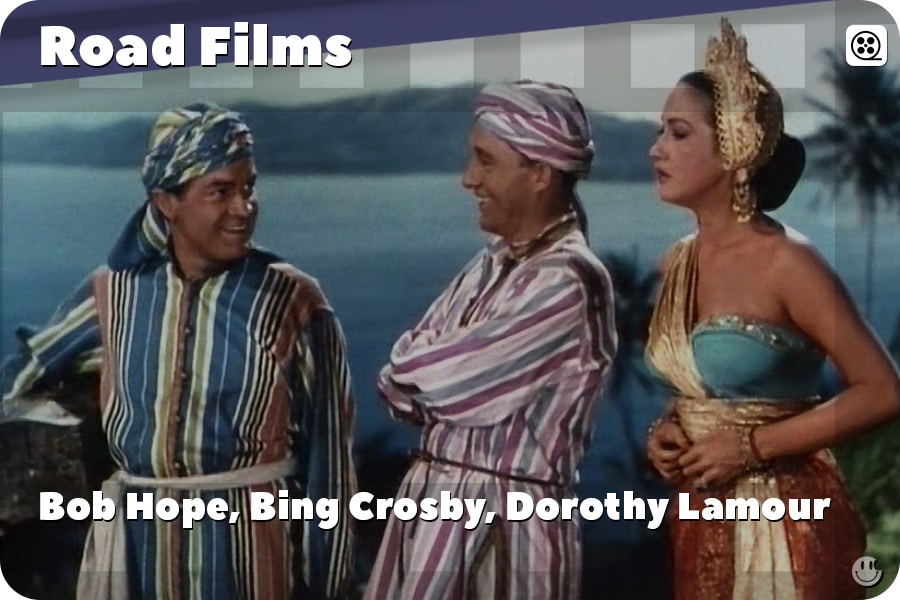
    Road Films With Bob Hope, Bing Crosby, and Dorothy Lamour

    The Road to Singapore (1940)

    US Release Date: March 14, 1940
    Starring: Bing Crosby, Bob Hope, Dorothy Lamour\
    Plot: Best friends Josh (Bing Crosby) and Ace (Bob Hope) flee their impending marriages and sail to the exotic port of Singapore. There, they meet Mima (Dorothy Lamour), a captivating dancer, and both vie for her affections, sparking a series of comedic rivalries and adventures.

    The Road to Zanzibar (1941)
    US Release Date: April 11, 1941
    Starring: Bing Crosby, Bob Hope, Dorothy Lamour
    Plot: After escaping from a circus con, Josh and Ace embark on a wild African adventure. They cross paths with diamond smugglers and a princess in need of a husband, leading to a chaotic scramble through the jungle filled with humor and danger.

    The Road to Morocco (1942)

    US Release Date: October 5, 1942
    Starring: Bing Crosby, Bob Hope, Dorothy Lamour
    Plot: Shipwreck survivors Josh and Ace wash up on the shores of Morocco, where they stumble into a plot involving a beautiful princess and a scheming sheik. The duo’s hilarious misadventures include romantic entanglements and mistaken identities.

    The Road to Utopia (1946)

    US Release Date: March 27, 1946
    Starring: Bing Crosby, Bob Hope, Dorothy Lamour
    Plot: Seeking gold in Alaska, Josh and Ace impersonate dangerous criminals to claim a fortune. Their plans are complicated when they encounter a crooked saloon owner and a charming singer, leading to a treasure hunt filled with comic mishaps.

    The Road to Rio (1947)

    US Release Date: December 25, 1947
    Starring: Bing Crosby, Bob Hope, Dorothy Lamour
    Plot: After accidentally boarding a ship to Brazil, Josh and Ace find themselves entangled in a plot to steal a priceless diamond. Their journey is fraught with zany schemes and pursuits by international criminals, all set against the backdrop of Rio’s vibrant culture.

    The Road to Bali (1952)

    US Release Date: November 19, 1952
    Starring: Bing Crosby, Bob Hope, Dorothy Lamour
    Plot: Shipwrecked on a lush tropical island, Josh and Ace compete for the love of a beautiful native woman while dealing with the perils of a mad scientist and a legendary giant squid. The duo’s comic rivalry is tested in this exotic paradise.

    The Road to Hong Kong (1962)

    US Release Date: May 22, 1962
    Starring: Bing Crosby, Bob Hope, and Joan Collins, with an extended cameo featuring Dorothy Lamour
    Plot: In the series’ final film, Josh and Ace find themselves involved in a mistaken top-secret espionage plot. With the help of a mysterious spy (Joan Collins) and their old flame (Dorothy Lamour), they embark on a globe-trotting adventure that takes them from Hong Kong to the Himalayas, filled with classic antics and comedic confusion.

    Brief Biographies of Bob Hope, Bing Crosby, and Dorothy Lamour

    Bob Hope

    • Personality: Known for his quick wit and impeccable comedic timing, Bob Hope was one of the most beloved entertainers of the 20th century. His on-stage persona was that of a wise-cracking everyman, often poking fun at himself, which endeared him to audiences worldwide. Hope was also famous for his tireless support of American troops, performing in numerous USO shows over the decades.
    • Involvement in Road Films: Hope played a central role in the “Road” film series, often portraying characters that were lovable yet bumbling sidekicks to Bing Crosby’s slightly more composed figures. His humorous and light-hearted approach perfectly counterbalanced Crosby’s smooth demeanor, creating a dynamic and entertaining duo.

    Bing Crosby

    • Personality: Bing Crosby was known for his smooth baritone voice and laid-back, easygoing charm. He exuded a warm, approachable on-screen presence that made him a favorite in American homes. Off-camera, Crosby was a passionate golfer and a significant figure in the development of recorded media technology.
    • Involvement in Road Films: Crosby often played the “straight man” to Bob Hope’s comedic antics in the “Road” movies. His character usually initiated the duo’s various escapades and romantic entanglements. Crosby’s smooth singing voice was a highlight in many films, contributing to several memorable musical sequences.

    Dorothy Lamour

    • Personality: Dorothy Lamour was known for her exotic beauty and versatility as an actress. She often played the romantic interest or the damsel in distress with a touch of intelligence and moxie. Her warm demeanor and talent for comedy and drama made her a valuable and memorable part of any cast.
    • Involvement in Road Films: Lamour was famously dubbed the “Road” series’ leading lady, appearing in all but one of the films. She often played the role of a smart, resourceful woman who competed with and romanced Hope and Crosby’s characters. Lamour’s performances added charm and a romantic flair to the series, and her presence was integral to the trio’s chemistry.

    25 Bits of Trivia About the “Road Films”

    1. Improvised Genius: Much of Bob Hope’s and Bing Crosby’s dialogue was ad-libbed, contributing to the films’ spontaneous and humorous atmosphere.

    2. Recurring Leading Lady: Dorothy Lamour starred in all but the last of the original “Road” films, often wearing a sarong, which became her trademark look.

    3. Musical Highlights: Each film featured at least one song that became a hit, including classics like “Moonlight Becomes You” and “Road to Morocco.”

    4. Cameo Appearances: The series is known for its cameo appearances by well-known era stars, including Dean Martin, Jerry Lewis, and even Frank Sinatra.

    5. The Formula: The “Road” films followed a successful formula where Hope and Crosby would play two adventurers who end up in exotic locales, compete for Lamour’s affections, and sing songs.

    6. Breaking the Fourth Wall: Bob Hope and Bing Crosby frequently broke the fourth wall, directly addressing the audience, which was innovative for its time.

    7. Last-Minute Title: The Road to Hong Kong was initially titled The Road to the Moon but was changed due to the space race context of the time.

    8. Not the End: The Road to Hong Kong was intended to be followed by The Road to the Fountain of Youth, but it was never made due to Crosby’s death in 1977.

    9. Technicolor Triumph: The Road to Singapore, the first in the series, was one of the early films to use Technicolor, helping to popularize the technology.

    10. Critical Acclaim: While known for their comedic elements, the films were also critically acclaimed and received several award nominations.

    11. Parody Element: The films often parodied other popular genres and films of the time, including adventure epics and film noir.

    12. Animal Antics: Animals frequently played significant roles in the films, including an orangutan in The Road to Bali.

    13. Economic Impact: The series was extremely profitable, consistently earning more than double their production costs.

    14. Script Changes: Scripts were often rewritten on set to accommodate new jokes or plot ideas, particularly those improvised by Hope and Crosby.

    15. Innovative Marketing: The films were among the first to use extensive cross-promotion, often featuring in radio shows and comic strips.

    16. Film References: The series often referenced other films Hope, Crosby, and Lamour were filming at the time, poking fun at Hollywood itself.

    17. Impact on Pop Culture: Phrases from the films, such as “pat it and mark it with a ‘B’,” became catchphrases that entered popular vocabulary.

    18. Global Appeal: Despite their American sense of humor, the films enjoyed international success, helping to globalize Hollywood cinema.

    19. Directorial Shifts: The films had various directors; however, Hal Walker directed several, setting much of the stylistic tone.

    20. Unscripted Songs: Many of the songs were written impromptu on set and integrated into the films’ plots.

    21. Costume Influence: Dorothy Lamour’s sarong became so popular that it sparked a fashion trend in the 1940s.

    22. Legacy: The series influenced later buddy comedies, establishing a genre template of combining humor with exotic adventure.

    23. Adaptations: There were numerous adaptations of the series in other media, including radio plays and a comic book series.

    24. Ratings Success: The films were consistently among the top box office draws of their years of release.

    25. Enduring Popularity: The “Road” films remain popular today, frequently screened at film festivals and on classic movie channels.