Delaware Production The Conspiracists Premieres January 8 |
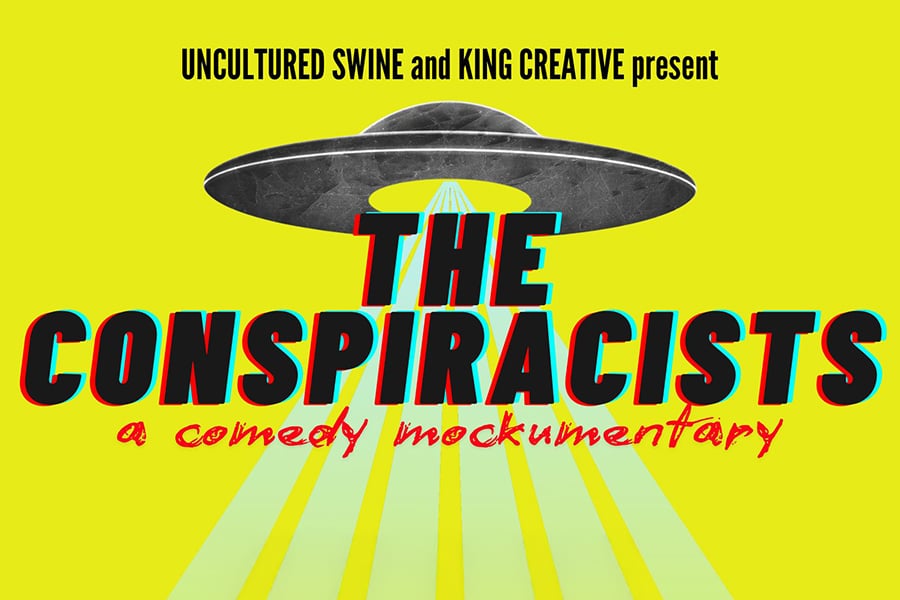
Directed by Michael Perrie Jr. and produced by Uncultured Swine and Delaware-based King Creative, the comedy mockumentary follows a pair of siblings (played by Terrie Lynne and Christopher Murray) as they attempt to organize the world’s first-ever all-inclusive conspiracy convention, ConCon. However, when Daisy and Eric Sureloc’s dreams of building the conspiracy convention begin to shatter, it’s up to one of them to put the pieces back together. At the same time, the other strives to uncover a bigger conspiracy at play. How did this ultra-low-budget indie film, shot in only 11 days and made for a fraction of a typical production budget, come to fruition… and in Delaware of all places? “It started with a hilarious script, years-long friendships that turned into creative partnerships, the desire to bring a unique story to life, and an ambitious timeline along with a giant leap of faith,” explained executive producers Beatriz Naranjo and Delaware native Edward Layfield, founders of the NYC-based production hub Uncultured Swine. The Conspiracists mark their feature film debut as producers, although they’ve previously produced other smaller-scale projects, including TV pilots and short films.
The original script was written by their talented close friends, husband-and-wife duo Michael Perrie Jr. and Lacy Reily. “As we wander into another time of emotional, political, and social insecurity, conspiracy runs rampant with every new post online,” said Perrie Jr. “You’ll find hours of conspiracy theories ripe for the picking. But there is one simple, beautiful thread tying it all together – people just want to be part of a community. We wanted to write something that makes people think a little, laugh a lot, and come together.” Naranjo and Layfield also partnered with Christopher Robert Bruce, the visionary behind Wilmington-based King Creative, bringing Bruce on as executive producer. The film’s entire production operation was based out of King Creative’s studio at 727 N. Market Street. “I understood their vision and realized this was a huge opportunity, and it meant so much to me to bring a film production on this level to my home state,” said Bruce. “12 of the film’s 13 locations were shot in the state of Delaware, and Chris was pivotal in providing the right connections and partnerships needed to make this happen,” said Naranjo. “From small business connections to location scouting and access to in-house production services and casting, Christopher was an incredibly vital asset that made the entire production seamless.” Most of the cast and production crew have Delaware ties, including lead actress Terrie Lynne, a Broadway star who plays the protagonist, Daisy. Delawareans will see notable local landmarks in the film, including the Hotel du Pont and the Grand Opera House, as well as small businesses like the Siegel JCC, Precious Paws, Delaware Tire Center and Captain Blue Hen Comics.While most feature films cost millions of dollars to produce, The Conspiracists is a SAG Ultra Low Budget (ULB) production with an ambitious eleven-consecutive-day shooting schedule and a $250,000 budget. They managed to make the numbers work thanks to a tax incentive by the Delaware Television & Motion Picture Commission, creative crowdfunding through a nonprofit platform, a few private investors, leveraging local relationships and equity kicked in by the producers. Given the nature of independent filmmaking, Layfield said they were able to cut costs by having everyone on the crew play multiple roles (including hilarious cameos throughout the film). Naranjo is also credited as Production and Wardrobe Designer (overseeing approximately 76 wardrobe needs and multiple set dressing components); Layfield handled hospitality, transportation and catering; producer Maren Lavelle served as the Assistant Director and the Certified Animal Trainer on set; Perrie Jr. stepped in as “The Documentarian” himself; and Christopher Bruce served as the central Location Scout point of contact, Key Grip during filming, Post Production Supervisor, as well as composing an original song for the film with Grammy Nominated Platinum Producer, Herb Middleton and Celebrated Vocalist, Jacci McGhee. The track, “Ooo Wee, /The Truth Will Set You Free”, is the driver for both the opening Title Sequence and End Credits. “What we accomplished in 11 days was truly a miracle,” exclaimed Bruce. “But it was also the result of incredible preparation, tenacious work ethic, and a deep desire to make this little movie a love letter to the State of Delaware! *Full disclosure: Pop Culture Madness helped in the production of the film. |
Category: Delaware
-

Mockumentary Film The Conspiracists Premieres January 8
-
Mischief Night in Delaware (Cabbage Night, Hell Night)
Mischief Night in Delaware: The Night Before Halloween Gets Weird
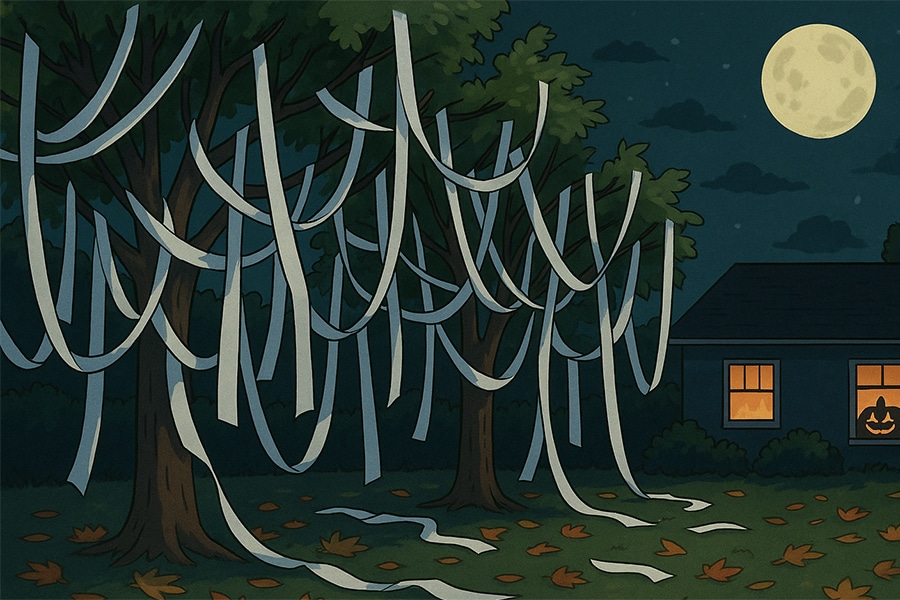
Before the candy, costumes, and porch lights of Halloween, Delaware has its own lesser-known holiday — Mischief Night. It’s the night before Halloween when some folks remember tossing rolls of toilet paper into trees, soaping up car windows, or playing lighthearted tricks on their neighbors.
While the term Mischief Night might sound like something straight out of New Jersey, Delaware embraced the tradition too — especially in its northern half. Depending on where you grew up, you might have called it Mischief Night, Goosey Night, or maybe just “the night we weren’t supposed to get caught.”
Delaware’s Mischief Night Traditions
In New Castle County, Mischief Night has long been part of the local Halloween culture. Kids in Wilmington, Newark, and Claymont picked up the term from nearby Philadelphia and South Jersey, where the custom was already legendary. The typical Delaware Mischief Night included the classics — toilet paper in trees, eggs on sidewalks, and the occasional mailbox relocation (usually a friend’s, of course).
Move a little south toward Kent County, and the name recognition fades. Residents there often remember Halloween Eve pranks but not the name “Mischief Night.” In Sussex County, the tradition almost disappears entirely, replaced by church “Harvest Festivals,” trunk-or-treats, or small-town parades.
If you drew a line along the C&D Canal, it would practically mark the cultural divide. North of it, Mischief Night belonged to the Mid-Atlantic prank belt. South of it, Halloween Eve was just a calm night before the big candy rush.
How Delaware Got Mischievous
The roots of Mischief Night in Delaware trace back to the mid-20th century. As families moved from Philadelphia and South Jersey into the suburbs of Wilmington and Newark, they brought neighborhood traditions with them — including this one. Local newspapers from the 1950s and 1960s occasionally mentioned “Halloween Eve pranks” and warnings about vandalism, mirroring reports across the Delaware River.
By the late 1970s and 1980s, Delaware police departments began issuing official Mischief Night advisories. The Wilmington News Journal reported in 1988 that officers were stepping up patrols to discourage property damage and fires, comparing the event to “New Jersey’s notorious Mischief Night.” One officer dryly noted, “If kids are throwing eggs, they better be scrambled at breakfast.”
The mischief itself rarely went beyond pranks. While Detroit’s “Devil’s Night” became infamous for arson, Delaware’s version stayed lighthearted — more toilet paper than trouble. Parents might shake their heads, but it was mostly accepted as part of Halloween’s pre-game ritual.
The Jersey Connection: Mischief Night’s Birthplace
To understand Delaware’s version, you have to look across the Delaware River. New Jersey is the undisputed capital of Mischief Night, and the state can’t even agree on what to call it. A now-viral map from @StrangeMorris on Instagram highlights the state’s remarkable slang diversity:
???? Mischief Night – The most common term used throughout Central and Southern New Jersey.
???? Cabbage Night – Northern New Jersey and parts of New England, rooted in the old prank of throwing spoiled vegetables.
???? Goosey Night – Found in Essex and Bergen counties; often involved egging cars or houses.
???? Gate Night – Used in New York and North Jersey; kids once removed farm gates or moved them down the road.
???? Hell Night – A rougher version in Detroit and parts of South Jersey, known for actual fires.
???? Tic-Tac Night – From tossing dried corn at windows in rural areas.
???? Wreck-Up Night – Self-explanatory and short-lived in a few central Jersey towns.
That mix of names — part folklore, part geography — shows how deeply the night is tied to neighborhood culture. And Delaware, sitting just across the river, naturally absorbed some of that spirit.
From Doorstep to Digital: Mischief Night Today
In Delaware, Mischief Night isn’t what it used to be. Many neighborhoods now organize community Halloween events on October 30, turning what was once a night of pranks into family fun. Instead of sneaking out with eggs, kids gather for “Mischief Movie Nights” or themed park events showing Hocus Pocus and Ghostbusters.
For older generations, though, the memory sticks. Ask someone who grew up around Wilmington or Newark in the 1980s, and they’ll likely have a Mischief Night story — sometimes involving shaving cream, sometimes involving detention.
Modern Mischief Night has also gone digital. Social media pranks, spooky memes, and neighborhood watch groups now replace the physical antics. It’s the same mischievous spirit, just with Wi-Fi and fewer broken windows.
Regional Fun Facts
The “Mid-Atlantic Prank Belt” runs from northern Delaware through Philadelphia into central New Jersey — the only region in the U.S. where “Mischief Night” is widely recognized by that name.
In Wilmington, police still issue gentle warnings on social media every October 30, reminding residents to “keep it fun and safe.”
Philadelphia, Delaware’s northern neighbor, historically referred to it as Mischief Night or Beggar’s Nigh,t depending on the neighborhood.
The phrase Mischief Night first appeared in print in Britain in 1790, associated with pre-Halloween mischief, but by the 1930s New Jersey and Pennsylvania had made it their own.
Sociologists from Rutgers University once described it as “a regional youth ritual passed along like oral tradition — one night of rule-bending before the order of Halloween.”
-
Painter’s Folly Public Meeting on July 16, 2025
Painter’s Folly Public Meeting:
Chadds Ford Invites Public Input on Future of Historic Landmark
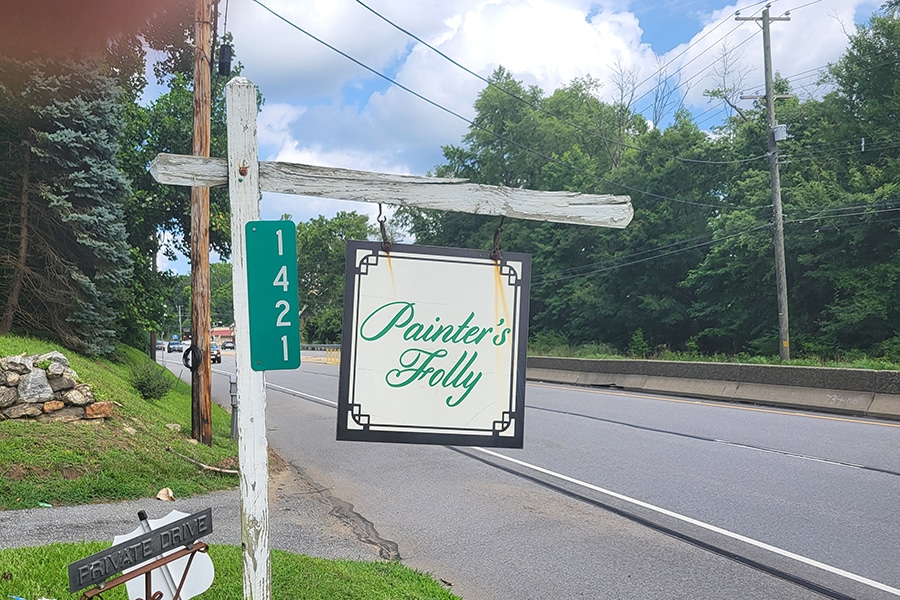
Community members are urged to attend in person or via Zoom to help shape the fate of this Brandywine Valley treasureChadds Ford Township will host a special Painter’s Folly Public Meeting on Wednesday, July 16, 2025, inviting residents, historians, and preservation advocates to weigh in on the future of one of Pennsylvania’s most historically and artistically significant properties.
The meeting—hosted by the Chadds Ford Township Board of Supervisors and the Open Space Committee—will begin at 6:00 PM at the Chadds Ford Township Building, 10 Ring Road, Chadds Ford, PA 19317, with a Zoom option for virtual attendance:
???? https://us02web.zoom.us/j/85605970215An Open Space Committee Meeting will immediately follow.
The Legacy of Painter’s Folly
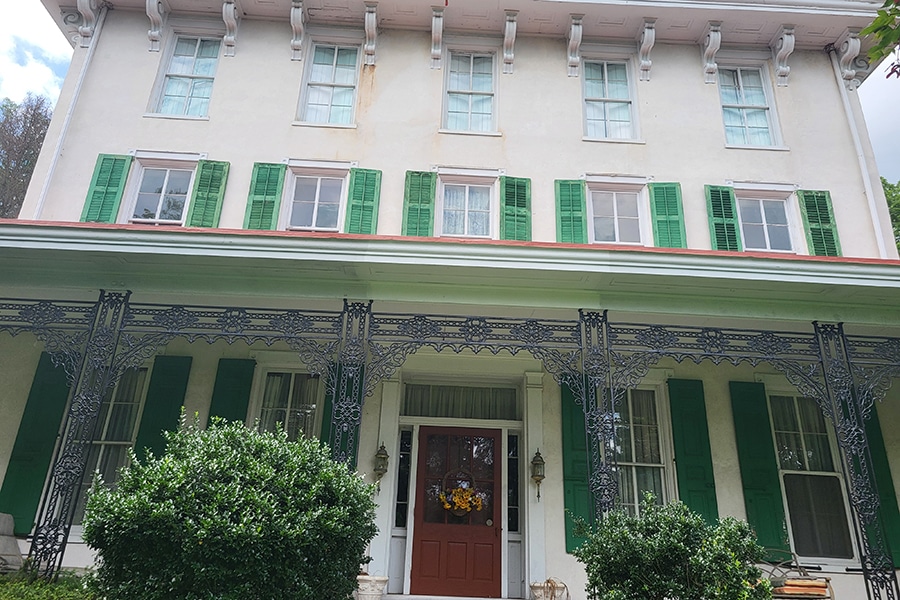
Constructed in 1856 by wealthy farmer Samuel Painter, Painter’s Folly was a bold and ornate Italianate structure inspired by his travels in Europe. Neighbors mocked its grandeur, giving it the nickname that stuck. The three-story, 6,970-square-foot home sits on four acres, bordering the historic Brandywine Battlefield, which adds further significance to its location.
The home’s cultural legacy deepened when Howard Pyle, one of America’s most celebrated illustrators, rented it as a summer retreat. Pyle hosted fellow members of the Brandywine School, mentoring artists such as N.C. Wyeth, whose son, Andrew Wyeth, later immortalized the property in paintings such as Painter’s Folly (1989) and Widow’s Walk (1990).
Today, Painter’s Folly is listed on the National Register of Historic Places, and its connection to the Regional American art movement is considered a cultural cornerstone in the Brandywine Valley.
Preservation at a Crossroads
Originally purchased by Chadds Ford Township in 1999, the property was acquired again in 2019, when it was formally purchased from longtime owners Helen and George Sipala. The Sipalas lived at Painter’s Folly for 45 years and had been stewards of the home’s artistic and architectural legacy. Helen Sipala currently resides in a cottage adjacent to the main house, rented from the township, and served as the property’s official caretaker until asked by the township to return the keys in October 2024.
The stated goal of the township purchase was preservation. However, in the years since, concerns have grown among residents and preservationists about the building’s future. The upcoming July 16 meeting follows a previous public discussion held on August 24, 2024, where calls for a transparent path forward were raised.
What’s at Stake
The upcoming meeting invites the public to provide input on current options for Painter’s Folly, including restoration, stewardship models, potential partnerships, and long-term sustainability planning. With its rich blend of architectural charm, proximity to the Revolutionary War, and artistic heritage, the property stands as one of the few remaining links to a bygone era.
Several local organizations, including historic preservation groups, artists, and community leaders, are expected to speak or submit proposals. Township officials are also expected to present updates and listen to suggestions regarding preservation and public access.
Join the Conversation
The July 16 meeting is a pivotal moment for the future of Painter’s Folly. Anyone passionate about art history, heritage preservation, or the unique character of Chadds Ford is encouraged to participate, whether to ask questions, offer support, or share ideas for the building’s next chapter.
???? In-Person:
Chadds Ford Township Building
10 Ring Road, Chadds Ford, PA 19317
Date/Time: Wednesday, July 16, 2025 – 6:00 PM ET???? Zoom Link:
https://us02web.zoom.us/j/85605970215
???? Background Materials:
-
Juneteenth History, Meaning, and Celebration of Freedom
????❤️???? What Is Juneteenth? The History, Meaning, and Celebration of Freedom
Juneteenth, observed every year on June 19, marks one of the most profound turning points in American history—the day in 1865 when over 250,000 enslaved Black Americans in Galveston, Texas were finally told they were free.
This wasn’t the day slavery ended in the U.S.—it was the day freedom finally found its voice in Texas, more than two years after President Abraham Lincoln had signed the Emancipation Proclamation.
For generations, Juneteenth has been called the “Second Independence Day”—and for good reason. It is a day of truth, triumph, and transition. A moment to recognize both the cruelty of delayed justice and the strength of those who endured it. It honors Black liberation, celebrates cultural resilience, and reminds all Americans that freedom must be proclaimed, protected, and pursued.
???? “Justice too long delayed is justice denied.”
—Dr. Martin Luther King Jr.???? The Origins: What Happened on June 19, 1865?
On that day, Union General Gordon Granger arrived in Galveston and issued General Order No. 3, which stated:
“The people of Texas are informed that, in accordance with a proclamation from the Executive of the United States, all slaves are free.”
While Abraham Lincoln had signed the Emancipation Proclamation on January 1, 1863, enforcement was spotty, especially in Confederate states that Union forces had not yet overtaken. Texas, geographically isolated and still under Confederate control, became a final holdout.
Granger’s announcement effectively brought emancipation to over 250,000 enslaved Black Americans in Texas.
????️ Why Did It Take So Long?
It wasn’t just a matter of travel delays.
The Emancipation Proclamation only applied to Confederate states, and only where Union forces had control.
Texas was the westernmost Confederate state, with minimal Union military presence.
Slaveholders in Texas actively withheld information and relocated enslaved people to Texas to avoid enforcement.
Granger’s arrival in Galveston was backed by 2,000 Union troops, making the announcement stick.
???? The First Juneteenth Celebrations
By June 19, 1866, African Americans in Texas began celebrating the anniversary of their freedom with:
???? Parades, picnics, and barbecues
???? Dressing in their best clothes (sometimes for the first time)
????️ Readings of the Emancipation Proclamation
⛪ Church services and community prayer
These celebrations were called “Jubilee Day” before the term “Juneteenth” (a blend of June and nineteenth) gained popularity.
???? What Juneteenth Means Today
Juneteenth has evolved from a regional celebration to a nationwide recognition of:
Black history and resilience
The delayed promise of freedom
Ongoing struggles for racial justice
It’s a day to reflect on slavery’s legacy and to honor Black culture and joy in every form—music, storytelling, food, dance, and family reunions.
???? Federal Holiday Status
For over a century, Juneteenth was celebrated mostly in Black communities and states like Texas, Louisiana, and Oklahoma.
That changed in a big way:
Texas made Juneteenth a state holiday in 1980.
In 2021, President Joe Biden signed legislation officially making Juneteenth National Independence Day a federal holiday—the first new federal holiday since Martin Luther King Jr. Day in 1983.
???? What Does General Order No. 3 Actually Say?
Here’s a key excerpt from Granger’s proclamation:
“This involves an absolute equality of personal rights and rights of property between former masters and slaves…”
While well-intentioned, that “absolute equality” remained an ideal, not a reality. After Juneteenth came Black Codes, Jim Crow laws, lynchings, and generations of systemic racism.
Juneteenth is not just a celebration—it reminds us how far we’ve come and have to go.
???? Cultural Traditions and Symbolism
Red foods—like red velvet cake, hibiscus punch, and strawberry soda—are a Juneteenth tradition. Red symbolizes bloodshed, resilience, and strength throughout the African diaspora.
Other traditions include:
Readings of Black literature
Drumming circles and dance
Wearing Pan-African colors (red, black, and green)
????️ Juneteenth in Delaware
While Delaware remained in the Union during the Civil War, it was a border state that did not end slavery until the 13th Amendment passed in December 1865. In fact, Delaware voted to reject the 13th Amendment at first, only symbolically ratifying it a century later, in 1901.
That makes Juneteenth especially relevant in Delaware, where the truth about emancipation came late and slow.
Today, cities like Wilmington, Dover, and Newark hold Juneteenth parades, community festivals, and public lectures. Organizations like the Delaware Juneteenth Association host yearly celebrations and educational events.
✨ 13 Powerful Juneteenth Trivia Facts
Juneteenth was celebrated before the 13th Amendment passed.
Enslaved people in Texas were declared free on June 19, 1865—but slavery wasn’t officially abolished nationwide until December 6, 1865.The name “Juneteenth” is a blend of “June” and “nineteenth.”
It’s a uniquely American portmanteau that first appeared in print in the 1890s.General Order No. 3 emphasized “absolute equality”—but reality fell short.
The order stated that freedpeople had “equal rights,” but most were forced into sharecropping, and faced Black Codes, violence, and voter suppression within months.Delaware did not ratify the 13th Amendment until 1901.
Although slavery ended legally in 1865, Delaware rejected the amendment at the time—and only approved it symbolically 36 years later.Juneteenth wasn’t widely taught in schools until the 21st century.
Many Americans didn’t learn about it until the Black Lives Matter protests of 2020 reignited national awareness.Texas made Juneteenth a state holiday in 1980—the first to do so.
Credit goes to State Rep. Al Edwards, a longtime advocate who pushed legislation through after years of community celebration.Red is the color of Juneteenth.
Red foods like strawberry soda and red velvet cake are linked to African traditions of honoring sacrifice and perseverance.The official Juneteenth flag was created in 1997.
Designed by Ben Haith, it features a bursting star over Texas to symbolize new freedom radiating outward.Robert E. Lee surrendered in April 1865, but word traveled slowly.
Without internet or radio, communication in Confederate strongholds like Texas relied on word of mouth, newspapers, and Union troops.The Emancipation Proclamation didn’t free slaves in Union-loyal states.
Delaware, Kentucky, Maryland, and Missouri were exempt—freedom there required later legal action.Some formerly enslaved people left Texas immediately after Juneteenth.
They migrated to reunite with family or escape former masters—some walked hundreds of miles on foot.Juneteenth is now observed in all 50 states.
Though it became a federal holiday in 2021, state-level recognition took decades of activism.Juneteenth celebrations were once banned.
During Jim Crow, many cities restricted large Black gatherings. Churches and private landowners stepped in to preserve the tradition.
???? Glossary of Terms
Emancipation Proclamation: Executive order by Abraham Lincoln freeing slaves in Confederate territories.
General Order No. 3: The announcement that brought emancipation to enslaved people in Texas.
Jubilee Day: An Early name for Juneteenth.
Pan-African Colors: Red, black, and green symbolize African unity and pride.
-
(Canadian) Geese in Delaware
Geese in Delaware: Local Honkers and Hangouts
Delaware is more than tax-free shopping and scrapple—it’s also home to thousands of geese, especially the well-known Canada goose, a familiar sight in neighborhoods, parks, and farm fields across the state. Depending on the season, these large waterfowl have made Delaware part of their year-round or migratory home.
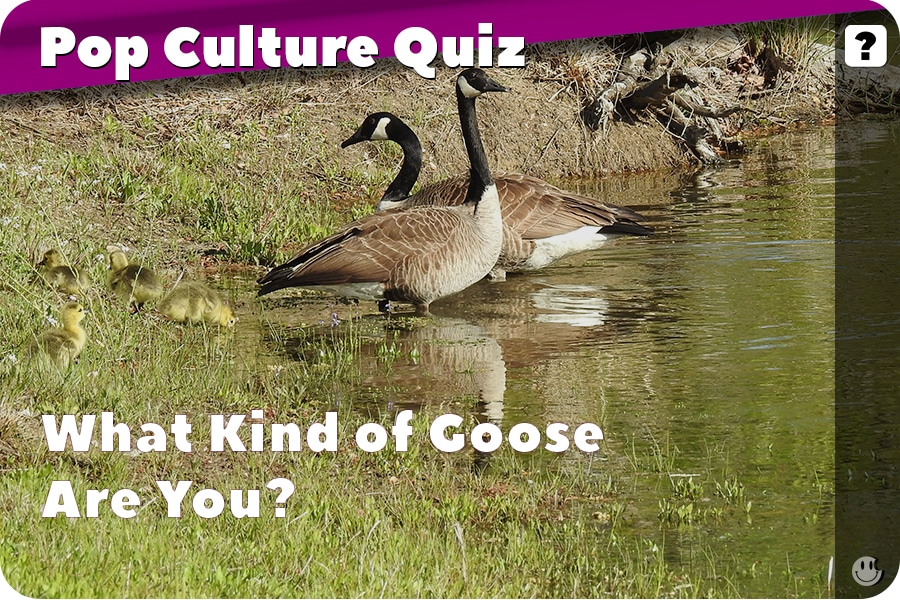
(PCM’s What Kind Of Goose Are You? Quiz)
Goose Behavior and Biology: Summary
Geese are intelligent, highly social birds known for their loyalty, advanced communication skills, and excellent vision. They form strong family bonds, often mating for life, and can identify individuals in their flocks, including distinguishing siblings from an early age.
Their vision is awe-inspiring—geese can detect ultraviolet light and see greater detail at long distances than humans. They also exhibit unihemispheric slow-wave sleep, allowing them to stay alert to predators with one eye open.
Geese use their sensitive bills, which are rich in touch receptors, to forage and develop food preferences early in life. From the moment they hatch—and even before—goslings begin communicating with their parents and reacting to environmental cues like plant smells.
In flight, geese use energy-saving V-formations, taking turns leading and using environmental cues and the Earth’s magnetic field for migration. Their protective instincts extend to mourning lost mates or eggs, and due to their heightened awareness, they’ve even been used for guard duty.
???? Where Do Geese Live in Delaware?
Geese aren’t too picky. In Delaware, you’ll find them:
In suburban communities like Newark, Middletown, and Dover, people often waddle across golf courses or stroll near stormwater retention ponds.
Around shopping centers and office parks, especially those with decorative ponds (which geese take as an open invitation).
At state parks like:
Lums Pond State Park – A favorite for both boating and birdwatching.
Trap Pond State Park – Offers prime nesting areas in its swampy cypress habitat.
Killens Pond State Park – Another hotspot for seasonal goose activity.
Bombay Hook National Wildlife Refuge – One of the East Coast’s top destinations for migratory birds, including thousands of geese in fall and winter.
???? https://www.fws.gov/refuge/bombay-hook
Geese especially love open grassy areas near water, which are plentiful across Delaware’s low-lying landscape.
???? When Do Geese Migrate Through Delaware?
Delaware is a significant stop on the Atlantic Flyway, a key migration route for geese traveling between Canada and the southern U.S. While some geese remain in Delaware year-round, fall (October–December) and spring (February–April) bring noticeable spikes in the population as massive flocks pass through.
Resident geese can be spotted any time of year.
Migratory flocks arrive larger during the colder months and return north by early spring.
???? Geese in the Neighborhood
Some Delawareans have a love-hate relationship with these birds. While they’re charming to watch, geese can:
Leave droppings on sidewalks and lawns
Hiss or act territorially during nesting season (usually late March to May)
Occasionally block traffic while crossing roads in their famous single-file parade
However, they’re protected under the Migratory Bird Treaty Act, so it’s illegal to harm or harass them without a federal permit. That said, many towns use humane deterrents—like coyote decoys or trained dogs—to keep flocks moving along peacefully.
???? Why Geese Walk in a Straight Line:
Safety & Protection
The line formation allows goslings (the baby geese) to stay close to their parents, especially the mother in front and the father guarding the rear. This reduces the risk of predators sneaking up on stragglers.Energy Conservation
Just like their V-formation in flight, walking in a line helps reduce drag and makes it easier for the goslings to follow without wasting extra energy.Visual Imprinting & Learning
Goslings imprint on their parent(s) and follow them instinctively. A straight line is just the most direct and visible way to stay on course behind mom or dad. It’s also helpful when learning to forage or find water.Narrow Path Adaptation
It looks very organized on sidewalks, paths, or roads, but that’s not to impress humans—geese instinctively take the most direct route that fits the group. They will also walk this way on open fields or frozen lakes.
So, Is It an Adjustment for Humans?
Nope. But their path might get straighter when crossing roads or sidewalks because the terrain funnels them — think of it as instinct meets infrastructure.
So the next time you see a goose conga line crossing a parking lot like royalty, know: it’s ancient bird logic, not human influence.
???? Did You Know?
Delaware hosts part of the Mid-Atlantic Population of Canada geese, distinct from migratory giants from the Arctic. These local birds are Delaware-born and honk-raised—some right in the heart of Wilmington or Rehoboth Beach business parks.
Want to see thousands of geese at once? Head to Bombay Hook NWR or Prime Hook National Wildlife Refuge during peak migration. Bring binoculars, and maybe some earplugs—the honking gets real.
???? Top 25 Goose Facts (With Verified Accuracy)
Geese can see ultraviolet (UV) light, which helps them detect patterns and predators invisible to human eyes.
???? Cornell Lab of OrnithologyThey can sleep with one eye open, using only half of their brain at a time—a survival adaptation.
???? National Institutes of HealthGeese can control each eye independently, giving them nearly 360° vision.
They communicate with their parents while still in the egg, a behavior called “embryonic vocalization.”
???? Audubon SocietyGoslings imprint on the first moving thing they see, a human or even an object.
???? BBC EarthThey can recognize individual flock members by appearance and voice.
Geese show empathy, with increased heart rates when a partner is in conflict.
???? Scientific AmericanTheir bills contain touch-sensitive structures, similar to fingertips, used for food exploration.
Young geese react to plant odors, showing early food preferences based on smell.
Geese can follow the gaze of others, indicating social awareness and shared attention.
Mated geese are monogamous, often forming lifelong bonds.
They express mourning behaviors when they lose a mate or offspring.
In flight, they use a V-formation for aerodynamic efficiency, up to 71% energy savings.
???? USGSGeese take turns leading during migration to reduce fatigue among the group.
They use landmarks, the sun, and magnetic fields to navigate, demonstrating complex spatial memory.
???? National GeographicGeese have a long lifespan, sometimes exceeding 20 years in the wild.
???? Canadian Wildlife FederationThey’re excellent swimmers, with goslings able to dive underwater within 24 hours of hatching.
Their nests get “home improvements” with twigs, bark, and leaves added throughout the season.
Geese are fiercely protective, hissing and charging when threatened.
Groups have distinct names: a gaggle on land or water, and a skein in flight.
Male geese are called ganders, while females are simply geese.
They are omnivores, consuming grass, seeds, berries, and small insects.
Geese can be trained as guards, once used in Brazil’s prisons and by Roman armies.
???? Smithsonian MagazineThey get along well with other animals, primarily when raised around them.
Geese are among the largest waterfowl, second only to swans in size.