web analytics

Category: News

  • Blake Lively vs Justin Baldoni PR War

    Blake Lively vs Justin Baldoni PR War

    The Blake Lively and Justin Baldoni PR War

    Blake Lively and Justin Baldoni have found themselves embroiled in a controversy surrounding allegations of workplace harassment tied to their upcoming film It Ends with Us, an adaptation of Colleen Hoover’s bestselling novel. The allegations, raised by individuals involved in the production, claim an environment of inappropriate behavior that has sparked widespread attention. Amid the unfolding drama, Lively and Baldoni’s PR teams have mounted swift and strategic responses to safeguard their reputations.

    Lively’s representatives have emphasized her unwavering commitment to women’s rights and safe workplaces, leveraging her history of advocacy to portray her as an ally for accountability and change. Statements from her team reiterated her dedication to fostering equality, highlighting her previous initiatives to create safer spaces for women in various industries. This narrative reframed her involvement, positioning her as a force for positive change rather than a figure implicated in the controversy.

    Baldoni’s dual role as a producer and actor on the project has placed him under scrutiny, so the PR strategy has leaned heavily on his track record of promoting healthy masculinity and inclusivity. His team pointed to his past efforts, including his acclaimed TED Talk and work on dismantling toxic gender norms, as evidence of his commitment to fostering respectful and inclusive environments. By emphasizing these accomplishments, Baldoni’s representatives sought to reinforce his brand as a champion of progressive values.

    The controversy gained further complexity when Amber Heard, herself no stranger to public scandals following her high-profile legal battle with ex-husband Johnny Depp, weighed in on the situation. Heard’s comments highlighted women’s pervasive challenges in the entertainment industry, drawing parallels to her own experiences of being scrutinized in the public eye. She called for accountability and systemic change, emphasizing the importance of due process and thorough investigations. Heard’s involvement brought additional media attention to the It Ends with Us controversy, further amplifying the stakes for everyone involved.

    The film’s production team and other cast members have also been drawn into the discussion, amplifying the stakes for everyone involved. Both stars’ PR teams have worked diligently to control the narrative while internal investigations are reportedly underway, highlighting the role of skilled crisis management in shaping public perception during such high-profile incidents.

    Blake Lively’s handling of the recent controversy surrounding It Ends with Us showcases a masterclass in PR strategy. As reports surfaced of her legal action in response to allegations and her co-star Justin Baldoni facing professional repercussions, Lively’s team has emphasized her proactive stance on workplace safety and women’s advocacy. This calculated approach deflects negative attention and positions her as a champion of accountability. According to The Hollywood Reporter, her decisive legal actions and public relations strategy are shifting the narrative, allowing her to potentially emerge victorious in the court of public opinion.

    How Crisis PR and Reputation Management Shape Public Perception

    When news about public figures or brands surfaces, skilled public relations (PR) teams often carefully curate the stories we read. The recent article from Variety discussing Blake Lively and Justin Baldoni underscores the intricate ways PR firms navigate scandals and challenges, showing both the effectiveness and subtlety of these strategies.

    The Anatomy of Crisis PR

    Effective crisis PR operates on two fronts: proactive preparation and reactive response. Proactive strategies involve anticipating potential reputational risks, crafting contingency plans, and establishing a strong public image long before any issue arises. Reactive responses kick in when unforeseen crises emerge, requiring swift, calculated action to mitigate damage.

    The Variety article’s harassment accusations illustrate how PR teams advise clients to issue statements that address public concerns while carefully avoiding legal pitfalls. Framing the story first—before media outlets or social platforms amplify damaging narratives—is a core tactic. By taking control early, PR teams ensure the story is told on their terms.

    Example: When companies face product recalls, the speed and tone of their response—an apology, an explanation, or an offer of reparations—can shape how consumers perceive the brand’s integrity.

    Tactics That Define Sneaky PR

    PR professionals have a toolkit of tactics to shape public perception, some of which are subtle—even sneaky:

    • Media Leak Control: Trusted journalists may receive exclusive, favorable information to divert attention from negative press.

    • Selective Transparency involves sharing enough details to appear genuine without disclosing everything. This was evident in the Variety story, where the framing of statements was carefully tailored to resonate with the audience while avoiding inflammatory language.

    • Reframing the Narrative: A PR strategy might sometimes involve pivoting the conversation entirely. For instance, highlighting unrelated charitable work or projects can shift attention away from a controversy.

    Historically, examples like Tiger Woods’ scandal recovery or the BP oil spill demonstrate how PR teams can redirect public attention with varying degrees of success.

    Reputation Management in the Digital Era

    In today’s world, where digital impressions often outweigh traditional media coverage, reputation management heavily relies on SEO and online monitoring. SEO techniques have become indispensable for burying unfavorable press and boosting positive narratives.

    1. SEO for Crisis Control:

      • Create blog posts and articles highlighting positive achievements or initiatives.

      • Optimize keywords related to the brand to ensure search engines prioritize favorable content over negative stories.

      • Use link-building strategies to amplify positive mentions from high-authority domains.

    2. Social Media Management:

      • PR teams carefully craft viral posts or responses that appear authentic and relatable.

      • Influencers and brand ambassadors may be enlisted to defend or praise the client subtly.

    When scandals like those involving Lively or Baldoni emerge, PR professionals often shift their focus online to ensure the top search results paint a favorable picture. Public perception, after all, is often shaped by the first page of Google results.

    The Ethics of Crisis Management

    The line between effective PR and manipulation can be thin. At its best, crisis PR helps rebuild trust and clarify misunderstandings. At its worst, it can deceive the public by obfuscating facts or shifting blame.

    In cases involving harassment, such as the Variety example, ethical concerns come to the forefront. Statements crafted by PR teams must address the seriousness of allegations without trivializing them, all while protecting the client’s legal interests. In an era of cancel culture, the public increasingly demands transparency—but PR firms must balance this with the client’s reputation and livelihood.

    How Companies and Individuals Can Protect Their Reputations

    Crisis PR isn’t just for celebrities and big brands. Businesses and individuals can adopt strategies to safeguard their reputations:

    1. Build Trust in Advance:

      • Regularly share positive news, testimonials, and success stories.

      • Cultivate goodwill through community engagement and philanthropy.

    2. Monitor and Adapt:

      • Use tools like Google Alerts and social listening platforms to identify potential threats early.

      • Analyze sentiment in real-time to tailor responses accordingly.

    3. SEO for Damage Control:

      • Post detailed press releases optimized for search engines.

      • Ensure positive content is consistently updated to remain competitive in search rankings.

    4. Plan Ahead:

      • Develop a crisis response team and strategy before issues arise.

      • Conduct regular risk assessments to identify vulnerabilities.

    PR and reputation management, particularly in high-stakes scenarios, combine psychology, strategy, and technology to shape how the public perceives events and individuals. Whether crafting statements for celebrities or optimizing a company’s online presence, PR professionals play a pivotal role in managing crises effectively. Understanding these strategies offers valuable insight into the narratives shaping our news and social feeds.
  • How Strong Is My 4-Digit Pin?

    How Strong Is My 4-Digit Pin?

    The Importance of PIN Security: Is Your 4-Digit Code Safe?

    4-Digit PIN Strength Checker

    *We do not share or keep this information*

    Your 4-digit PIN might be the only thing between your data and cybercriminals. Yet, too many people choose weak, predictable PINs that are easy to guess. If you’re using something like “1234” or “0000,” you might as well be handing over your phone or bank account to a hacker. Let’s break down why PIN security matters and how you can ensure yours is strong enough to withstand brute-force attacks.

    Most people don’t realize that hackers don’t randomly guess PINs—they use well-known lists of commonly used codes. Studies have shown that nearly 10% of all PINs are either “1234” or “0000,” making them straightforward targets. Cybercriminals use algorithms that can run through the top 100 most common PINs in seconds, giving them access to everything from your smartphone to your bank account. This is why using a unique and unpredictable PIN is essential for protecting your personal information.

    Beyond just standard numbers, hackers exploit patterns and psychology when trying to crack PINs. Many people base their codes on significant dates, such as birthdays or anniversaries, making them easier to guess. Others use mirrored or sequential numbers, assuming they’re clever or hard to crack—when, in reality, they’re some of the first numbers tested in brute-force attacks. If your PIN follows an obvious pattern, it’s time to rethink your security and opt for something random and difficult to predict.

    How to Test Your PIN Security

    Want to know if your PIN is safe? Try our PIN Security Checker. This free tool instantly evaluates your PIN’s strength and assigns it a security grade (A–F).

    No data is stored – your privacy is our priority.

    Instant results – see your PIN’s rating in real-time.

    Encourages stronger security – adjust your PIN until you get an “A” rating!

    Why Are Some PINs Weaker Than Others?

    Hackers don’t guess PINs at random—they follow patterns. Weak PINs tend to fall into a few categories:

    1. Common Sequences – “1234,” “4321,” and “5678” are some of the worst choices.
    2. Repeated Digits – PINs like “1111” or “7777” are easily guessed.
    3. Birthdays & Dates – If your PIN is “1990” or “0714” (July 14th), it’s at risk.
    4. Keypad Patterns – Numbers that form straight lines on a keypad (like “2580”) are common and weak.
    5. Mirrored Numbers – Codes like “1221” or “3663” might seem clever but are frequently used.
    6. Bank Default PINs – Some PINs (e.g., “5683,” which spells “LOVE” on a keypad) are default options.

    What Makes a Strong PIN?

    A secure PIN is random and unpredictable. Here are some best practices:

    Avoid obvious numbers – Skip birthdays, anniversaries, and repeated digits.

    Use a truly random combination – Something like “8063” or “4927” is much harder to guess.

    Change it periodically – If a service allows PIN updates, switch it up every few months.

    Don’t reuse PINs – Never use the same PIN for multiple accounts.

    Secure Your Accounts Today

    Weak PINs are one of the easiest ways hackers can break into your accounts. Please take a moment to check your PIN now and upgrade your security before it’s too late.

    ???? Test Your PIN Now: Use our PIN Security Checker to ensure you use a safe, hacker-proof code!

    Frequently Asked Questions (FAQ)

    Why is PIN security important?

    A weak PIN can be easily guessed by hackers using brute-force methods, leading to unauthorized access to your accounts. Using a strong, random PIN significantly reduces this risk.

    What are the most common weak PINs?

    The weakest PINs include “1234,” “0000,” “1111,” “5678,” and any birth years (e.g., “1990”). These are commonly used and frequently targeted in cyber attacks.

    How can I check if my PIN is strong?

    Use our PIN Security Checker to evaluate the strength of your 4-digit PIN instantly. The tool assigns a security grade (A-F) and provides recommendations for improvement, and we do not store or share the data.

    Is it safe to enter my PIN into this tool?

    Yes! We do not store or track any PIN data. The tool evaluates the entered PIN in real-time and provides a security rating.

    What’s the best way to create a secure PIN?

    Avoid common patterns, repeated numbers, and birth dates. Use a randomized PIN that does not follow an obvious sequence, such as “8063” or “4927.”

    Should I change my PIN regularly?

    Yes! If a service allows PIN changes, updating it periodically adds an extra layer of security against potential leaks or breaches.

    Can I use the same PIN for multiple accounts?

    No. Using the same PIN across different accounts increases your risk—if one account is compromised, hackers can attempt to reuse it elsewhere.

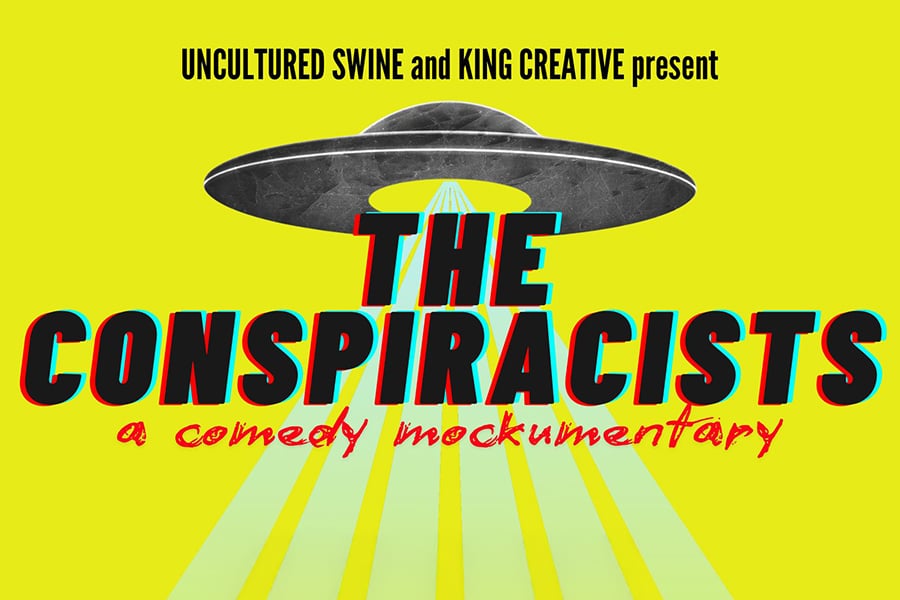
  • Mockumentary Film The Conspiracists Premieres January 8

    Mockumentary Film The Conspiracists Premieres January 8

    Delaware Production The Conspiracists Premieres January 8

    The world premiere screening of the film kicks off at 8 p.m. on Thursday, January 8, 2026 at the Grand Opera House, located at 818 N. Market Street in Wilmington, DE, followed by Q&A with filmmakers and cast.

    This will be a full Hollywood-style premiere, with the Big Spotlights, a Red Carpet photo opportunity, and a Q&A session after the film.

    The Red Carpet Experience and Pre-Screening VIP Reception begins at 6 p.m.
    To purchase tickets, please visit The Grand.
    If you can’t make the premiere, watch for it on January 9 on Amazon Prime and Verizon Fios!

    Directed by Michael Perrie Jr. and produced by Uncultured Swine and Delaware-based King Creative, the comedy mockumentary follows a pair of siblings (played by Terrie Lynne and Christopher Murray) as they attempt to organize the world’s first-ever all-inclusive conspiracy convention, ConCon.

    However, when Daisy and Eric Sureloc’s dreams of building the conspiracy convention begin to shatter, it’s up to one of them to put the pieces back together. At the same time, the other strives to uncover a bigger conspiracy at play.

    How did this ultra-low-budget indie film, shot in only 11 days and made for a fraction of a typical production budget, come to fruition… and in Delaware of all places? “It started with a hilarious script, years-long friendships that turned into creative partnerships, the desire to bring a unique story to life, and an ambitious timeline along with a giant leap of faith,” explained executive producers Beatriz Naranjo and Delaware native Edward Layfield, founders of the NYC-based production hub Uncultured Swine. The Conspiracists mark their feature film debut as producers, although they’ve previously produced other smaller-scale projects, including TV pilots and short films.

    The original script was written by their talented close friends, husband-and-wife duo Michael Perrie Jr. and Lacy Reily. “As we wander into another time of emotional, political, and social insecurity, conspiracy runs rampant with every new post online,” said Perrie Jr. “You’ll find hours of conspiracy theories ripe for the picking. But there is one simple, beautiful thread tying it all together – people just want to be part of a community. We wanted to write something that makes people think a little, laugh a lot, and come together.”

    Naranjo and Layfield also partnered with Christopher Robert Bruce, the visionary behind Wilmington-based King Creative, bringing Bruce on as executive producer. The film’s entire production operation was based out of King Creative’s studio at 727 N. Market Street. “I understood their vision and realized this was a huge opportunity, and it meant so much to me to bring a film production on this level to my home state,” said Bruce.

    “12 of the film’s 13 locations were shot in the state of Delaware, and Chris was pivotal in providing the right connections and partnerships needed to make this happen,” said Naranjo. “From small business connections to location scouting and access to in-house production services and casting, Christopher was an incredibly vital asset that made the entire production seamless.”

    Most of the cast and production crew have Delaware ties, including lead actress Terrie Lynne, a Broadway star who plays the protagonist, Daisy. Delawareans will see notable local landmarks in the film, including the Hotel du Pont and the Grand Opera House, as well as small businesses like the Siegel JCC, Precious Paws, Delaware Tire Center and Captain Blue Hen Comics.While most feature films cost millions of dollars to produce, The Conspiracists is a SAG Ultra Low Budget (ULB) production with an ambitious eleven-consecutive-day shooting schedule and a $250,000 budget. They managed to make the numbers work thanks to a tax incentive by the Delaware Television & Motion Picture Commission, creative crowdfunding through a nonprofit platform, a few private investors, leveraging local relationships and equity kicked in by the producers.

    Given the nature of independent filmmaking, Layfield said they were able to cut costs by having everyone on the crew play multiple roles (including hilarious cameos throughout the film). Naranjo is also credited as Production and Wardrobe Designer (overseeing approximately 76 wardrobe needs and multiple set dressing components); Layfield handled hospitality, transportation and catering; producer Maren Lavelle served as the Assistant Director and the Certified Animal Trainer on set; Perrie Jr. stepped in as “The Documentarian” himself; and Christopher Bruce served as the central Location Scout point of contact, Key Grip during filming, Post Production Supervisor, as well as composing an original song for the film with Grammy Nominated Platinum Producer, Herb Middleton and Celebrated Vocalist, Jacci McGhee. The track, “Ooo Wee, /The Truth Will Set You Free”, is the driver for both the opening Title Sequence and End Credits.

    “What we accomplished in 11 days was truly a miracle,” exclaimed Bruce. “But it was also the result of incredible preparation, tenacious work ethic, and a deep desire to make this little movie a love letter to the State of Delaware!

    *Full disclosure: Pop Culture Madness helped in the production of the film.

  • Fun On Purpose Podcast by the fun dept.

    Fun On Purpose Podcast by the fun dept.


    Fun On Purpose Podcast

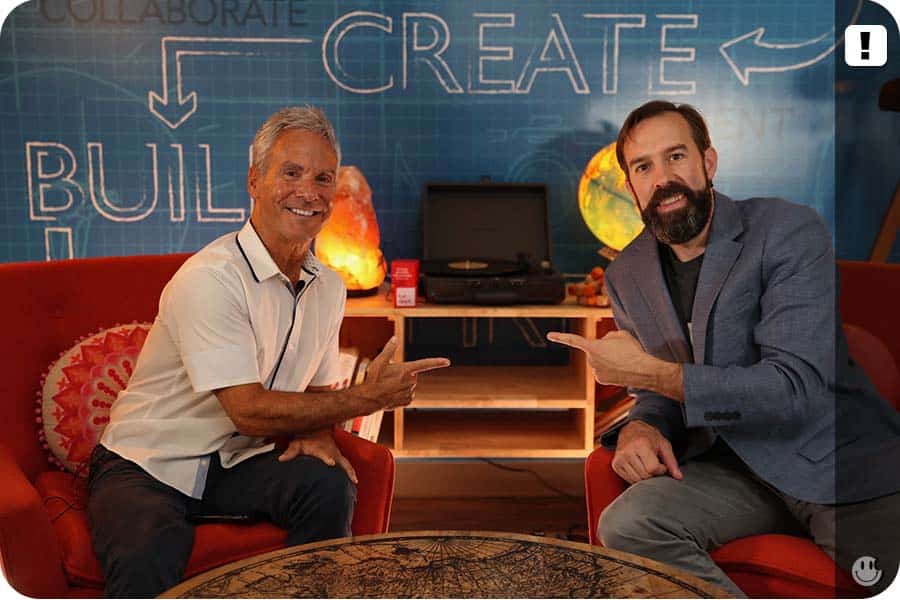
    Hosts Christopher Bruce and Nick Gianoulis, Godfather of Fun, lead thoughtful conversations with industry experts and thought leaders, helping us all become happier, healthier, and more connected.

    Welcome to the fun dept. podcast, where workplace culture meets innovation, and fun becomes the driving force behind engagement, training, and development. Whether you’re a leader, manager, or team member, this podcast is your go-to resource for learning how to create a work environment where people are empowered, connected, and motivated to thrive.

    Each episode dives deep into proven strategies, expert insights, and real-world success stories that show how fun can transform how we work and how we grow as teams and individuals. From actionable tips on building stronger communication to creative ways to keep training exciting, we’re here to help you spark energy and inspiration in your workplace.

    Get ready to explore how engagement doesn’t have to be complicated—and why making development enjoyable is the secret to a happier, more productive team. Tune in and discover how to turn fun into a powerful tool for growth. Subscribe now and start your journey toward a workplace that’s not just functional but truly exceptional!

    #FunOnPurpose #EmployeeEngagement #TrainingAndDevelopment #WorkplaceCulture

    Fun is a choice…so let’s have FUN ON PURPOSE!

    The Fun on Purpose Podcast, powered by the fun dept. explores the many facets of Fun, how to quantify it, and the countless ways listeners can use it to improve their quality of work and life. Nick and Chris engage in energetic discussion in each segment as they explore how their guests use fun, humor, play, and more in their lives and businesses.

    About the fun dept. and Nick Gianoulis

    Founded by Nick Gianoulis, the fun dept. is a leader in transforming workplace culture through the power of fun. With over 20 years of experience, Nick and his team have developed a proven methodology that uses fun as a strategic tool to enhance engagement, training, and development. Their interactive workshops and activities are designed to improve collaboration, communication, and employee satisfaction, fostering a happier, healthier, and more productive workplace. Nick’s passion for making work enjoyable has made him a sought-after speaker and expert on employee engagement and culture-building.

    About King Creative and Christopher Bruce

    Christopher Bruce, the creative force behind King Creative, brings a dynamic blend of innovation and storytelling to businesses and organizations. Specializing in video production, branding, and live event support, King Creative helps clients connect with their audiences in meaningful and memorable ways. Christopher’s commitment to collaboration and creativity ensures every project is visually stunning and strategically impactful. His ability to bring stories to life through multimedia makes King Creative a trusted partner for businesses looking to elevate their brand and engage their audiences.

    Together, the fun dept. and King Creative represents the perfect partnership of fun and creativity, helping companies enhance their cultures and tell their stories in impactful ways.

  • Mischief Night in Delaware (Cabbage Night, Hell Night)

    Mischief Night in Delaware (Cabbage Night, Hell Night)

    Mischief Night in Delaware: The Night Before Halloween Gets Weird

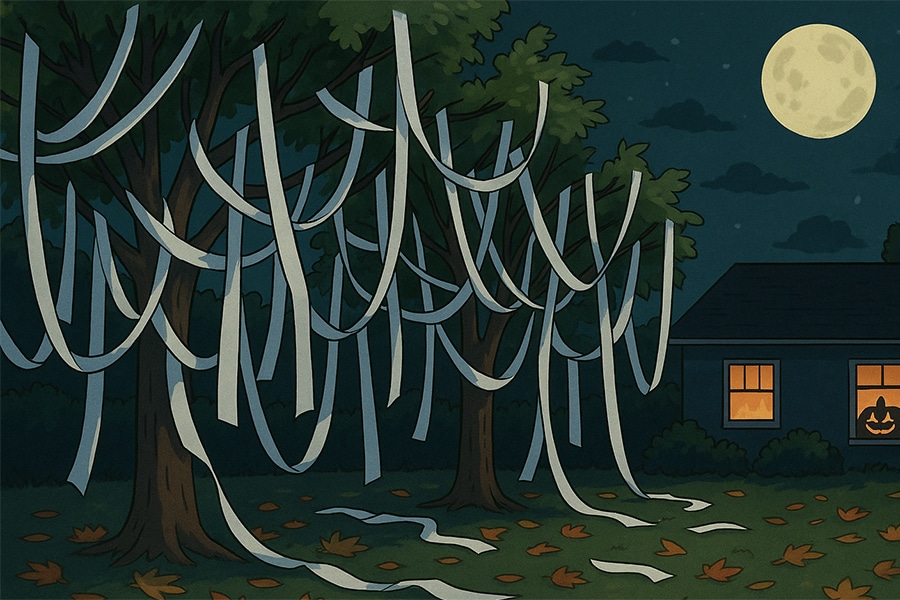
    Before the candy, costumes, and porch lights of Halloween, Delaware has its own lesser-known holiday — Mischief Night. It’s the night before Halloween when some folks remember tossing rolls of toilet paper into trees, soaping up car windows, or playing lighthearted tricks on their neighbors.

    While the term Mischief Night might sound like something straight out of New Jersey, Delaware embraced the tradition too — especially in its northern half. Depending on where you grew up, you might have called it Mischief Night, Goosey Night, or maybe just “the night we weren’t supposed to get caught.”

    Delaware’s Mischief Night Traditions

    In New Castle County, Mischief Night has long been part of the local Halloween culture. Kids in Wilmington, Newark, and Claymont picked up the term from nearby Philadelphia and South Jersey, where the custom was already legendary. The typical Delaware Mischief Night included the classics — toilet paper in trees, eggs on sidewalks, and the occasional mailbox relocation (usually a friend’s, of course).

    Move a little south toward Kent County, and the name recognition fades. Residents there often remember Halloween Eve pranks but not the name “Mischief Night.” In Sussex County, the tradition almost disappears entirely, replaced by church “Harvest Festivals,” trunk-or-treats, or small-town parades.

    If you drew a line along the C&D Canal, it would practically mark the cultural divide. North of it, Mischief Night belonged to the Mid-Atlantic prank belt. South of it, Halloween Eve was just a calm night before the big candy rush.

    How Delaware Got Mischievous

    The roots of Mischief Night in Delaware trace back to the mid-20th century. As families moved from Philadelphia and South Jersey into the suburbs of Wilmington and Newark, they brought neighborhood traditions with them — including this one. Local newspapers from the 1950s and 1960s occasionally mentioned “Halloween Eve pranks” and warnings about vandalism, mirroring reports across the Delaware River.

    By the late 1970s and 1980s, Delaware police departments began issuing official Mischief Night advisories. The Wilmington News Journal reported in 1988 that officers were stepping up patrols to discourage property damage and fires, comparing the event to “New Jersey’s notorious Mischief Night.” One officer dryly noted, “If kids are throwing eggs, they better be scrambled at breakfast.”

    The mischief itself rarely went beyond pranks. While Detroit’s “Devil’s Night” became infamous for arson, Delaware’s version stayed lighthearted — more toilet paper than trouble. Parents might shake their heads, but it was mostly accepted as part of Halloween’s pre-game ritual.

    The Jersey Connection: Mischief Night’s Birthplace

    To understand Delaware’s version, you have to look across the Delaware River. New Jersey is the undisputed capital of Mischief Night, and the state can’t even agree on what to call it. A now-viral map from @StrangeMorris on Instagram highlights the state’s remarkable slang diversity:

    • ???? Mischief Night – The most common term used throughout Central and Southern New Jersey.

    • ???? Cabbage Night – Northern New Jersey and parts of New England, rooted in the old prank of throwing spoiled vegetables.

    • ???? Goosey Night – Found in Essex and Bergen counties; often involved egging cars or houses.

    • ???? Gate Night – Used in New York and North Jersey; kids once removed farm gates or moved them down the road.

    • ???? Hell Night – A rougher version in Detroit and parts of South Jersey, known for actual fires.

    • ???? Tic-Tac Night – From tossing dried corn at windows in rural areas.

    • ???? Wreck-Up Night – Self-explanatory and short-lived in a few central Jersey towns.

    That mix of names — part folklore, part geography — shows how deeply the night is tied to neighborhood culture. And Delaware, sitting just across the river, naturally absorbed some of that spirit.

    From Doorstep to Digital: Mischief Night Today

    In Delaware, Mischief Night isn’t what it used to be. Many neighborhoods now organize community Halloween events on October 30, turning what was once a night of pranks into family fun. Instead of sneaking out with eggs, kids gather for “Mischief Movie Nights” or themed park events showing Hocus Pocus and Ghostbusters.

    For older generations, though, the memory sticks. Ask someone who grew up around Wilmington or Newark in the 1980s, and they’ll likely have a Mischief Night story — sometimes involving shaving cream, sometimes involving detention.

    Modern Mischief Night has also gone digital. Social media pranks, spooky memes, and neighborhood watch groups now replace the physical antics. It’s the same mischievous spirit, just with Wi-Fi and fewer broken windows.

    Regional Fun Facts

    • The “Mid-Atlantic Prank Belt” runs from northern Delaware through Philadelphia into central New Jersey — the only region in the U.S. where “Mischief Night” is widely recognized by that name.

    • In Wilmington, police still issue gentle warnings on social media every October 30, reminding residents to “keep it fun and safe.”

    • Philadelphia, Delaware’s northern neighbor, historically referred to it as Mischief Night or Beggar’s Nigh,t depending on the neighborhood.

    • The phrase Mischief Night first appeared in print in Britain in 1790, associated with pre-Halloween mischief, but by the 1930s New Jersey and Pennsylvania had made it their own.

    • Sociologists from Rutgers University once described it as “a regional youth ritual passed along like oral tradition — one night of rule-bending before the order of Halloween.”

  • Delaware Uniform Health-Care Decisions Act (DUHCDA)

    Delaware Uniform Health-Care Decisions Act (DUHCDA)

    Delaware Uniform Health-Care Decisions Act (DUHCDA):

    What You Need to Know

    Delaware has adopted the Uniform Health-Care Decisions Act of 2023 (UHCDA 2023), replacing its nearly 30-year-old health-care directive law. This new framework, known locally as the Delaware Uniform Health-Care Decisions Act (DUHCDA), went into effect on September 30, 2025. It updates how residents can make advance health-care directives, appoint decision-makers, and ensure their wishes are honored if they cannot speak for themselves. Importantly, directives issued under the old law will remain valid.

    The DUHCDA modernizes Delaware’s approach to end-of-life and medical decision-making. It clarifies the powers of agents, streamlines the process of creating directives, adds provisions for mental health directives, and updates the criteria for who can act as a surrogate decision-maker if no one has been appointed. Healthcare institutions will also have greater authority to petition for guardianship when patients are unable to make decisions and lack a representative. The law strikes a balance between individual autonomy, family involvement, and practical needs in today’s healthcare system.

    Why Delaware Needed a New Law

    Delaware’s prior system was based on the 1993 Uniform Health-Care Decisions Act, enacted in 1996. While it served as the legal foundation for decades, medicine, technology, and family structures have undergone significant changes since then. Think about electronic records, non-traditional family arrangements, long-term care challenges, and mental health awareness — all of which require legal updates.

    By adopting the UHCDA 2023, Delaware joins other states in creating a consistent, modern standard for advanced health-care planning. The goal is to make it easier for people to express their wishes, empower trusted decision-makers, and reduce uncertainty for families and medical professionals.

    Key Features of the DUHCDA

    Advance Health-Care Directives

    An advance directive is a legal document where you can:

    • State your wishes about medical treatment (for example, life support or resuscitation).

    • Appoint an agent (also called a health-care power of attorney) to make decisions if you lose capacity.

    Under the new law, Delaware residents still have this ability — but with more flexibility and fewer hurdles, especially regarding how documents are created and recognized.

    Clearer Definitions

    The DUHCDA keeps familiar terms but sharpens them:

    • Capacity means being able to understand and communicate health-care choices.

    • Healthcare decision-making encompasses everything from choosing providers to accepting or refusing treatment.

    • A life-sustaining procedure refers to artificial measures that prolong life without offering realistic recovery prospects.

    • A surrogate is someone who can step in if no agent or guardian is available.

    These definitions reduce legal gray areas that sometimes cause disputes in hospitals.

    Mental Health Directives

    One of the most significant updates is the ability to create advanced mental health directives. These let individuals specify treatment preferences for mental health conditions, including a “Ulysses clause” — a binding instruction that can apply even if someone later objects during a mental health crisis. This gives patients more control and provides clarity for providers in challenging situations.

    Updated Surrogate Decision-Maker Rules

    If you don’t have a written directive or an appointed agent, someone still needs to speak for you. The DUHCDA revises Delaware’s surrogate hierarchy (the list of who gets priority). This helps reflect modern families and living situations, ensuring decision-making isn’t limited strictly to spouses or blood relatives.

    Limits and Powers of Agents

    The law strengthens safeguards by requiring express grants for certain agent powers, such as:

    • Admitting someone to a long-term care facility.

    • Accessing confidential medical records.

    • Making mental health treatment decisions.

    This ensures people know exactly what authority they are giving to their chosen agent.

    Institutional Guardianship

    Hospitals and long-term care facilities will have more apparent authority to petition courts for guardianship when a patient needs decisions made but lacks an agent or surrogate. This addresses a real-world problem: patients “stuck” in acute care with no decision-maker, even after their immediate needs have been met.

    What Stays the Same

    Not everything changes. Many protections remain from the old Delaware law:

    • Your old directive is still valid. If you already have one, you don’t need to redo it unless you want to add new powers or mental health instructions.

    • Providers must act in good faith. Doctors and nurses who follow valid directives or agent instructions are shielded from liability.

    • Conscience protections remain. Providers can still decline to follow instructions that conflict with their values or involve medically ineffective treatments.

    This continuity avoids confusion during the transition.

    Why This Matters to You

    If you live in Delaware, the DUHCDA gives you more tools to plan ahead:

    • Peace of mind: Your medical and mental health wishes can be recorded and respected.

    • Clarity for loved ones: Family won’t be left guessing about your preferences in critical moments.

    • Flexibility: The law accommodates electronic directives, modern relationships, and expanded decision-making powers.

    • Protection: Clearer rules reduce the risk of disputes among relatives or between families and providers.

    Even if you already have an advance directive, this is a good time to review it and consider updating language to match the new law.

    Timeline for Implementation

    • Until September 29, 2025, the old Delaware law (from 1996) still governed advance directives and healthcare decisions.

    • September 30, 2025: The DUHCDA officially took effect. All new directives will follow their rules, though old ones remain valid.

    This transition period provides individuals, attorneys, and healthcare institutions with time to prepare.

    Practical Next Steps for Delaware Residents

    1. Check your existing directive. If you have one, review it with a lawyer or health-care professional to ensure it still reflects your wishes.

    2. Consider adding mental health provisions. If mental health care is a concern, this is a major opportunity to add clear instructions.

    3. Talk with your agent or family. Ensure that the people who may be making decisions on your behalf understand your values and preferences.

    4. Stay tuned for updated forms. Hospitals, law firms, and the state are likely to publish new template documents closer to the 2025 effective date.

    The Bigger Picture

    The Delaware Uniform Health-Care Decisions Act is part of a broader trend: states modernizing laws to respect autonomy while adapting to today’s medical realities. By making directives easier to create and expanding them to cover mental health, Delaware is helping its residents face difficult health situations with dignity and control.

    References:

    • Delaware General Assembly – Senate Bill 309 (the enabling legislation)

      This is the bill text and legislative summary adopting UHCDA 2023 in Delaware, showing precisely what is being changed and how Delaware is implementing the uniform law.

      Link: Bill Detail — SB 309 Delaware General Assembly

    • Delaware Code Online — Title 16, Chapter 25 (Health-Care Decisions)

      This is the statutory basis for Delaware’s existing health-care decisions law (which gets superseded/amended by DUHCDA). It helps compare the old law and see which provisions are being replaced.

      Link: Chapter 25 – Health-Care Decisions Delaware Code Online

    • Justia Law — 16 Del. C. § 2507 (Surrogate decision-makers)

      This gives the current (pre-2025) default rules about who may act as a surrogate when someone hasn’t appointed an agent or lacks capacity. Because DUHCDA will revise the surrogate hierarchy, this is useful as a “before” reference.

      Link: 16 Del. C. § 2507 – Surrogates Justia Law

  • Mascot Hall of Fame 2025 Inductees

    Mascot Hall of Fame 2025 Inductees

    Mascots Take Center Stage: Inside the Mascot Hall of Fame and Its 2025 Inductees

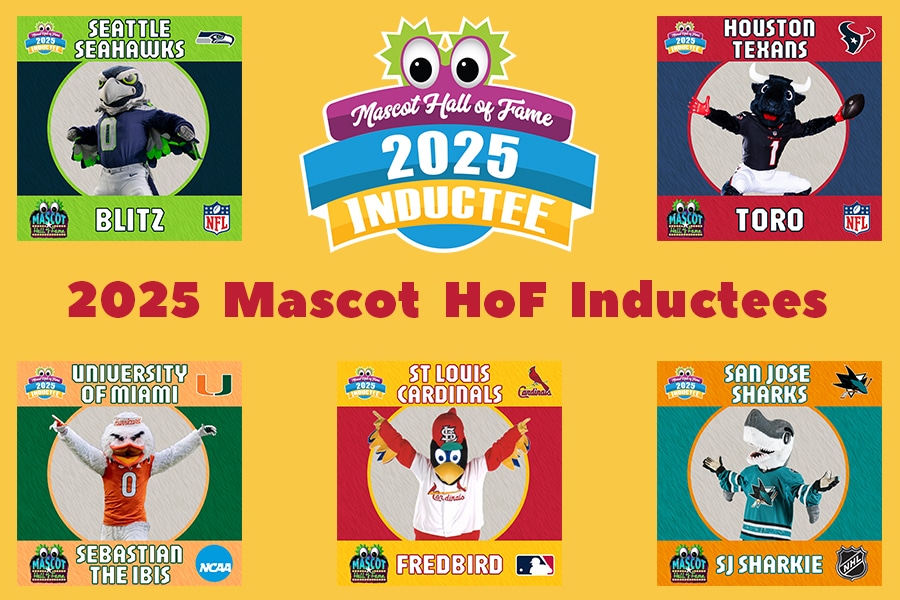
    The Mascot Hall of Fame has just revealed its Class of 2025. If you missed the announcement on Good Morning America on June 17, 2025, you might’ve also missed the confetti cannons, crowd-surfing shark fins, and GMA’s own Ray celebrating the event.

    This year’s inductees—nominated by fans, vetted by a committee, and voted in with over 125,000 ballots—represent the wild, wonderful spectrum of American mascotdom. And their journey from sideline silliness to cultural superstardom runs right through Whiting, Indiana—the official home of the Mascot Hall of Fame (MHOF).

    ???? Meet the Class of 2025

    • Blitz – Seattle Seahawks (NFL)

    • Fredbird – St. Louis Cardinals (MLB)

    • S.J. Sharkie – San Jose Sharks (NHL)

    • Sebastian the Ibis – University of Miami (NCAA)

    • TORO – Houston Texans (NFL)

    Each of these mascots has mastered the fine art of fan engagement—equal parts athleticism, slapstick, and hometown heroics. From Blitz’s airborne entrances to Sebastian’s beak-powered swagger, these characters embody the very spirit of their franchises.

    ????️ What Is the Mascot Hall of Fame?

    Founded in 2005 by David Raymond, the original performer behind the Philly Phanatic, the Mascot Hall of Fame is Online (and looking for a home). 

    Its mission? To recognize mascots who demonstrate excellence in character performance, fan interaction, community outreach, and, yes, pure fun.

    “They bring joy, energy, and creativity to their communities,” says founder David Raymond. “They are more than just sideline entertainers—they are ambassadors of spirit and goodwill.”

    ???? The Evolution of the Mascot

    Mascots have evolved significantly from their origins as live animals and symbols of good luck. What began as superstition has grown into a cornerstone of modern sports branding and entertainment. Today’s top-tier mascots are full-time performers, content creators, and brand reps—appearing at schools, hospitals, parades, and social media feeds around the clock.

    The Hall recognizes this transformation, and its annual ballot reflects the wide range of characters across collegiate and pro sports.

    • Fredbird has been flapping around Busch Stadium since 1979, tossing t-shirts and tugging hats.

    • TORO, the Texans’ horned hero, is known for his flips, energy, and school appearances across Houston.

    • S.J. Sharkie entered the NHL scene in 1991 and quickly became one of the league’s most recognizable (and mischievous) mascots.

    • Blitz has thrilled Seahawks fans in Seattle since 1998 with aerial acrobatics and signature swagger.

    • And Sebastian the Ibis—a Miami original—has represented the Hurricanes since the 1950s, bringing beak-first pride to every sideline.

    ????️ The Voting Process

    The Mascot Hall of Fame doesn’t pick inductees behind closed doors. After the MHOF Executive Committee narrows down the nominees (this year’s ballot included 28 mascots), the power shifts to the people. Fans cast votes during two weeks in May, turning the competition into a full-blown popularity contest—complete with memes, highlight reels, and mascot-led campaign videos.

    The 2025 Nominees:
    Albert – University of Florida (NCAA)
    Bernie Brewer – Milwaukee Brewers (MLB)
    Big Al – University of Alabama (NCAA)
    Blitz – Seattle Seahawks (NFL)
    Boomer – University of Oklahoma (NCAA)
    Cocky – University of South Carolina (NCAA)
    Cosmo the Cougar – Brigham Young University (NCAA)
    Fredbird – St. Louis Cardinals (MLB)
    Goldy Gopher – University of Minnesota (NCAA)
    Harvey the Hound – Calgary Flames – (NHL)
    Homer the Dragon – Charlotte Knights (MiLB)
    Hornsby – Tulsa Drillers (MiLB)
    Hugo the Hornet – Charlotte Hornets (NBA)
    Loco – Altoona Curve (MiLB)
    MeLVin – Lehigh Valley Phantoms (AHL)
    Mrs. Met – New York Mets (MLB)
    S.J. Sharkie – San Jose Sharks (NHL)
    Sebastian the Ibis – University of Miami (NCAA)
    Sparty – Michigan State University (NCAA)
    Stuff the Magic Dragon – Orlando Magic (NBA)
    The Cincy Bearcat University of Cincinnati (NCAA)
    The Leprechaun – University of Notre Dame (NCAA)
    The Oregon Duck – University of Oregon (NCAA)
    The Pirate Parrot – Pittsburgh Pirates (MLB)
    The Stanford Tree – Stanford University (NCAA)
    TORO – Houston Texans
    Wally the Green Monster – Boston Red Sox (MLB)
    Wool E. Bull – Durham Bulls (MiLB)

    This year’s voter turnout broke previous records, further proof that mascots may be silly, but they’re taken seriously.

    ???? What Happens Next?

    While many Halls of Fame host a single induction weekend, the MHOF likes to keep things local. Each new member of the Class of 2025 will receive a ceremony in their home market. That means confetti in Houston, mascot parades in Seattle, and feathers flying in Miami.

    Dates and details will be announced soon on mascothalloffame.com, along with exclusive merchandise, behind-the-scenes content, and chances for fans to join the party.


    ???? Why Mascots Matter

    You could argue that mascots are just distractions between plays. But that misses the point.

    Mascots are emotional connectors—a bridge between teams and their communities. They’re there for the first pitch, the 4th quarter comeback, the rain delays, the playoff heartbreaks. They’re part of the shared language of fandom. And for kids, they’re often the most memorable part of the game.

    So when we honor them, we’re celebrating something more profound: the joy, the loyalty, and the occasional hot dog cannon that make sports unforgettable.