web analytics

Tag: 1946

  • Pop Culture Trivia Quiz: What Happened In 1946?

    Pop Culture Trivia Quiz: What Happened In 1946?

    Pop Culture Trivia Quiz: What Happened In 1946?

    1946 Trivia: Dive Into the Post-War Era of Innovation and Culture!

    1946 was a transformative year as the world began rebuilding after the Second World War. This year marked the start of a cultural, technological, and economic boom that would define the post-war era. From groundbreaking inventions to timeless classics in entertainment, 1946 was a year full of significant milestones. Test your knowledge with trivia about the year that helped shape the modern world!

    Do you know 1946? Answer questions like Which classic Christmas film debuted that year but only became a hit decades later? What beloved toy brand began its journey? Who was the U.S. President during this pivotal year? Which iconic fashion item became a staple for generations to come?

    Here’s some bonus trivia to get you started:

    • It’s a Wonderful Life, now one of the most iconic holiday films ever was released, but it initially underperformed at the box office.
    • The first Cannes Film Festival was held in France, celebrating international cinema.
    • The Bikini swimsuit debuted in Paris, sparking controversy and a fashion revolution.
    • Tupperware was introduced to the market, changing the way people stored food.
    • The NBA (National Basketball Association) was officially founded in sports, redefining professional basketball.

    1946 also marked significant advancements in technology and geopolitics: The United Nations held its first session, aiming to foster peace and cooperation worldwide. In the tech world, ENIAC (Electronic Numerical Integrator and Computer), the world’s first general-purpose computer, was completed, signaling the dawn of the computer age.

    Whether you’re brushing up on trivia for a challenge or revisiting the rich history of the 1940s, this page is packed with fascinating moments highlighting why 1946 was a cornerstone year for the modern era.

    Are you ready to explore the milestones, inventions, and entertainment that made 1946 unforgettable? Test your knowledge now and relive a year that bridged the past and the future!

    46 Trivia Questions for 1946 History

    (answers)

    1. What was the Biggest Number One Song of 1946?

    2. At Club 500 in Atlantic City, New Jersey, this comedy duo performed their first show as a comedy team. Name them.

    3. This woman was the first American saint to be canonized. Name that American Saint.

    4. What was the Bestselling Fiction Book in 1946?

    5. In 1946, what was the average life expectancy in the United States?

    6. What was the highest-grossing film of 1946?

    7. This club, exclusive to very smart people, opened on October 1, 1946. Name that club.

    8. Starring Bing Crosby, Bob Hope, and Dorothy Lamour, with Alaska as the destination, name the Fourth “Road To…” film.

    9. Who was the President of the United States in 1946?

    10. Who was the American Vice-President in 1946?

    11. Who won the Stanley Cup in 1946?

    12. The “2-way wrist radio” was introduced in what popular comic strip?

    13. How much did a Loaf of Bread cost in 1946?

    14. How many people lived in the United States in 1946?

    15. This television network rivaled NBC and CBS when it started broadcasting, but they ended up operating in 1956. Name that almost-forgotten TV network.

    16. Now called ‘Holiday World’ in a town called Santa Clause in Indiana, this was America’s First Theme Park. (Not just amusement park). What was it called when it opened in 1946?

    17. Which celebrity was NOT born in 1946: Diane Keaton, Naomi Judd, Joy Behar, Dolly Parton, or Susan Lucci?

    18. In September 1946, this film festival debuted in France.

    19. This NHL player started his career in 1946 and played into 1980, with 1,767 games. Name that National Hockey League legend.

    20. In 1946, who first mentioned the “Iron Curtain” at Westminster College in Fulton, Missouri?

    21. This 1946 Disney film, a mix of live-action and animation, won an Academy Award for Best Song. Name that film.

    22. The name of this vehicle means ‘wasp’ in Italian. What is the vehicle?

    23. UNICEF was founded in 1946. What is the full name of the organization?

    24. This secret US Government program brought more than 1,600 German scientists, engineers, and technicians from Germany to the United States. Name that secret program.

    25. Who won the US Triple Crown of Thoroughbred Racing in 1946?

    26. This future rock star was born as Farrokh Bulsara in Stone Town, Zanzibar. Name that rock star.

    27. A young actress decided to use a stage name, Marilyn Monroe, instead of her given name. What was this actress’s real name?

    28. In this area, the United Kingdom granted what we now call Jordan its independence. What was it called then?

    29. Who won the 1946 World Series?

    30. Eventually selling over 50 million copies, what was the name of the book about raising small children by pediatrician Benjamin Spock?

    31. The Nat King Cole Trio recorded a song about a road for the first time, making that road one of the most famous in America. Name that road.

    32. Who was the Time Magazine Man of the Year in 1946?

    33. This South Pacific area, part of the Marshall Islands, became a testing area for American atomic bombs…

    34. Marguerite Perey discovered Actinium K, also known as ‘francium’; what is francium’s Atomic Number?

    35. This flight demonstration team was formed by the US Navy in 1946. Name that squadron.

    36. This very large professional wrestler was born on May 19, 1946, in Grenoble, France.

    37. This musical, starring Ethel Merman, premiered on Broadway at the Imperial Theatr

    38. Originally founded to help support people affected by World War II, this organization still offers aid packages to those in need. Name that organization.

    39. How much did a gallon of gas cost in 1946?

    40. This American fast food company started as ‘Dwarf Grill’ in 1946, changed its name to ‘Dwarf House’, and changed its name again in 1967. What is that company?

    41. Tokyo Telecommunications Engineering was founded in 1942 with about 20 employees. What is the name of that company today?

    42. what was the average movie theater ticket price in 1946 to the nearest dime?

    43. The Roosevelt dime was released in 1946. What was the dime used from 1916 through 1945?

    44. Although seldom seen today, this product was first produced in 1946 and was a major part of the plot in the 1983 film Trading Places.

    45. Directed by Howard Hughes, this film made Jane Russell a Hollywood sex symbol.

    46. This film, starring James Stewart, Donna Reed, and Lionel Barrymore, opened in December 1946

    Trivia Team Bonus Questions:

    1. Who directed It’s a Wonderful Life?

    2. What Horse won the Kentucky Derby in 1946?

    3. This early film noir based on the 1934 novel of the same name by James M. Cain features Lana Turner and John Garfield. Name

    4. Although the United Nations eventually settled in New York City, what was their  American first choice town?

    5. What was the name of American foreign policy’s primary purpose to contain Soviet geopolitical expansion during the Cold War?

    6. What was the first official Formula One Race?

    7. Weighing 60,0000 pounds, what was the computer’s name unveiled at the University of Pennsylvania in February 1946?

    8. Who were the 1946 NFL Champions?

    9. This space project bounced radar waves off the Moon, proving that communication between Earth and outer space is possible. Name that US government project.

    10. Who was the Pope in 1946?

    The Answers:

    46 Trivia Answers for 1946 History

    1. What was the Biggest Number One Song of 1946?
    The Gypsy by The Ink Spots

    2. At Club 500 in Atlantic City, New Jersey, this comedy duo performed their first show as a comedy team. Name them.
    Dean Martin and Jerry Lewis

    3. This woman was the first American saint to be canonized. Name that American Saint.
    Mother Cabrini (Mother Frances Xavier Cabrini)

    4. What was the Bestselling Fiction Book in 1946?
    The King’s General by Daphne du Maurier

    5. In 1946, what was the average life expectancy in the United States?
    Men – 64.4 years, Women – 69.4 years.

    6. What was the highest-grossing film of 1946?
    The Best Years of Our Lives

    7. This club, exclusive to very smart people, opened on October 1, 1946. Name that club.
    Mensa

    8. Starring Bing Crosby, Bob Hope, Dorothy Lamour, with Alaska as the destination, name the Fourth “Road To…” film.
    Road to Utopia

    9. Who was the President of the United States in 1946?
    Harry S. Truman (April 12, 1945 – January 20, 1953)

    10. Who was the American Vice-President in 1946?
    The office of vice president was vacant from April 12, 1945 – January 20, 1949

    11. Who won the Stanley Cup in 1946?
    In 1946, The Montreal Canadiens won over the Boston Bruins (4 games to 1)

    12. The “2-way wrist radio” was introduced in what popular comic strip?
    Dick Tracy

    13. How much did a Loaf of Bread cost in 1946?
    10 cents

    14. How many people lived in the United States in 1946?
    The population was an estimated 141,388,566 people.

    15. This television network rivaled NBC and CBS when it started broadcasting, but they ended up operating in 1956. Name that almost-forgotten TV network.
    The DuMont Television Network

    16. Now called ‘Holiday World’ in a town called Santa Clause in Indiana, this was America’s First Theme Park. (Not just amusement park). What was it called when it opened in 1946?
    Santa Claus Land

    17. Which celebrity was NOT born in 1946: Diane Keaton, Naomi Judd, Joy Behar, Dolly Parton, or Susan Lucci?
    Joy Behar (born October 7, 1942)

    18. In September 1946, this film festival debuted in France.
    The Cannes Film Festival

    19. This NHL player started his career in 1946 and played into 1980, with 1,767 games. Name that National Hockey League legend.
    Gordie Howe

    20. In 1946, who first mentioned the “Iron Curtain” at Westminster College in Fulton, Missouri?
    Winston Churchill

    21. This 1946 Disney film, a mix of live-action and animation, won an Academy Award for Best Song. Name that film.
    Song of the South (Song: Zip-a-Dee-Doo-Dah)

    22. The name of this vehicle means ‘wasp’ in Italian. What is the vehicle?
    Vespa (scooter).

    23. UNICEF was founded in 1946. What is the full name of the organization?
    United Nations Children’s Emergency Fund

    24. This secret US Government program brought more than 1,600 German scientists, engineers, and technicians from Germany to the United States. Name that secret program.
    Project Paperclip

    25. Who won the US Triple Crown of Thoroughbred Racing in 1946?
    Assault

    26. This future rock star was born as Farrokh Bulsara in Stone Town, Zanzibar. Name that rock star.
    Freddie Mercury (September 5, 1946 – November 24, 1991)

    27. A young actress decided to use a stage name, Marilyn Monroe, instead of her given name. What was this actress’s real name?
    Norma Jean Baker

    28. In this area, the United Kingdom granted what we now call Jordan its independence. What was it called then?
    Transjordan

    29. Who won the 1946 World Series?
    In 1946, The St. Louis Cardinals won, beating the Boston Red Sox (4 games to 3)

    30. Eventually selling over 50 million copies, what was the name of the book about raising small children by pediatrician Benjamin Spock?
    The Common Sense Book of Baby and Child Care

    31. The Nat King Cole Trio recorded a song about a road for the first time, making that road one of the most famous in America. Name that road.
    (Get Your Kicks On) Route 66

    32. Who was the Time Magazine Man of the Year in 1946?
    James F. Byrnes

    33. This South Pacific area, part of the Marshall Islands, became a testing area for American atomic bombs…
    Bikini Atoll

    34. Marguerite Perey discovered Actinium K, also known as ‘francium’; what is francium’s Atomic Number?
    87

    35. This flight demonstration team was formed by the US Navy in 1946. Name that squadron.
    The Blue Angels

    36. This very large professional wrestler was born on May 19, 1946, in Grenoble, France.
    Andre the Giant (died on January 27, 1993))

    37. This musical, starring Ethel Merman, premiered on Broadway at the Imperial Theatre
    Annie Get Your Gun

    38. Originally founded to help support people affected by World War II, this organization still offers aid packages to those in need. Name that organization.
    CARE (Cooperative for Assistance and Relief Everywhere, originally the Cooperative for American Remittances to Europe)

    39. How much did a gallon of gas cost in 1946?
    $0.21 per gallon

    40. This American fast food company started as ‘Dwarf Grill’ in 1946, changed its name to ‘Dwarf House’, and changed its name again in 1967. What is that company?
    Chick-fil-A

    41. Tokyo Telecommunications Engineering was founded in 1942 with about 20 employees. What is the name of that company today?
    SONY

    42. what was the average movie theater ticket price in 1946 to the nearest dime?
    40 cents

    43. The Roosevelt dime was released in 1946. What was the dime used from 1916 through 1945?
    The Mercury Dime

    44. Although seldom seen today, this product was first produced in 1946 and was a major part of the plot in the 1983 film Trading Places.
    Frozen concentrated orange juice

    45. Directed by Howard Hughes, this film made Jane Russell a Hollywood sex symbol.
    The Outlaw

    46. This film, starring James Stewart, Donna Reed, and Lionel Barrymore, opened in December 1946.
    It’s a Wonderful Life

    Trivia Team Bonus Questions:

    1. Who directed It’s a Wonderful Life?
    Frank Capra

    2. What Horse won the Kentucky Derby in 1946?
    Assault

    3. This early film noir based on the 1934 novel of the same name by James M. Cain features Lana Turner and John Garfield. Name
    The Postman Always Rings Twice

    4. Although the United Nations eventually settled in New York City, what was their  American first choice town?
    Greenwich, Connecticut

    5. What was the name of American foreign policy’s primary purpose to contain Soviet geopolitical expansion during the Cold War?
    The Truman Doctrine

    6. What was the first official Formula One Race?
    1946 Turin Grand Prix

    7. Weighing 60,0000 pounds, what was the computer’s name unveiled at the University of Pennsylvania in February 1946?
    ENIAC (Electronic Numerical Integrator and Computer)

    8. Who were the 1946 NFL Champions?
    Chicago Bears

    9. This space project bounced radar waves off the Moon, proving that communication between Earth and outer space is possible. Name that US government project.
    Project Diana. Some say that it started The Space Age.

    10. Who was the Pope in 1946?
    Pope Pius XII, March 2, 1939 – October 9, 1958


  • 1946 Trivia, Information, History and Fun Facts

    1946 Trivia, Information, History and Fun Facts

    1946 Trivia, Information, History and Fun Facts

    Quick Facts from 1946

    • World Changing Event: ‘ENIAC’ became the world’s first computer as we know it today.
    • Influential Songs include The Christmas Song by Nat ‘King’ Cole. Also, Zip a Dee Do Dah by various artists.
    • The Movies to Watch include Duel in the Sun, It’s A Wonderful Life, Angel on My Shoulder, Notorious, The Best Years of Our Lives, and A Night in Casablanca.
    • The Most Famous Person in America was probably Bing Crosby.
    • Notable books include The Common Sense Book of Baby and Child Care by Dr. Benjamin Spock.
    • US Life Expectancy: Males: 64.4 years, Females: 69.4 years
    • Price to enter a teen dance/mixer in 1946: 25 cents
    • The Funny Trio Was Bob Hope, Bing Crosby, and Dorothy Lamour
    • The Movie Flop?: It’s a Wonderful Life was considered a box office failure upon release in 1946. A clerical error placed the film in the public domain in 1974, causing many local TV networks to play it for free, popularizing it as a Christmas Classic.

    1946 History Rundown:

    • January 10 – First United Nations General Assembly Convened: The inaugural session of the UN General Assembly took place in London, with representatives from 51 nations.
    • January 17 – First UN Security Council Meeting Held: The United Nations Security Council held its first session in London, addressing global security issues.
    • February 14 – Bank of England Nationalized: The UK government took control of the Bank of England, transitioning it from private to public ownership.
    • March 5 – Winston Churchill Delivered ‘Iron Curtain’ Speech: In Fulton, Missouri, Churchill warned of the Soviet Union’s expanding influence in Eastern Europe, coining the term “Iron Curtain.”
    • March 9 – Burnden Park Disaster Occurred: A human crush at Bolton Wanderers’ football stadium in England resulted in 33 deaths and hundreds of injuries.
    • April 1 – Aleutian Islands Earthquake Struck: An 8.6 magnitude earthquake in Alaska generated a Pacific-wide tsunami, causing significant damage in Hawaii.
    • April 18 – League of Nations Officially Dissolved: The League of Nations disbanded, transferring its responsibilities to the newly formed United Nations.
    • May 16 – ‘Annie Get Your Gun’ Premiered on Broadway: The musical, featuring songs like “There’s No Business Like Show Business,” opened in New York City.
    • June 6 – Basketball Association of America (BAA) Established: The BAA, a precursor to the NBA, was formed in New York City.
    • July 4 – Philippines Gained Independence: The United States granted independence to the Philippines after nearly 50 years of American rule.
    • July 25 – First Underwater Atomic Bomb Test Conducted: As part of Operation Crossroads, the U.S. detonated an atomic bomb underwater at Bikini Atoll.
    • August 1 – Atomic Energy Act Enacted in the U.S.: The act established the Atomic Energy Commission, ending wartime nuclear collaboration between the U.S. and the UK.
    • August 15 – Mass Riots in Kolkata (Calcutta) Began: Known as Direct Action Day, violent clashes between Hindus and Muslims resulted in significant casualties.
    • September 24 – First Cannes Film Festival Held: The inaugural festival showcased films from 21 countries, promoting international cinema.
    • October 1 – Nuremberg Trials Concluded: Major Nazi war criminals were sentenced, with 12 receiving the death penalty.
    • October 16 – Hungarian Republic Proclaimed: Hungary declared itself a republic, transitioning from a monarchy to a parliamentary system.
    • November 5 – UNESCO Founded: The United Nations Educational, Scientific and Cultural Organization was established to promote global collaboration.
    • November 10 – First U.S. Secretary of Defense Appointed: James Forrestal became the inaugural Secretary of Defense, overseeing the newly unified military departments.
    • November 23 – French Naval Bombardment of Haiphong Occurred: The attack in Vietnam escalated tensions, leading to the First Indochina War.
    • December 2 – The Best Years of Our Lives Released: The film, depicting post-war adjustments of veterans, premiered and later won multiple Academy Awards.
    • December 11 – UNICEF Established: The United Nations International Children’s Emergency Fund was created to relieve children affected by World War II.
    • December 19 – First Indochina War Began: Conflict erupted between French forces and the Viet Minh in Vietnam.
    • December 20 – It’s a Wonderful Life Premiered: Frank Capra’s now-classic Christmas film debuted in New York City.
    • December 31 – President Truman Officially Ended WWII Hostilities: A proclamation was signed, formally concluding U.S. involvement in World War II.
    • Baby Boom Began: A significant increase in birth rates was observed in the U.S. and other countries, marking the start of the Baby Boomer generation.

    Top Ten Baby Names of 1946

    Mary, Linda, Patricia, Barbara, Carol, James, Robert, John, William, Richard

    Fashion Icons and Sex Symbols

    Lana Turner, Ava Gardner, Gene Tierney, Rita Hayworth, Lauren Bacall, Lana Turner, Betty Grable

    Entertainment History: The Oscars

    The 18th Academy Awards unfolded on March 7, 1946, at the Grauman’s Chinese Theatre in Hollywood. Jimmy Stewart, fresh from his military service in World War II, served as the host. The Lost Weekend was the night’s major winner, claiming four Oscars, including Best Picture and Best Director for Billy Wilder. This film was groundbreaking for its unflinching look at alcoholism, a topic Hollywood typically shied away from. Joan Crawford won Best Actress for her role in Mildred Pierce, solidifying her comeback in Hollywood. She accepted her award in bed due to illness, making for an unforgettable photo op. Interestingly, the documentary categories were introduced this year, reflecting the genre’s significance during wartime. The eligibility period ran from January 1 to December 31, 1945. Miklós Rózsa won for Best Original Score for Spellbound, a psychological thriller that also featured a dream sequence designed by Salvador Dalí.

    “The Quote”

    “The unleashed power of the atom has changed everything save our modes of thinking, and we thus drift toward unparalleled catastrophe” – Albert Einstein

    Time Magazine’s Man of the Year

    James F. Byrnes

    Miss America

    Marilyn Buferd (Los Angeles, CA)

    The Biggest Pop Artists of 1946 include

    The Andrews Sisters, Count Basie and His Orchestra, Tex Beneke, Connee Boswell, Les Brown and His Orchestra, Frankie Carle and His Orchestra, Hoagy Carmichael, Nat ‘King’ Cole, Perry Como, Bing Crosby, Tommy Dorsey and His Orchestra, Helen Forrest, Arthur Godfrey, Dick Haymes, Phil Harris, Woody Herman, and His Orchestra, Eddy Howard, The Ink Spots, Harry James and His Orchestra, Louis Jordan, Sammy Kaye, Stan Kenton, and His Orchestra, Peggy Lee, Guy Lombardo, and His Royal Canadians, Tony Martin, Johnny Mercer, Vaughn Monroe, Pied Pipers, Dinah Shore, Frank Sinatra, Jo Stafford, Margaret Whiting

    1946 Pop Culture Facts & History

    Jacques Heim and Louis Reard designed the first bikini for public consumption, named after the Bikini Atoll in the Marshall Islands.

    Mother Francis Xavier Cabrini became the first American Saint.

    April 8th is Draw A Bird Day. It is observed to honor a 10-year-old girl who was killed when hit by a car in 1946. The Cozy Dog Drive-In is now a restaurant at 2935 South Sixth Street in Springfield, Illinois.

    Ed Waldmire Jr. invented The Cozy Dog, the first corn dog on a stick in 1946. He had wanted to name his creation the “Crusty Cur,” but his wife convinced him that people wouldn’t want to eat something described as “crusty.”

    The Adventures of Superman radio show revealed the ‘secret’ codes and rituals of the KKK, making it a laughingstock and drying up Klan membership within weeks.
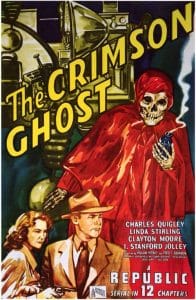
    The Misfits’ famous skull mascot is originally from a 1946 film serial titled The Crimson Ghost—the titular character plots to steal a device that can short out any electronic. The Crimson Ghost has also been featured in an Iron Maiden music video.

    The BBC broadcast its first multi-episode television show, a crime drama called Telecrime, in 1938. After five episodes, the show went on a seven-year hiatus due to WWII and resumed in 146,  when the remaining 12 episodes were broadcast.

    7-Eleven changed its name from Tote’m to empathizing with the company’s new extended hours, from 7 a.m. to 11 p.m., seven days a week.

    The fastest typing speed on an IBM electric typewriter is 216 words per minute, achieved by Stella Pajunas-Garnand. The average typist reaches 50 to 80 words per minute.

    A tidal wave hit Hawaii on April 1. Many ignored the tidal warnings, thinking them an April Fools Prank. The disaster killed 159 people and caused $26 million in damages.

    The United States tried to purchase Greenland from Denmark for $100 million.

    Song of the South is a 1946 Disney film that has never been released on video in the United States due to controversial racial overtones.

    Tom and Jerry’s episode where Tom performed Liszt’s Hungarian Rhapsody No. 2  won the Oscar for Best Animated Short Film in 1946.

    Fidelity Investments was founded in Boston, Massachusettes.

    United Business Company, basically an accounting firm, was founded by Henry and Richard Bloch. The company was renamed H & R Block in 1955 and specialized in taxes for businesses nationwide.

    Walt Disney himself voiced Mickey Mouse from his premiere in 1928 until 1946, when Jimmy MacDonald took over.

    The highest I.Q. ever recorded was 228 by Marilyn Vos Savant, an American writer born on August 11, 1946. She solved the Monty Hall Problem.

    The modern concept of a diamond engagement ring is largely due to a marketing campaign from the De Beers company from 1946… possibly the most successful ad campaign of all time.

    When Louis Rèard introduced the bikini in France, no respectable models were willing to wear the revealing swimwear, so Rèard had to hire a stripper, Micheline Bernardini, to model it.

    Spook Busters is a 1946 comedy film about a group of recent graduates (The Bowery Boys) who set up a company to exterminate ghosts in New York. Sound familiar?

    During the production of the noir classic The Big Sleep, neither the director nor the screenwriters knew if a character was supposed to have committed suicide or been murdered, so they contacted the book’s author, Raymond Chandler, and he didn’t know either.

    After losing both hands, WWII Veteran Howard Russell was cast in the film The Best Years of Our Lives. For his portrayal of an injured veteran coming home from war, he went on to win the Oscar for Best Supporting Actor.

    The Los Angeles Rams signed Kenny Washington, the first African-American player in the NFL.

    Sept 1, 1946, The first Formula One race took place in Turin, Italy, and was won by Achille Varzi.

    The Habit

    Reading Baby and Child Care by Dr. Benjamin Spock

    1st Appearances & 1946’s Most Popular Christmas Gifts, Toys and Presents

    Magic 8 Ball (Syco Seer), Lionel Trains with ‘steam,’ Streater Steam Shovel truck

    Nobel Prize Winners

    Physics – Percy Williams Bridgman
    Chemistry – James B. Sumner, John Howard Northrop, Wendell Meredith Stanley
    Physiology or Medicine – Hermann Joseph Muller
    Literature – Hermann Hesse
    Peace – Emily Greene Balch, John Mott

    Popular and Best-selling Books From 1946

    Arch of Triumph by Erich Maria Remarque
    B.F.’s Daughter by John P. Marquand
    The Black Rose by Thomas B. Costain
    The Common Sense Book of Baby and Child Care by Dr. Benjamin Spock
    East River by Sholem Asch
    The Foxes of Harrow by Frank Yerby
    The Hucksters by Frederic Wakeman, Sr.
    The Iceman Cometh by Eugene O’Neill
    The King’s General by Daphne du Maurier
    The Littlest Angel by Charles Tazewell
    The Miracle of the Bells by Russell Janney
    The River Road by Frances Parkinson Keyes
    This Side of Innocence by Taylor Caldwell
    The Snake Pit by Mary Jane Ward

    Best Film Oscar Winner

    The Lost Weekend (presented in 1946)

    Broadway Shows

    Born Yesterday (Play) Opened on February 4, 1946, and closed on December 31, 1949
    Annie Get Your Gun (Musical) Opened on May 16, 1946, and Closed on February 12, 1949

    Sports

    World Series Champions: St. Louis Cardinals
    NFL Champions: Chicago Bears
    Stanley Cup Champs: Montreal Canadiens
    U.S. Open Golf Lloyd Mangrum
    U.S. Tennis: (Men/Ladies) Jack Kramer/Pauline Betz
    Wimbledon (Men/Women): Yvon Petra/Pauline Betz
    NCAA Football Champions: Notre Dame
    NCAA Basketball Champions: Oklahoma A&M
    Kentucky Derby: Assault (Triple Crown Winner: Kentucky Derby, Preakness Stakes, and Belmont Stakes)
    World Cup (Soccer): not held

    More 1946 Facts & History Resources:

    Most Popular Baby Names (BabyCenter.com)
    Popular and Notable Books (popculture.us)
    Broadway Shows that Opened in 1946
    1946 Calendar, courtesy of Time and Date.com
    Fact Monster
    Forties Nostalgia
    1940s, Infoplease.com World History
    1946 in Movies (according to IMDB)
    Retrowaste Vintage Culture
    1940s Slang
    Wikipedia 1946
    The Cold War

  • 1946 Music: Popular Music, Songs and Artists

    1946 Music: Popular Music, Songs and Artists

    1946 Popular Music, Songs and Artists

    Perry Como

    They Say It’s Wonderful
    This romantic ballad is one of the standout songs from Irving Berlin’s Annie Get Your Gun (1946). Sung by Frank Butler as he expresses his newfound love for Annie Oakley, the song captures the magical feeling of falling in love. Perry Como’s warm baritone made his recording a favorite, solidifying it as an American standard.

    Les Brown

    I’ve Got the Sun in the Morning
    Another hit from Annie Get Your Gun, I’ve Got the Sun in the Morning, is sung by Annie as she reflects on the simple joys of life. Les Brown’s lively big band version became a popular hit in 1946, showcasing the song’s infectious optimism.

    Freddy Martin

    Doin’ What Comes Naturally
    This tongue-in-cheek number from Annie Get Your Gun humorously contrasts the sophisticated ways of the world with the more practical, natural skills of Annie and her backwoods family. Freddy Martin’s recording brought a jazzy, upbeat take to this playful tune, making it a standout on the charts.

    Bing Crosby and The Jesters

    McNamara’s Band
    Written in 1945 by O’Connor and Stanford, McNamara’s Band tells the humorous tale of a small Irish band. Bing Crosby’s 1947 version with The Jesters added charm and wit, making it a perennial favorite among Irish Americans, particularly around St. Patrick’s Day.

    Dixie Hummingbirds

    Amazing Grace
    One of the most performed hymns in history, Amazing Grace was written by John Newton in 1773. Once a slave trader, Newton experienced a spiritual awakening that led him to renounce his past and write the hymn as part of a sermon. The Dixie Hummingbirds’ gospel rendition added soulful harmonies, ensuring the song’s legacy in American music and beyond.

    Eddie Howard

    I Love You for Sentimental Reasons
    This tender love song, written by William Best in 1945, became an enduring classic. Eddie Howard’s version brought the song to mainstream audiences, and its timeless appeal led to covers by artists like Nat King Cole, Linda Ronstadt, and Dean Martin.

    Judy Garland

    On the Atchison, Topeka and the Santa Fe
    This lively tune from the 1946 MGM musical The Harvey Girls captures the excitement of westward expansion. Written by Harry Warren and Johnny Mercer, it won the Academy Award for Best Original Song. Judy Garland led the vibrant production number as the women of the Harvey House arrived to take up their posts in the Wild West.

    Nat King Cole

    (Get Your Kicks on) Route 66
    Written by Bobby Troup in 1946, Route 66 became an instant classic with Nat King Cole’s smooth rendition. Inspired by Troup’s cross-country journey on the historic highway, the song namechecks iconic stops along the way. Numerous artists, including The Rolling Stones and Natalie Cole have covered it.

    Johnny Mercer

    Zip-a-Dee-Doo-Dah
    Featured in Disney’s Song of the South (1946), this upbeat tune won the Academy Award for Best Original Song. Written by Allie Wrubel and Ray Gilbert, it became a signature Disney song, performed by James Baskett as Uncle Remus. Despite the film’s controversy, Zip-a-Dee-Doo-Dah remains a beloved part of Disney’s musical legacy.

    Vaughn Monroe

    Let It Snow! Let It Snow! Let It Snow!
    Written by Sammy Cahn and Jule Styne in 1945, this festive song about staying cozy during a snowstorm became a winter standard. Vaughn Monroe’s version topped the charts in 1946 and remains one of the most popular renditions.

    Frank Sinatra

    Five Minutes More
    Composed by Sammy Cahn and Jule Styne in 1946, Five Minutes More became a huge hit for Frank Sinatra. Its lighthearted lyrics, about wanting a little extra time with a loved one, made it a post-war favorite.

    Bing Crosby and The Andrews Sisters

    South America, Take It Away
    This lively Latin-inspired tune was written by Harold Rome in 1946. Bing Crosby and The Andrews Sisters’ playful rendition, complete with catchy rhythms and witty lyrics, became a hit, reflecting the era’s fascination with South American culture.

    Top Artists and Songs of 1946

    Al Dexter and His Troopers
    Guitar Polka
Arthur ‘Big Boy’ Crudup
That’s Alright Mama
Benny Goodman
Symphony
Betty Hutton
Doctor, Lawyer, Indian Chief
Bing Crosby and The Jesters
McNamara’s band
Sioux City One
Bing Crosby and the Andrews Sisters
South America, Take It Away
Bing Crosby
Symphony
They Say It’s Wonderful
You Keep Coming Back Like A Song
Bob Wills and his Texas Playboys
New Spanish Two-Step
Carroll Gibbons
Chickery Chick
Charlie Parker
Ornithology
Count Basie
Blue Skies
Dinah Shore
Laughing On The Outside
The Gypsy
You Keep Coming Back Like A Song
Dixie Hummingbirds
Amazing Grace
Dizzy Gillespie
Night In Tunisia
Eddie Howard
(I Love You) For Sentimental Reasons
To Each His Own
Edith Piaf
Les Trois Cloches
Ella Fitzgerald and Louis Jordan
Stone Cold Dead in the Market (He Had It Coming)
Frank Sinatra
Day By Day
Five Minutes More
Oh! What It Seemed To Be
The Coffee Song
The House I Live In
They Say It’s Wonderful
Frankie Carle
Oh! What It Seemed To Be
Rumors Are Flying
Freddy Martin
Bumble Boogie
Doin’ What Comes naturally
Symphony
To Each His Own
Harry James
I Can’t Begin To Tell You
Hoagy Carmichael and Cass Daley
Ole Buttermilk Sky
Hoagy Carmichael
Huggin’ and Chalkin’
Johnny Mercer
Personality
Zip-A-Dee-Doo-Dah
Kay Kyser
Ole Buttermilk Sky
The Old Lamplighter
Les Brown with Doris Day
The Whole World Is Singing My Song
Les Brown
I Got The Sun In The Morning
You Won’t Be Satisfied (Until You Break My Heart)
Lionel Hampton
Hey! Ba-Ba-Re-Bop
Hamp’s Walkin’ Boogie
Louis Jordan and his Tympany Five
Buzz Me
Choo Choo Ch’Boogie
Let The Good Times Roll
Merle Travis
Divorce Me COD
Nat ‘King’ Cole
(I Love you) For Sentimental Reasons
(Get Your Kicks) On Route 66
Perry Como
I’m Always Chasing Rainbows
Prisoner of Love
Surrender
They Say It’s Wonderful
Sammy Kaye
I’m A Big Girl Now
Laughing on the Outside (Crying on the Inside)
The Old Lamplighter
Sarah Vaughn
If You Could See Me Now
Spike Jones
Hawaiian War Chant (Ta-Hu-Wa-Hu-Wai)
Stan Kenton
Shoo-Fly Pie and Apple Pan Dowdy
The Ink Spots
Prisoner of Love
The Gypsy
To Each His Own
The Modernaires and Paula Kelly
To Each His Own
Thelonious Monk
Round About Midnight
Tony Martin
Rumors Are Flying
To Each His Own
Xavier Cugat
South America Take It Away
  • 1946 Oscars 18th Academy Awards

    1946 Oscars 18th Academy Awards

    1946 Oscars 18th Academy Awards

    • Winners Announced: March 7, 1946
    • Venue: Grauman’s Chinese Theater, Hollywood, California
    • Hosts: Jimmy Stewart and Bob Hope
    • Eligibility Year: Films released in 1945

    Major Wins:

    • The Lost Weekend claimed Best Picture, and its lead, Ray Milland, won Best Actor
    • Joan Crawford took home Best Actress for her role in Mildred Pierce

    Directing & Screenplay:

    • Billy Wilder didn’t just win for directing The Lost Weekend; he also shared the Best Screenplay win with Charles Brackett
    • The adapted screenplay award went to The Lost Weekend as well

    Additional Info:

    • The year 1946 marked the introduction of the Best Supporting Actor and Actress categories, won by James Dunn for A Tree Grows in Brooklyn and Anne Revere for National Velvet
    • This was the first year that the awards were broadcast on the radio coast-to-coast
    • Bing Crosby was the first actor to be nominated twice for playing the same character in two films, Father Chuck O’Malley.
    • This was the first year every film nominated for Best Picture won at least one Oscar.
    • The Bells of St. Marys had 8 Nominations and won 1 Oscar.
    • The Lost Weekend had seven nominations and won 4 Oscars.
    • National Velvet had five nominations and won 2.

    1946 Oscar Nominees and Winners

    Best Motion Picture:
    The Lost Weekend – Charles Brackett for Paramount Pictures (WINNER)
    Anchors Aweigh – Joe Pasternak for Metro-Goldwyn-Mayer
    The Bells of St. Mary’s – Leo McCarey for RKO Radio Pictures
    Mildred Pierce – Jerry Wald for Warner Bros.
    Spellbound – David O. Selznick for United Artists
    Best Director:
    Billy Wilder – The Lost Weekend (WINNER)
    Leo McCarey – The Bells of St. Mary’s
    Clarence Brown – National Velvet
    Jean Renoir – The Southerner
    Alfred Hitchcock – Spellbound
    Best Actor:
    Ray Milland – The Lost Weekend as Don Birnam (WINNER)
    Bing Crosby – The Bells of St. Mary’s as Father Chuck O’Malley
    Gene Kelly – Anchors Aweigh as Joseph “Joe” Brady
    Gregory Peck – The Keys of the Kingdom as Father Francis Chisholm
    Cornel Wilde – A Song to Remember as Frédéric Chopin
    Best Actress:
    Joan Crawford – Mildred Pierce as Mildred Pierce Beragon (WINNER)
    Ingrid Bergman – The Bells of St. Mary’s as Sister Mary Benedict
    Greer Garson – The Valley of Decision as Mary Rafferty
    Jennifer Jones – Love Letters as Singleton/Victoria Morland
    Gene Tierney – Leave Her to Heaven as Ellen Berent Harland
    Best Supporting Actor:
    James Dunn – A Tree Grows in Brooklyn as Johnny Nolan (WINNER)
    Michael Chekhov – Spellbound as Dr Alexander “Alex” Brulov
    John Dall – The Corn Is Green as Morgan Evans
    Robert Mitchum – The Story of G.I. Joe as Lt/Cpt. Bill Walker
    J. Carrol Naish – A Medal for Benny as Charley Martin
    Best Supporting Actress:
    Anne Revere – National Velvet as Mrs Araminty Brown (WINNER)
    Eve Arden – Mildred Pierce as Ida Corwin
    Ann Blyth – Mildred Pierce as Veda Pierce Forrester
    Angela Lansbury – The Picture of Dorian Gray as Sibyl Vane
    Joan Lorring – The Corn Is Green as Bessie Watty
    Best Original Screenplay:
    Marie-Louise – Richard Schweizer (WINNER)
    Dillinger – Philip Yordan
    Music for Millions – Myles Connolly
    Salty O’Rourke – Milton Holmes
    What Next, Corporal Hargrove? – Harry Kurnitz
    Best Screenplay:
    The Lost Weekend – Charles Brackett and Billy Wilder from The Lost Weekend by Charles R. Jackson (WINNER)
    Mildred Pierce – Ranald MacDougall from Mildred Pierce by James M. Cain
    Pride of the Marines – Albert Maltz from Al Schmid, Marine by Roger Butterfield
    The Story of G.I. Joe – Leopold Atlas, Guy Endore and Philip Stevenson from Brave Men and Here Is Your War by Ernie Pyle
    A Tree Grows in Brooklyn – Frank Davis and Tess Slesinger (posthumous nomination) from A Tree Grows in Brooklyn by Betty Smith
    Best Motion Picture Story:
    The House on 92nd Street – Charles G. Booth (WINNER)
    The Affairs of Susan – László Görög and Thomas Monroe
    A Medal for Benny – John Steinbeck and Jack Wagner
    Objective, Burma! – Alvah Bessie
    A Song to Remember – Ernst Marischka
    Best Short Subject – Cartoons:
    Quiet Please! (WINNER)
    Donald’s Crime
    Jasper and the Beanstalk
    Life with Feathers
    Mighty Mouse in Gypsy Life
    The Poet and Peasant
    Rippling Romance
    Best Documentary Feature:
    The True Glory (WINNER)
    The Last Bomb
    Best Documentary Short Subject:
    Hitler Lives (WINNER)
    Library of Congress
    To the Shores of Iwo Jima
    Best Live Action Short Subject, One-Reel:
    Stairway to Light – Herbert Moulton and Jerry Bresler (WINNER)
    Along the Rainbow Trail – Edmund Reek
    Screen Snapshots’ 25th Anniversary – Ralph Staub
    Story of a Dog – Gordon Hollingshead
    White Rhapsody – Grantland Rice
    Your National Gallery – Joseph O’Brien (posthumous nomination) and Thomas Mead
    Best Live Action Short Subject, Two-Reel:
    Star in the Night – Gordon Hollingshead (WINNER)
    A Gun in His Hand – Chester Franklin
    The Jury Goes Round ‘N’ Round – Jules White
    The Little Witch – George Templeton
    Best Scoring of a Dramatic or Comedy Picture:
    Spellbound – Miklós Rózsa (WINNER)
    The Bells of St. Mary’s – Robert Emmett Dolan
    Brewster’s Millions – Lou Forbes
    Captain Kidd – Werner Janssen
    The Enchanted Cottage – Roy Webb
    Flame of Barbary Coast – Dale Butts and Morton Scott
    G. I. Honeymoon – Edward J. Kay
    Guest in the House – Werner Janssen
    Guest Wife – Daniele Amfitheatrof
    The Keys of the Kingdom – Alfred Newman
    The Lost Weekend – Miklós Rózsa
    Love Letters – Victor Young
    The Man Who Walked Alone – Karl Hajos
    Objective, Burma! – Franz Waxman
    Paris Underground – Alexandre Tansman
    A Song to Remember – Miklós Rózsa and Morris Stoloff
    The Southerner – Werner Janssen
    The Story of G.I. Joe – Louis Applebaum and Ann Ronell
    This Love of Ours – H. J. Salter
    The Valley of Decision – Herbert Stothart
    The Woman in the Window – Hugo Friedhofer and Arthur Lange
    Best Scoring of a Musical Picture:
    Anchors Aweigh – Georgie Stoll (WINNER)
    Belle of the Yukon – Arthur Lange
    Can’t Help Singing – Jerome Kern (posthumous nomination) and H. J. Salter
    Hitchhike to Happiness – Morton Scott
    Incendiary Blonde – Robert Emmett Dolan
    Rhapsody in Blue – Ray Heindorf and Max Steiner
    State Fair – Charles Henderson and Alfred Newman
    Sunbonnet Sue – Edward J. Kay
    The Three Caballeros – Edward H. Plumb, Paul J. Smith and Charles Wolcott
    Tonight and Every Night – Marlin Skiles and Morris Stoloff
    Why Girls Leave Home – Walter Greene
    Wonder Man – Lou Forbes and Ray Heindorf
    Best Original Song:
    “It Might as Well Be Spring” from State Fair – Music by Richard Rodgers; Lyrics by Oscar Hammerstein II (WINNER)
    “Accentuate the Positive” from Here Come the Waves – Music by Harold Arlen; Lyrics by Johnny Mercer
    “Anywhere” from Tonight and Every Night – Music by Jule Styne; Lyrics by Sammy Cahn
    “Aren’t You Glad You’re You” from The Bells of St. Mary’s – Music by James Van Heusen; Lyrics by Johnny Burke
    “The Cat and the Canary” from Why Girls Leave Home – Music by Jay Livingston; Lyrics by Ray Evans
    “Endlessly” from Earl Carroll Vanities – Music by Walter Kent; Lyrics by Kim Gannon
    “I Fall in Love Too Easily” from Anchors Aweigh – Music by Jule Styne; Lyrics by Sammy Cahn
    “I’ll Buy That Dream” from Sing Your Way Home – Music by Allie Wrubel; Lyrics by Herb Magidson
    “Linda” from The Story of G.I. Joe – Music and Lyrics by Ann Ronell
    “Love Letters” from Love Letters – Music by Victor Young; Lyrics by Edward Heyman
    “More and More” from Can’t Help Singing – Music by Jerome Kern (posthumous nomination); Lyrics by E. Y. Harburg
    “Sleighride in July” from Belle of the Yukon – Music by James Van Heusen; Lyrics by Johnny Burke
    “So in Love” from Wonder Man – Music by David Rose; Lyrics by Leo Robin
    “Some Sunday Morning” from San Antonio – Music by Ray Heindorf and M. K. Jerome; Lyrics by Ted Koehler
    Best Sound Recording:
    The Bells of St. Mary’s – Stephen Dunn (WINNER)
    Flame of Barbary Coast – Daniel J. Bloomberg
    Lady on a Train – Bernard B. Brown
    Leave Her to Heaven – Thomas T. Moulton
    Rhapsody in Blue – Nathan Levinson
    A Song to Remember – John P. Livadary
    The Southerner – Jack Whitney
    They Were Expendable – Douglas Shearer
    The Three Caballeros – C. O. Slyfield
    Three Is a Family – W. V. Wolfe
    The Unseen – Loren L. Ryder
    Wonder Man – Gordon E. Sawyer
    Best Art Direction – Interior Decoration, Black-and-White:
    Blood on the Sun – Art Direction: Wiard Ihnen; Interior Decoration: A. Roland Fields (WINNER)
    Experiment Perilous – Art Direction: Albert S. D’Agostino and Jack Okey; Interior Decoration: Darrell Silvera and Claude E. Carpenter
    The Keys of the Kingdom – Art Direction: James Basevi and William S. Darling; Interior Decoration: Thomas Little and Frank E. Hughes
    Love Letters – Art Decoration: Hans Dreier and Roland Anderson; Interior Decoration: Samuel M. Comer and Ray Moyer
    The Picture of Dorian Gray – Art Direction: Cedric Gibbons and Hans Peters; Interior Decoration: Edwin B. Willis, John Bonar and Hugh Hunt
    Best Art Direction – Interior Decoration, Color:
    Frenchman’s Creek – Art Direction: Hans Dreier and Ernst Fegté; Interior Decoration: Samuel M. Comer (WINNER)
    Leave Her to Heaven – Art Direction: Lyle R. Wheeler and Maurice Ransford; Interior Decoration: Thomas Little
    National Velvet – Art Direction: Cedric Gibbons and Urie McCleary; Interior Decoration: Edwin B. Willis and Mildred Griffiths
    San Antonio – Art Direction: Ted Smith; Interior Decoration: Jack McConaghy
    A Thousand and One Nights – Art Direction: Stephen Goosson and Rudolph Sternad; Interior Decoration: Frank Tuttle
    Best Cinematography, Black-and-White:
    The Picture of Dorian Gray – Harry Stradling (WINNER)
    The Keys of the Kingdom – Arthur C. Miller
    The Lost Weekend – John F. Seitz
    Mildred Pierce – Ernest Haller
    Spellbound – George Barnes
    Best Cinematography, Color:
    Leave Her to Heaven – Leon Shamroy (WINNER)
    Anchors Aweigh – Robert Planck and Charles P. Boyle
    National Velvet – Leonard Smith
    A Song to Remember – Tony Gaudio and Allen M. Davey (posthumous nomination)
    The Spanish Main – George Barnes
    Best Film Editing:
    National Velvet – Robert J. Kern (WINNER)
    The Bells of St. Mary’s – Harry Marker
    The Lost Weekend – Doane Harrison
    Objective, Burma! – George Amy
    A Song to Remember – Charles Nelson
    Best Special Effects:
    Wonder Man – Photographic Effects: John P. Fulton; Sound Effects: Arthur Johns (WINNER)
    Captain Eddie – Photographic Effects: Fred Sersen and Sol Halperin; Sound Effects: Roger Heman Sr. and Harry M. Leonard
    Spellbound – Photographic Effects: Jack Cosgrove
    They Were Expendable – Photographic Effects: A. Arnold Gillespie, Donald Jahraus and R. A. MacDonald; Sound Effects: Michael Steinore
    A Thousand and One Nights – Photographic Effects: Lawrence W. Butler; Sound Effects: Ray Bomba
    Academy Honorary Awards:
    Walter Wanger “for his six years service as President of the Academy of Motion Picture Arts and Sciences.”
    The House I Live In tolerance short subject; produced by Frank Ross and Mervyn LeRoy; directed by Mervyn LeRoy; screenplay by Albert Maltz; song “The House I Live In”, music by Earl Robinson, lyrics by Lewis Allan; starring Frank Sinatra; released by RKO Radio.
    Republic Studio, Daniel J. Bloomberg and the Republic Sound Department “for the building of an outstanding musical scoring auditorium which provides optimum recording conditions and combines all elements of acoustic and engineering design.
    Academy Juvenile Award:
    Peggy Ann Garner
    Oscar® and Academy Awards® and Oscar® design mark are the trademarks and service marks and the Oscar© statuette the copyrighted property, of the Academy of Motion Picture Arts and Sciences. Pop Culture Madness is neither endorsed by nor affiliated with the Academy of Motion Picture Arts and Sciences.