Held at: Dorothy Chandler Pavilion, Los Angeles, California
Hosts: John Huston, Diana Ross, Burt Reynolds, David Niven
Eligibility Year: 1973
Trivia and Details
The host list was a star-studded ensemble featuring John Huston, Diana Ross, Burt Reynolds, and David Niven. This combination brought an interesting mix of Hollywood’s old guard and rising stars.
George Roy Hill’s The Sting became the night’s big winner, taking home seven Oscars including Best Picture.
The event had its share of humor and spontaneity when a streaker (Robert Opel) dashed across the stage, famously prompting host David Niven to remark, “The only laugh that man will ever get in his life is by stripping and showing his shortcomings.”
Jack Lemmon earned his fourth Oscar nomination for his role in Save the Tiger but it was his first win for Best Actor.
Glenda Jackson took home Best Actress for A Touch of Class, a romantic comedy that starkly contrasts the heavier, more dramatic films that often won in this category.
The Exorcist didn’t win Best Picture but did manage to secure two Oscars for Best Sound and Best Adapted Screenplay. The horror genre was rarely recognized at the Oscars, making this a noteworthy exception.
The ceremony occurred during a period of great social change, marked by the Watergate scandal and the ending of the Vietnam War, adding a layer of gravitas to the evening’s more light-hearted moments.
Tatum O’Neal, age 10, was the youngest person ever to win an Oscar.
“In recent years, especially, there has been a great deal of criticism about this award. And probably, a great deal of that criticism is very justified; I would just like to say that, whether it is justified or not, I think it is one hell of a honor and I am thrilled, and I thank you all, very, very much.” – Jack Lemmon, after winning his second Oscar.
Julia Phillips became the first female producer to win for Best Picture.
Best Picture: The Sting – Tony Bill, Julia Phillips and Michael Phillips, producers (WINNER) American Graffiti – Francis Ford Coppola, producer; Gary Kurtz, co-producer Cries and Whispers – Ingmar Bergman, producer The Exorcist – William Peter Blatty, producer A Touch of Class – Melvin Frank, producer
Best Director: George Roy Hill – The Sting (WINNER) George Lucas – American Graffiti Ingmar Bergman – Cries and Whispers William Friedkin – The Exorcist Bernardo Bertolucci – Last Tango in Paris
Best Actor: Jack Lemmon – Save the Tiger as Harry Stoner (WINNER) Marlon Brando – Last Tango in Paris as Paul Jack Nicholson – The Last Detail as Billy “Badass” Buddusky Al Pacino – Serpico as Frank Serpico Robert Redford – The Sting as Johnny Hooker
Best Actress: Glenda Jackson – A Touch of Class as Vicki Allessio (WINNER) Ellen Burstyn – The Exorcist as Chris MacNeil Marsha Mason – Cinderella Liberty as Maggie Paul Barbra Streisand – The Way We Were as Katie Morosky Joanne Woodward – Summer Wishes, Winter Dreams as Rita Pritchett-Walden
Best Supporting Actor: John Houseman – The Paper Chase as Professor Charles W. Kingsfield, Jr. (WINNER) Vincent Gardenia – Bang the Drum Slowly as Dutch Jack Gilford – Save the Tiger as Phil Jason Miller – The Exorcist as Damien Karras Randy Quaid – The Last Detail as Larry Meadows
Best Supporting Actress: Tatum O’Neal – Paper Moon as Addie Loggins (WINNER) Linda Blair – The Exorcist as Regan MacNeil Candy Clark – American Graffiti as Debbie Dunham Madeline Kahn – Paper Moon as Trixie Delight Sylvia Sidney – Summer Wishes, Winter Dreams as Mrs. Pritchett
Best Story and Screenplay Based on Factual Material or Material Not Previously Produced or Published: The Sting – David S. Ward (WINNER) American Graffiti – George Lucas, Gloria Katz and Willard Huyck Cries and Whispers – Ingmar Bergman Save the Tiger – Steve Shagan A Touch of Class – Melvin Frank and Jack Rose
Best Screenplay Based on Material from Another Medium: The Exorcist – William Peter Blatty based on his novel (WINNER) The Last Detail – Robert Towne based on the novel by Darryl Ponicsan The Paper Chase – James Bridges based on the novel by John Jay Osborn, Jr. Paper Moon – Alvin Sargent based on the novel Addie Pray by Joe David Brown Serpico – Waldo Salt and Norman Wexler based on the book by Peter Maas
Best Documentary Feature: The Great American Cowboy – Kieth Merrill (WINNER) Always a New Beginning – John D. Goodell Battle of Berlin (Schlacht um Berlin) – Franz Baake and Jost von Morr Journey to the Outer Limits – Alexander Grasshoff Walls of Fire – Herbert Kline and Edmund Penney
Best Documentary Short Subject: Princeton: A Search for Answers – Julian Krainin and DeWitt L. Sage Jr. (WINNER) Background Christo’s Valley Curtain Four Stones for Kanemitsu Paisti ag obair
Best Live Action Short Subject: The Bolero – Allan Miller and William Fertik (WINNER) Clockmaker – Richard Gayer Life Times Nine – Pen Densham and John Watson
Best Animated Short Subject: Frank Film – Frank Mouris (WINNER) The Legend of John Henry – Nick Bosustow and David Adams Pulcinella – Emanuele Luzzati and Guilo Gianini
Best Original Dramatic Score: The Way We Were – Marvin Hamlisch (WINNER) Cinderella Liberty – John Williams The Day of the Dolphin – Georges Delerue Papillon – Jerry Goldsmith A Touch of Class – John Cameron
Best Scoring: Original Song Score and Adaptation or Scoring: Adaptation: The Sting – Adaptated by Marvin Hamlisch (WINNER) Jesus Christ Superstar – Adapted by André Previn, Herbert W. Spencer and Andrew Lloyd Webber Tom Sawyer – Song Score by Richard M. Sherman and Robert B. Sherman; Adapted by John Williams
Best Song: “The Way We Were” – The Way We Were • Music by Marvin Hamlisch • Lyrics by Alan and Marilyn Bergman (WINNER) “All That Love Went to Waste” – A Touch of Class • Music by George Barrie • Lyrics by Sammy Cahn “Live and Let Die” – Live and Let Die • Music and Lyrics by Paul McCartney and Linda McCartney “Love” – Robin Hood • Music by George Bruns • Lyrics by Floyd Huddleston “(You’re So) Nice to Be Around” – Cinderella Liberty • Music by John Williams • Lyrics by Paul Williams
Best Sound: The Exorcist – Robert Knudson and Chris Newman (WINNER) The Day of the Dolphin – Richard Portman and Larry Jost The Paper Chase – Donald O. Mitchell and Larry Jost Paper Moon – Richard Portman and Les Fresholtz The Sting – Ronald Pierce and Robert R. Bertrand
Best Foreign Language Film: Day for Night – France (WINNER) The House on Chelouche Street – Israel L’Invitation – Switzerland The Pedestrian – Germany (West) Turkish Delight – Netherlands
Best Costume Design: The Sting – Edith Head (WINNER) Cries and Whispers – Marik Vos Ludwig – Piero Tosi Tom Sawyer – Donfeld The Way We Were – Dorothy Jeakins and Moss Mabry
Best Art Direction: The Sting – Art Direction: Henry Bumstead; Set Decoration: James W. Payne (WINNER) Brother Sun, Sister Moon – Art Direction: Lorenzo Mongiardino and Gianni Quaranta; Set Decoration: Carmelo Patrono The Exorcist – Art Direction: Bill Malley; Set Decoration: Jerry Wunderlich Tom Sawyer – Art Direction: Philip Jefferies; Set Decoration: Robert De Vestel The Way We Were – Art Direction: Stephen B. Grimes; Set Decoration: William Kiernan (posthumous nomination)
Best Cinematography: Cries and Whispers – Sven Nykvist (WINNER) The Exorcist – Owen Roizman Jonathan Livingston Seagull – Jack Couffer The Sting – Robert Surtees The Way We Were – Harry Stradling Jr.
Best Film Editing: The Sting – William H. Reynolds (WINNER) American Graffiti – Verna Fields and Marcia Lucas The Day of the Jackal – Ralph Kemplen The Exorcist – Jordan Leondopoulos, Bud S. Smith, Evan Lottman and Norman Gay Jonathan Livingston Seagull – Frank P. Keller and James Galloway
David Niven was Interrupted by Streaker at the 1974 Oscars
Robert Opel dashed naked from across from backstage during the 46th Academy Awards ceremony and flashed a peace sign with his fingers as he jogged offstage. David Niven was in the middle of an introduction for Elizabeth Taylor as this, the first televised streak occurred, on April 2, 1974, at the Dorothy Chandler Pavilion, Los Angeles.
Streaking was an epidemic in 1973/1974. However, there had been multiple situations where ‘non-crazy’ people ran off into the public without clothes, usually to make a point or win a bet. Often, drinking was involved.
Robert, a part-time photographer for The Advocate, an LGBT publication, became a minor celebrity after the incident. Rumors persist that the event was planned, with Oscar producer Jack Haley, Jr. in on the plot.
“Well, ladies and gentlemen, that was almost bound to happen… But isn’t it fascinating to think that the only laugh that man will ever get in his life is by stripping off and showing his shortcomings?”
The Sting, starring Paul Newman and Robert Redford, was the other big winner that night, earning seven Oscars, including best picture.
Held at: Hollywood Palladium, Los Angeles, California
Host: Andy Williams
Eligibility Year: October 16, 1972 – October 15, 1973
Trivia and Details
The album Innervisions by Stevie Wonder was one of the stars of the night, snagging Album of the Year, among other accolades.
The evening’s host, Andy Williams, was no stranger to the Grammys. He had been nominated multiple times, although he never won a Grammy during his career.
This year, it marked the second consecutive hosting gig for Andy Williams at the Grammys, making him one of the recurring faces of the ceremony during this period.
The hit single Killing Me Softly with His Song, performed by Roberta Flack, won Song of the Year and Record of the Year, making it one of the most celebrated songs of the ceremony.
Charlie Rich’s Behind Closed Doors won Best Country Vocal Performance, Male, and also won the Best Country Song award. Rich himself would go on to host the next year’s ceremony.
Bette Midler, known for her multi-faceted talents, won the Best New Artist award.
Millie Jackson, primarily an R&B singer, was nominated for Best Female R&B Vocal Performance but lost to Aretha Franklin. This was one of several Grammy nods Jackson received throughout her career, although she never won.
Record of the Year:
Killing Me Softly With His Song – Roberta Flack
Album of the Year:
Innervisions, Stevie Wonder (Tamla/Motown)
Song of the Year:
Killing Me Softly With His Song – Norman Gimbel and Charles Fox, songwriters
Best New Artist of the Year:
Bette Midler
Best Pop Vocal Performance, Male:
You Are the Sunshine of My Life – Stevie Wonder
Best Pop Vocal Performance, Female:
Killing Me Softly With His Song – Roberta Flack
Best Pop Vocal Performance By a Duo, Group or Chorus:
Neither One of Us (Wants to Be the First to Say Goodbye), Gladys Knight and the Pips
Best Pop Instrumental Performance:
Also Sprach Zarathustra (2001) – Eumir Deodato
Best Rhythm and Blues Song:
Superstition – Stevie Wonder, songwriter
Best Rhythm and Blues Vocal Performance, Male:
Superstition – Stevie Wonder
Best Rhythm and Blues Vocal Performance, Female:
Master of Eyes – Aretha Franklin
Best Rhythm and Blues Vocal Performance By a Duo, Group or Chorus:
Midnight Train to Georgia – Gladys Knight and the Pips
Best Rhythm and Blues Instrumental Performance:
Hang on Sloopy – Ramsey Lewis
Best Jazz Performance By a Soloist:
God Is in the House, Art Tatum
Best Jazz Performance By a Group:
Supersax Plays Bird, Supersax
Best Jazz Performance By a Big Band:
Giant Steps, Woody Herman
Best Country Song:
Behind Closed Doors – Kenny O’Dell, songwriter
Best Country Vocal Performance, Male:
Behind Closed Doors – Charlie Rich
Best Country Vocal Performance, Female:
Let Me Be There – Olivia Newton-John
Best Country Vocal Performance By a Duo or Group:
From the Bottle to the Bottom – Kris Kristofferson and Rita Coolidge
Best Country Instrumental Performance:
Dueling Banjos – Eric Weissberg and Steve Mandell
Best Gospel Performance:
Release Me (From My Sin), Blackwood Brothers
Best Soul Gospel Performance:
Loves Me Like a Rock – Dixie Hummingbirds
Best Inspirational Performance:
Let’s Just Praise the Lord, Bill Gaither Trio
Best Ethnic or Traditional Recording:
Then and Now, Doc Watson (United Artists)
Best Instrumental Arrangement:
Summer in the City – Quincy Jones, arranger
Best Arrangement Accompanying Vocalist:
Live and Let Die – George Martin, arranger
Best Instrumental Composition:
Last Tango in Paris – Gato Barbiera, composer
Best Score From an Original Cast Show Album:
A Little Night Music, Stephen Sondheim, composer
Best Original Score Written for a Motion Picture or a Television Special:
Jonathan Livingston Seagull, Neil Diamond, composer
Album of the Year, Classical:
Bartók, Concerto for Orchestra, Pierre Boulez conducting New York Philharmonic Orchestra (Columbia)
Best Classical Performance, Orchestra:
Bartók, Concerto for Orchestra, Pierre Boulez conducting New York Philharmonic Orchestra
Best Chamber Music Performance:
Joplin, The Red Back Book, Gunther Schuller and the New England Conservatory Ragtime Ensemble
Best Classical Performance, Instrumental Soloist (With Orchestra):
Beethoven, Concerti (5) for Piano and Orchestra, Vladimir Ashkenazy; Sir Georg Solti conducting Chicago Symphony
Best Classical Performance, Instrumental Soloist (Without Orchestra):
Scriabin, Horowitz Plays Scriabin, Vladimir Horowitz
Best Opera Recording:
Bizet, Carmen, Leonard Bernstein conducting The Metropolitan Opera Orchestra and Manhattan Opera Chorus; solos: Horne, McCracken, Maliponte and Krause (Deutsche Grammophon/Polydor)
Best Choral Performance, Classical:
Walton, Belshazzar’s Feast, André Previn conducting London Symphony Orchestra; Arthur Oldham conducting London Symphony Orchestra Chorus
Best Classical Vocal Soloist Performance:
Puccini, Heroines (La Bohème, Tosca, Manon Lescaut), Leontyne Price; Downes conducting New Philharmonia
Best Comedy Recording:
Los Cochinos, Cheech and Chong (Ode)
Best Spoken Word Recording:
Jonathan Livingston Seagull, Richard Harris (Columbia)
Best Recording for Children:
Sesame Street Live, Sesame Street cast (Columbia)
Best Album Package:
Tommy, Wilkes and Braun, Inc., art director (Ode)
Best Album Notes:
God Is in the House, Dan Morgenstern, annotator (Onyx)
Best Album Notes, Classical:
Hindemith, Sonatas for Piano (Complete), Glenn Gould, annotator (Columbia)
December 16, 1972 – January 5, 1973: Me and Mrs. Jones – Billy Paul January 6 – January 26: You’re So Vain – Carly Simon January 27 – February 2: Superstition – Stevie Wonder February 3 – February 23: Crocodile Rock – Elton John February 24 – March 23: Killing Me Softly With His Song – Roberta Flack March 24 – April 6: Love Train – O’Jays April 7 – April 20: The Night the Lights Went Out in Georgia – Vicki Lawrence April 21 – May 18: Tie A Yellow Ribbon Round The Ole Oak Tree – Dawn Featuring Tony Orlando May 19 – May 25: You Are The Sunshine Of My Life – Stevie Wonder May 26 – June 1: Frankenstein – The Edgar Winter Group June 2 – June 29: My Love – Paul McCartney & Wings June 30 – July 6: Give Me Love (Give Me Peace On Earth) – George Harrison July 7 – July 20: Will It Go Round In Circles – Billy Preston July 21 – August 3: Bad, Bad Leroy Brown – Jim Croce August 4 – August 17: The Morning After – Maureen McGovern August 18- August 25: Touch Me in the Morning – Diana Ross August 25 – September 8: Brother Louie – Stories September 8 – September 14: Let’s Get It On – Marvin Gaye September 15 – September 28: Delta Dawn – Helen Reddy September 29 – October 5: We’re An American Band – Grand Funk October 6 – October 19: Half-Breed – Cher October 20 – October 26: Angie – The Rolling Stones October 27 – November 9: Midnight Train To Georgia – Gladys Knight & The Pips November 10 – November 23: Keep On Truckin’ (Part 1) – Eddie Kendricks November 24 – November 30: Photograph – Ringo Starr December 1 – December 14: Top Of The World – The Carpenters December 15 – December 28: The Most Beautiful Girl – Charlie Rich December 29, 1973 – January 14, 1974: Time In A Bottle – Jim Croce
(Data is compiled from various charts including Billboard’s “Pop,” “Adult Contemporary,” “Airplay,” “R&B” and “Singles” Charts. “Hot 100” is the primary chart used starting October, 1958)
Science in Space: Anita and Arabella, two female cross spiders, went into orbit in 1973 for the Skylab 3 space station as part of an experiment to see if spiders could spin webs in near-weightlessness. They can.
The Top Song was Tie a Yellow Ribbon Round the Ole Oak Tree by Tony Orlando and Dawn
Influential Songs include: Walk on the Wild Side by Lou Reed, Knockin’ On Heaven’s Door by Bob Dylan, Cover of “Rolling Stone” by Dr Hook & The Medicine Show and Sing by The Carpenters
The Movies to Watch include The Sting, Charlotte’s Web, Paper Moon, Don’t Be Afraid of the Dark, Godspell, Enter the Dragon, The Exorcist, High Plains Drifter, Jesus Christ Superstar, Soylent Green, The Way We Were, The Sting and American Graffiti
The Most Famous Person in America was probably Elvis Presley
Notable books include Fear of Flying by Erica Jong and The Princess Bride by William Goldman
$200,000 ($1,100,000 in today’s dollars) was stolen from Led Zeppelin’s tour’s safety deposit box between the band’s second and third concerts in New York. The crime remains unsolved.
Garlic knots were invented in 1973 in Ozone Park, Queens. Several pizzerias began making them within days of each other.
Jimmy Carter reported a UFO sighting, calling it the “darndest thing I’ve ever seen.”
Price of metal ice cube tray in 1973: 91 cents Raleigh Triumph bicycle: $97.95
The Funny Guys were Robert Klein and Albert Brooks The Funny Late Night Host: Johnny Carson The Funny Duo was Cheech and Chong The Funny Lady was Carol Burnett
The Music Question: Who was Carly Simon singing about in You’re So Vain?
The Crazy Conspiracy: Did physically fit 32-year-old action star Bruce Lee die of natural causes?
Adrienne Barbeau, Dyan Cannon, Veronica Carlson, Pam Grier, Dayle Haddon, Peggy Lipton, Maureen McCormick, Caroline Munro, Ingrid Pitt, Diana Ross, Maria Schneider, Barbra Streisand, Jane Seymour
Hollywood Hunks, Leading Men and Sex Symbols
Robert Redford, Paul Newman, Richard Roundtree, Marlon Brando
“The Quotes”
“My brain? But that’s my second favorite organ!” – Woody Allen, in Sleeper
“Have it your way.” – Burger King
“People have got to know whether or not their President is a crook. Well, I’m not a crook. I’ve earned everything I’ve got.” – President Richard Nixon
“It’s people! Soylent Green is made of people!” – Charlton Heston, in Soylent Green
“The uncola” – 7 Up
“It ain’t over ’til it’s over” wasn’t a phrase until Yogi Berra coined it in 1973
Time Magazine’s Man of the Year
John Sirica
Miss America
Terry Meeuwsen (De Pere, WI)
Miss USA
Amanda Jones (Illinois)
The Scandals
Sacheen Littlefeather accepted the Best Actor Award for Marlon Brando in The Godfather. He didn’t accept the award in person because of the United State’s treatment of Native American Indians. She was an actress who later appeared in Playboy magazine.
80% of Army personnel records of soldiers discharged from November 1, 1912, to January 1, 1960, were lost in a fire at the National Personnel Records Center (NPRC) in 1973.
The 1973 Soap Box Derby winner, 14-year-old Jimmy Gronen, was stripped of his title after his car was found to have an electromagnet in the nose, which, when activated, pulled the car forward by attracting it to the steel paddle used to start the race.
Airplane Celebrity Death
Jim Croce
Cult Movie Star Death
Bruce Lee (brain edema, allergy, or mysterious kung fu maneuver)
US Politics
January 20, 1973 (Saturday): Second inauguration of Richard Nixon
1973 Pop Culture Facts & History
Pink Floyd’s Dark Side of the Moon album was on the Billboard charts for 741 consecutive weeks from 1973 to 1988, and in total, has charted for 917 weeks.
Led Zeppelin bought their private jet, “The Starship,” for part of their 1973 US tour for $30,000. Drummer John Bonham once flew the band from New York to LA even though he didn’t have a pilot’s license.
KISS played their first show in 1973 in Queens, New York, for an audience of fewer than ten people and was paid $50 for that evening.
The Hampster Dance song (1998) is just a sped-up version of the song Whistle Stop from the animated Disney movie Robin Hood (1973).
Magnetic resonance imaging (MRI) was invented.
The public first used Air Bags in the Oldsmobile Toronado.
In 1973, Johnny Carson made a joke about a toilet paper shortage, causing people to hoard enough to cause an actual nationwide shortage.
Following Bruce Lee’s death in 1973, a series of “Brucesploitation” movies was released starring look-alike actors to capitalize on the late star’s fame. The actors had names such as Bruce Le, Bruce Lai, Brute Lee, and Bruce Lie.
Only one man in history has ever turned down the Nobel Peace Prize: Vietnamese revolutionary, diplomat, and politician Le Duc Tho. For his role as Vietnam’s chief negotiator in the Paris Peace Accords in 1973, he was jointly awarded the prize alongside his American counterpart, Henry Kissinger.
Floyd J. Thompson, a Colonel in the U.S. Army, was the longest-held American prisoner of war in U.S. history, spending nearly nine years in captivity in the jungle camps and mountains of South Vietnam and Laos and North Vietnam during the Vietnam War. He was held from 1964 till 1973.
Burger Chef (opened in 1958 by Donald & Frank Thomas, who used McDonald’s as their inspiration) was the fast-food chain that pioneered the kids’ meal concept. First sold in 1973, their “Fun Meal” bundled burgers with a dessert and toy.
Germany was excluded from the International Union of Pure and Applied Chemistry (IUPAC) upon its founding in 1919 due to its involvement in WW1. It was admitted in 1929 but kicked again during WW2. After the war, East and West Germany were readmitted to the IUPAC in 1973.
Jimmy Carter claimed he saw a UFO in 1969. After he became the governor of Georgia, he was asked to file an official report of the sighting in 1973 by the International UFO Bureau in Oklahoma City. Carter described the object as bright white, changing to blue, red, and white again.
Richard Nixon presented Leonid Brezhnev with a brand-new Lincoln Continental at Camp David as a gift. Brezhnev unexpectedly took Nixon on a joyride outside Camp David on public roads alone for half an hour without Secret Service detail or the nuclear briefcase.
The White House forbade female staffers and employees from wearing pants instead of skirts until the Energy Crisis of 1973, when building temperatures were lowered, and pants were finally allowed.
Until 1973, the full title for the King of Sweden was “King of the Swedes, the Goths, and the Vends.”
On August 11th, 1973, in the Bronx, NYC, a bloc party was held called the “Back to School Jam” by Clive Campbell. Going by the stage name DJ Kool Herc, Campbell stretched and scratched popular disco break beats and funky drum solos into the genre of music we now know today as Hip Hop.
Stanley Kubrick personally pulled A Clockwork Orange in 1973 due to a run of copycat crimes. It was re-released a year after his death, in 2000.
Bob Fosse is the only person to have ever won an Oscar, an Emmy, and a Tony all in the same year (1973).
A man tried to rob a bank in Kenora, Ontario, with dynamite strapped to his chest. A police sniper shot him, detonating the explosives and blowing him up. He has never been identified.
Debra McKenna forgot a class ring gifted by her then-fiancé in a department store in Maine in 1973. A worker found it in 2020, with a metal detector, buried in a forest in Finland.
An MIT computer in 1973 predicted society would collapse in 2040.
NASA sent two spiders known as Arabella and Anita into space to see if they could spin a web without gravity. It took the spiders a couple of days to figure out, but they eventually made finer and more complex webs than their Earth counterparts.
When 16-year-old John Paul Getty III was kidnapped in 1973, his billionaire grandfather refused to pay a $17 million ransom. After the kidnappers mailed Getty’s ear to a newspaper, his grandfather only agreed to pay $2.2 million because that was the maximum amount that was tax deductible.
The word “factoid” was invented by Norman Mailer in his 1973 biography of Marylin Monroe. He defined it as things that are not necessarily true but are repeated so often people think they are.
In addition to being blind, Stevie Wonder temporarily lost his sense of smell and taste after a car crash in 1973. He was also in a coma for ten days, waking when a friend sang his song, Higher Ground, to him.
In 1973, a volcano erupted on the Icelandic island of Heimaey. Rather than fleeing to safety, the island’s residents sprayed the advancing lava flow with seawater to form a wall and direct the lava into the sea.
On June 9th, 1973, Secretariat won the Triple Crown. In the Kentucky Derby, Secretariat broke from near the back of the pack to win the one and-1/4-mile race in a record 1 minute and 59 2/5th seconds. He was the first to run the Derby in less than two minutes, and his record still stands. When Secretariat died in 1989, his body was sent to the University of Kentucky for an autopsy. They found his heart weighed an astounding 22 pounds! The average weight of a mature Thoroughbred’s heart is a mere eight pounds.
Two New York Yankees pitchers, Fritz Peterson and Mike Kekich, swapped wives and children; they announced the “change-up” at separate press conferences in 1973.
Dave Winfield, a former baseball player and Hall of Famer, was not only drafted by the MLB’s San Diego Padres in 1973 but also by an NBA team and an NFL team.
Basketball Hall of Famer Spencer Haywood was approached by Nike early in his career with an enticing offer: 100K or 10 % of Nike. He took the 100K. Today, the 10% is worth over 12.4 billion.
As of 2022, the NFL’s New York Jets have never beaten the Philadelphia Eagles. The first time they played was in 1973.
Cost of a Super Bowl ad in 1973: $88,000
The 1973 Soap Box Derby winner, 14-year-old Jimmy Gronen, was stripped of his title after his car was found to have an electromagnet in the nose, which, when activated, pulled the car forward by attracting it to the steel paddle used to start the race.
The Habit
Pong (arcade)
1st Appearances & 1973’s Most Popular Christmas Gifts, Toys and Presents
Anti-Monopoly, Raleigh Chopper Bikes, Toy guns, Shrinky Dinks, Pente, Dungeons and Dragons
Best Film Oscar Winner
The Godfather (presented in 1973)
Popular and Best-selling Books From 1973
The Billion Dollar Sure Thing by Paul E. Erdman Breakfast of Champions by Kurt Vonnegut Burr by Gore Vidal Evening in Byzantium by Irwin Shaw Fear of Flying by Erica Jong The Friends by Rosa Guy Gravity’s Rainbow by Thomas Pynchon The Hollow Hills by Mary Stewart The Honorary Consul by Graham Greene Jonathan Livingston Seagull by Richard Bach The Matlock Paper by Robert Ludlum The Odessa File by Frederick Forsyth Once Is Not Enough by Jacqueline Susann The Princess Bride by William Goldman Sula by Toni Morrison Where the Red Fern Grows by Wilson Rawls
1973 Most Popular TV Shows
1. All in the Family (CBS) 2. The Waltons (CBS) 3. Sanford and Son (NBC) 4. M*A*S*H (CBS) 5. Hawaii Five-O (CBS) 6. Maude (CBS) 7. Kojak (CBS) 8. The Sonny and Cher Comedy Hour (CBS) 9. The Mary Tyler Moore Show (CBS) 10. Cannon (CBS)
1973 Billboard Number One Songs
December 16, 1972 – January 5, 1973: Me and Mrs. Jones – Billy Paul
January 6 – January 26: You’re So Vain – Carly Simon
January 27 – February 2: Superstition – Stevie Wonder
February 3 – February 23: Crocodile Rock – Elton John
February 24 – March 23: Killing Me Softly With His Song – Roberta Flack
March 24 – April 6: Love Train – O’Jays
April 7 – April 20: The Night the Lights Went Out in Georgia – Vicki Lawrence
April 21 – May 18: Tie A Yellow Ribbon Round The Ole Oak Tree – Dawn Featuring Tony Orlando
May 19 – May 25: You Are The Sunshine Of My Life – Stevie Wonder
May 26 – June 1: Frankenstein – The Edgar Winter Group
June 2 – June 29: My Love – Paul McCartney & Wings
June 30 – July 6: Give Me Love – (Give Me Peace On Earth) – George Harrison
July 7 – July 20: Will It Go Round In Circles – Billy Preston
July 21 – August 3: Bad, Bad Leroy Brown – Jim Croce
August 4 – August 17: The Morning After – Maureen McGovern
August 18- August 25: Touch Me in the Morning – Diana Ross
August 25 – September 8: Brother Louie – Stories
September 8 – September 14: Let’s Get It On – Marvin Gaye
September 15 – September 28: Delta Dawn – Helen Reddy
September 29 – October 5: We’re An American Band – Grand Funk
October 27 – November 9: Midnight Train To Georgia – Gladys Knight & The Pips
November 10 – November 23: Keep On Truckin’ – (Part 1) Eddie Kendricks
November 24 – November 30: Photograph – Ringo Starr
December 1 – December 14: Top Of The World – The Carpenters
December 15 – December 28: The Most Beautiful Girl – Charlie Rich
December 29, 1972 – January 11, 1974: Time In A Bottle – Jim Croce
Sports
World Series Champions: Oakland Athletics Super Bowl VII Champions: Miami Dolphins NBA Champions: New York Knicks Stanley Cup Champs: Montreal Canadiens U.S. Open Golf Johnny Miller U.S. Tennis: (Men/Ladies) John Newcombe/Margaret Smith Court Wimbledon (Men/Women): Jan Kodes/Billie Jean King NCAA Football Champions: Alabama & Notre Dame NCAA Basketball Champions: UCLA Kentucky Derby: Secretariat (Triple Crown Winner: Kentucky Derby, Preakness Stakes, and Belmont Stakes)
The Cod Wars were a series of disputes between the United Kingdom and Iceland over fishing rights in the North Atlantic, which took place between 1958 and 1976, involving several confrontations at sea, diplomatic tensions, and economic repercussions for both countries.
The root of the conflict lay in Iceland’s attempts to expand its exclusive fishing zone, primarily to protect its vital cod fishing industry from overfishing by foreign trawlers, including those from the United Kingdom. The disputes were marked by three main periods of confrontation: the First Cod War (1958-1961), the Second Cod War (1972-1973), and the Third Cod War (1975-1976).
During the First Cod War, Iceland unilaterally extended its exclusive fishing zone from 4 to 12 nautical miles, which was met with strong opposition from the UK. British trawlers continued to fish in the disputed waters, leading to incidents of Icelandic Coast Guard vessels attempting to cut the fishing nets of the British trawlers. The conflict ended in 1961 with a temporary agreement, allowing British vessels to fish in certain areas within the 12-mile limit.
The Second Cod War erupted in 1972 when Iceland further extended its fishing zone to 50 nautical miles. The UK again protested the move and sent naval vessels to protect its fishing fleet. The situation escalated, with both sides’ vessels ramming each other and even firing warning shots. The conflict was resolved in 1973 through a temporary agreement, which allowed British trawlers limited access to the disputed zone.
The Third Cod War began in 1975 when Iceland expanded its fishing zone once more, this time to 200 nautical miles. The UK responded by sending naval vessels to protect its fishing fleet, leading to more aggressive confrontations at sea. In 1976, Iceland threatened to close a NATO base on its territory, which was strategically important during the Cold War. This prompted the intervention of the United States, which mediated a settlement between the two countries.
The Cod Wars ultimately resulted in Iceland’s victory, as the UK agreed to recognize the 200-mile fishing zone and significantly reduce its fishing activities in the area. The disputes had a lasting impact on the fishing industry in both countries, with the British fishing industry facing a significant decline. At the same time, Iceland successfully preserved its vital cod stocks and solidified its control over its fishing resources.
Eligibility Year: October 16, 1971 – October 15, 1972
Musical Highlights and Achievements
Sweep by “The Concert for Bangladesh”: The album, organized by George Harrison and Ravi Shankar, won Album of the Year and demonstrated the power of music to enact social change.
Robert Flack’s “First Time Ever I Saw Your Face”: This song won both Record of the Year and Song of the Year, catapulting Roberta Flack to stardom.
Prestigious Newcomer: America won Best New Artist.
Engaging Trivia
Country Takeover: With the Grammys being held in Nashville for the first time, there was a noticeable focus on country music, including Charley Pride winning Best Country Vocal Performance.
Repeat Host: Andy Williams hosted the Grammys for several years, but the 1973 event was notable for its location change to Nashville, placing Williams in the heart of country music.
Youth Power: Michael Jackson got his first Grammy nomination at the age of 14 for Best Original Score Written for a Motion Picture or a Television Special.
Best Picture: The Godfather – Albert S. Ruddy, producer Cabaret – Cy Feuer, producer Deliverance – John Boorman, producer The Emigrants – Bengt Forslund, producer Sounder – Robert B. Radnitz, producer
Best Director: Bob Fosse – Cabaret John Boorman – Deliverance Jan Troell – The Emigrants Francis Ford Coppola – The Godfather Joseph L. Mankiewicz – Sleuth
Best Actor: Marlon Brando – The Godfather as Vito Corleone (declined) Michael Caine – Sleuth as Milo Tindle Laurence Olivier – Sleuth as Andrew Wyke Peter O’Toole – The Ruling Class as Jack Gurney Paul Winfield – Sounder as Nathan Lee Morgan
Best Actress: Liza Minnelli – Cabaret as Sally Bowles Diana Ross – Lady Sings the Blues as Billie Holiday Maggie Smith – Travels with My Aunt as Augusta Bertram Cicely Tyson – Sounder as Rebecca Morgan Liv Ullmann – The Emigrants as Kristina Nilsson
Best Supporting Actor: Joel Grey – Cabaret as the M.C. Eddie Albert – The Heartbreak Kid as Mr. Corcoran James Caan – The Godfather as Santino “Sonny” Corleone Robert Duvall – The Godfather as Tom Hagen Al Pacino – The Godfather as Michael Corleone
Best Supporting Actress: Eileen Heckart – Butterflies Are Free as Mrs. Baker Jeannie Berlin – The Heartbreak Kid as Lila Kolodny Geraldine Page – Pete ‘n’ Tillie as Gertrude Wilson Susan Tyrrell – Fat City as Oma Shelley Winters – The Poseidon Adventure as Belle Rosen
Best Screenplay Based on Factual Material or Material Not Previously Produced or Published: The Candidate – Jeremy Larner The Discreet Charm of the Bourgeoisie – Luis Buñuel and Jean-Claude Carrière Lady Sings the Blues – Chris Clark, Suzanne de Passe and Terence McCloy Murmur of the Heart – Louis Malle Young Winston – Carl Foreman
Best Screenplay Based on Material from Another Medium: The Godfather – Francis Ford Coppola and Mario Puzo based on the novel by Puzo Cabaret – Jay Presson Allen based on the musical by Fred Ebb and John Kander and the book by Joe Masteroff The Emigrants – Bengt Forslund and Jan Troell based on the novels The Emigrants and Unto a Good Land by Vilhelm Moberg Pete ‘n’ Tillie – Julius J. Epstein based on the story Witch’s Milk by Peter De Vries Sounder – Lonne Elder III based on the novel by William H. Armstrong
Best Documentary Feature: Marjoe – Sarah Kernochan and Howard Smith Ape and Super-Ape – Bert Haanstra Malcolm X – Arnold Perl (posthumous nomination) and Marvin Worth Manson – Robert Hendrickson and Laurence Merrick The Silent Revolution – Eckehard Munck
Best Documentary Short Subject: This Tiny World – Charles Huguenot van der Linden and Martina Huguenot van der Linden Hundertwasser’s Rainy Day – Peter Schamoni K-Z – Giorgio Treves Selling Out – Tadeusz Jaworski The Tide of Traffic – Humphrey Swingler
Best Live Action Short Subject: Norman Rockwell’s World… An American Dream – Richard Barclay Frog Story – Ray Gideon and Ron Satlof Solo – David Adams
Best Animated Short Subject: A Christmas Carol – Richard Williams Kama Sutra Rides Again – Bob Godfrey Tup Tup – Nedeljko Dragic
Best Foreign Language Film: The Discreet Charm of the Bourgeoisie (France) in French – Luis Buñuel The Dawns Here Are Quiet (USSR) in Russian – Stanislav Rostotsky I Love You Rosa (Israel) in Hebrew – Moshé Mizrahi My Dearest Senorita (Spain) in Spanish – Jaime de Armiñán The New Land (Sweden) in Swedish – Jan Troell
Best Song Original for the Picture: “The Morning After” from The Poseidon Adventure – Music and Lyrics by Joel Hirschhorn and Al Kasha “Ben” from Ben – Music by Walter Scharf; Lyrics by Don Black “Come Follow, Follow Me” from The Little Ark – Music by Fred Karlin; Lyrics by Marsha Karlin “Marmalade, Molasses & Honey” from The Life and Times of Judge Roy Bean – Music by Maurice Jarre; Lyrics by Alan and Marilyn Bergman “Strange Are the Ways of Love” from The Stepmother – Music by Sammy Fain; Lyrics by Paul Francis Webster
Best Original Dramatic Score: Limelight – Charlie Chaplin, Raymond Rasch and Larry Russell (posthumous awards) Images – John Williams Napoleon and Samantha – Buddy Baker The Poseidon Adventure – John Williams Sleuth – John Addison
Best Scoring: Adaptation and Original Song Score: Cabaret – Adaptated by Ralph Burns Lady Sings the Blues – Adapted by Gil Askey Man of La Mancha – Adapted by Laurence Rosenthal
Best Costume Design: Travels with My Aunt – Anthony Powell The Godfather – Anna Hill Johnstone Lady Sings the Blues – Ray Aghayan, Norma Koch and Bob Mackie The Poseidon Adventure – Paul Zastupnevich Young Winston – Anthony Mendleson
Best Sound: Cabaret – David Hildyard and Robert Knudson Butterflies Are Free – Charles T. Knight and Arthur Piantadosi The Candidate – Gene Cantamessa and Richard Portman The Godfather – Bud Grenzbach, Christopher Newman and Richard Portman The Poseidon Adventure – Herman Lewis and Theodore Soderberg
Best Art Direction: Cabaret – Art Direction: Hans Jürgen Kiebach and Rolf Zehetbauer; Set Decoration: Herbert Strabel Lady Sings the Blues – Art Direction: Carl Anderson; Set Decoration: Reg Allen The Poseidon Adventure – Art Direction: William Creber; Set Decoration: Raphaël Bretton Travels with My Aunt – Art Direction and Set Decoration: John Box, Robert W. Laing and Gil Parrondo Young Winston – Art Direction: Donald M. Ashton, Geoffrey Drake, John Graysmark and William Hutchinson; Set Decoration: Peter James
Best Cinematography: Cabaret – Geoffrey Unsworth 1776 – Harry Stradling Jr. Butterflies Are Free – Charles Lang The Poseidon Adventure – Harold E. Stine Travels with My Aunt – Douglas Slocombe
Best Film Editing: Cabaret – David Bretherton Deliverance – Tom Priestley The Godfather – William H. Reynolds and Peter Zinner The Hot Rock – Fred W. Berger and Frank P. Keller The Poseidon Adventure – Harold F. Kress
Special Achievement Award: L. B. Abbott and A. D. Flowers for the visual effects of The Poseidon Adventure
Academy Honorary Award: Charles S. Boren Edward G. Robinson
Eligibility Year: October 16, 1971 – October 15, 1972
Musical Highlights and Achievements
Sweep by “The Concert for Bangladesh”: The album, organized by George Harrison and Ravi Shankar, won Album of the Year and demonstrated the power of music to enact social change.
Robert Flack’s “First Time Ever I Saw Your Face”: This song won both Record of the Year and Song of the Year, catapulting Roberta Flack to stardom.
Prestigious Newcomer: America won Best New Artist
Engaging Trivia
Country Takeover: With the Grammys being held in Nashville for the first time, there was a noticeable focus on country music, including Charley Pride winning Best Country Vocal Performance.
Repeat Host: Andy Williams hosted the Grammys for several years, but the 1973 event was notable for its location change to Nashville, placing Williams in the heart of country music.
Youth Power: Michael Jackson got his first Grammy nomination at 14 for Best Original Score Written for a Motion Picture or a Television Special.
Record of the Year: The First Time Ever I Saw Your Face – Roberta Flack
Album of the Year: The Concert for Bangla Desh, George Harrison, Ravi Shanker, Bob Dylan, Leon Russell, Ringo Starr, Billy Preston, Eric Clapton and Klaus Voormann (Apple)
Song of the Year: The First Time Ever I Saw Your Face – Ewan MacColl, songwriter
Best New Artist of the Year: America
Best Pop Vocal Performance, Male: Without You – Nilsson
Best Pop Vocal Performance, Female: I Am Woman – Helen Reddy
Best Pop Vocal Performance By a Duo, Group or Chorus: Where Is the Love – Roberta Flack and Donny Hathaway
Best Pop Instrumental Performance By an Instrumental Performer: Outa-Space – Billy Preston
Best Pop Instrumental Performance With Vocal: Coloring Black Moses, Isaac Hayes
Best Rhythm and Blues Song: Papa Was a Rolling Stone – Barrett Strong and Norman Whitfield, songwriters
Best Rhythm and Blues Vocal Performance, Male: Me and Mrs. Jones – Billy Paul
Best Rhythm and Blues Vocal Performance, Female: Young, Gifted and Black, Aretha Franklin
Best Rhythm and Blues Vocal Performance By a Duo, Group, or Chorus: Papa Was a Rolling Stone – Temptations
Best Jazz Performance By a Soloist: Alone at Last – Gary Burton
Best Jazz Performance By a Group: First Light – Freddie Hubbard
Best Jazz Performance By a Big Band: Toga Brava Suite – Duke Ellington
Best Country Vocal Performance, Female: Happiest Girl in the Whole USA – Donna Fargo
Best Country Vocal Performance, Male: Charley Pride Sings Heart Songs, Charley Pride
Best Country Vocal Performance By a Duo or Group: Class of ’57 – Statler Brothers
Best Country Instrumental Performance: Charlie McCoy/The Real McCoy, Charlie McCoy
Best Country Song: Kiss an Angel Good Mornin’ – Ben Peters, songwriter
Best Gospel Performance: L-O-V-E, Blackwood Brothers
Best Soul Gospel Performance: Amazing Grace – Aretha Franklin
Best Inspirational Performance: He Touched Me, Elvis Presley
Best Ethnic or Traditional Recording: The London Muddy Waters Session, Muddy Waters (Chess)
Best Instrumental Arrangement: Theme From The French Connection – Don Ellis, arranger
Best Arrangement Accompanying Vocalist: What Are You Doing the Rest of Your Life – Michel Legrand, arranger
Best Instrumental Composition: Brian’s Song – Michel Legrand, composer
Best Score From an Original Cast Show Album: Don’t Bother Me, I Can’t Cope, Micki Grant, composer (Polydor)
Best Original Score Written for a Motion Picture or a Television Special: The Godfather, Nino Rota, composer
Album of the Year, Classical: Mahler, Symphony No. 8 in E-Flat Major (Symphony of a Thousand), Sir Georg Solti conducting Chicago Symphony Orchestra, Vienna Boys Choir, Vienna State Opera Chorus, Vienna Singverein Chorus and Soloists (London)
Best Classical Performance, Orchestra: Mahler, Symphony No. 7 in E Minor, Sir Georg Solti conducting Chicago Symphony Orchestra
Best Chamber Music Performance: Julian and John, Julian Bream and John Williams
Best Instrumental Soloist Performance, Classical: (With Orchestra) Brahms, Concerto No. 2, Artur Rubinstein
Best Instrumental Soloist Performance, Classical (Without Orchestra): Horowitz Plays Chopin, Vladimir Horowitz
Best Opera Recording: Berlioz, Benvenuto Cellini, Colin Davis conducting BBC Symphony and Chorus of Covent Garden (Philips)
Best Choral Performance, Classical: Mahler, Symphony No. 8 in E-Flat Major (Symphony of a Thousand), Sir Georg Solti conducting Chicago Symphony Orchestra, Vienna Boys Choir, Vienna State Opera Chorus, Vienna Singverein Chorus and Soloists
Best Vocal Soloist Performance, Classical: Brahms, Die Schöne Magelone, Dietrich Fischer-Dieskau
Best Comedy Recording: FM and AM, George Carlin (Little David)
Best Spoken Word Recording: Lenny, Original Cast (Blue Thumb)
Best Recording for Children: The Electric Company, Lee Chamberlin, Bill Cosby and Rita Moreno (Warner Bros.)
Best Album Cover: The Siegel Schwall Band, Acy Lehman, art director; Harvey Dinnerstein, artist (Wooden Nickel)
Best Album Notes: Tom T. Hall’s Greatest Hits, Tom T. Hall, annotator (Mercury)
Best Album Notes, Classical: Williams, Symphony No. 2, James Lyons, annotator (RCA)
December 25, 1971 – January 14, 1972: Brand New Key – Melanie January 15 – February 11: American Pie – Don McLean February 12 – February 18: Let’s Stay Together – Al Green February 19 – March 17: Without You – Nilsson March 18 – March 24: Heart of Gold – Neil Young March 25 – April 14: A Horse With No Name – America April 15 – May 26: The First Time I Ever Saw Your Face – Roberta Flack May 27 – June 2: Oh Girl – Chi-Lites June 3 – June 9: I’ll Take You There – The Staple Singers June 10 – June 30: The Candy Man – Sammy Davis, Jr. July 1 – July 7: Song Sung Blue – Neil Diamond July 8 – July 30: Lean on Me – Bill Withers July 29 – August 25: Alone Again (Naturally) – Gilbert O’ Sullivan August 26 – September 1: Brandy (You’re A Fine Girl) – Looking Glass September 2 – September 15: Alone Again (Naturally) – Gilbert O’Sullivan September 16 – September 22: Black and White – Three Dog Night September 23 – October 13: Baby, Don’t Get Hooked On Me – Mac Davis October 14 – October 20: Ben – Michael Jackson October 21 – November 3: My Ding-A-Ling – Chuck Berry November 4 – December 1: I Can See Clearly Now – Johnny Nash December 2 – December 8: Papa Was a Rollin’ Stone – The Temptations December 9 – December 15: I Am Woman – Helen Reddy December 16, 1972 – January 5, 1973: Me and Mrs. Jones – Billy Paul
(Data is compiled from various charts including Billboard’s “Pop,” “Adult Contemporary,” “Airplay,” “R&B” and “Singles” Charts. “Hot 100” is the primary chart used starting October, 1958)
World Changing Event: Intel invented the single-chip microprocessor.
The Top Song was The First Time Ever I Saw Your Face by Roberta Flack
The Movies to Watch include The Godfather, The Getaway, What’s Up Doc, and The Poseidon Adventure.
The Most Famous Person in America was probably President Richard Nixon.
Notable books include Jonathan Livingston Seagull by Richard Bach and Watership Down by Richard Adams.
Price of Peter Max sneakers in 1972: $4.44 Q-Tips: 87 cents/125
US Life Expectancy: Males: 67.4 years, Females: 75.1 years
The Funny Guy was Martin Mull The Other Funny Guy was Don Rickles The Funny Girl was Lily Tomlin The other Other Funny Guy was George Carlin
Bloody Sunday: On January 30, British troops shot unarmed protesters in Northern Ireland, killing 13 civilians. Rock band U2’s Sunday Bloody Sunday memorialized the event.
Adrienne Barbeau, Dyan Cannon, Veronica Carlson, Lynda Carter, Pam Grier, Peggy Lipton, Caroline Munro, Ingrid Pitt, Maria Schneider, Barbra Streisand, Shelia Roscoe, Diana Ross
Sex Symbols, Hollywood Hunks, and Leading Men
Richard Roundtree, Burt Reynolds, Marlon Brando, Elvis Presley
“The Quotes”
“Hey, Mikey! He likes it!” – Life cereal ad
“A mind is a terrible thing to waste.” -United Negro College Fund
” It takes a tough man to make a tender chicken.” – Frank Perdue
“I’m going to make him an offer he can’t refuse.” – Marlon Brando, in The Godfather
“Nothing runs like a Deere.” – John Deere
“Nobody doesn’t like Sara Lee.” – Sara Lee
“In the fall of 1972, President Nixon announced that the rate of increase of inflation was decreasing. This was the first time a sitting president used the third derivative to advance his case for re-election. – Hugo Rossi (said in 1996)
Time Magazine’s Men of the Year
Richard Nixon and Henry Kissinger
Miss America
Laura Lea Schaefer (Bexley, OH)
Miss USA
Tanya Wilson (Hawaii)
Wow
Vesna Vulović holds the world record for surviving the highest fall without a parachute: 10,160 m (33,330 ft; 6.31 mi). She was the sole survivor after a briefcase bomb tore through the baggage compartment of JAT Flight 367 on January 26, 1972.
In 1972, Ted Bundy was appointed to the Seattle Crime Prevention Advisory Committee.
The Deaths and Scandals
The Iranian blizzard of 1972 was the deadliest in history. It dropped up to 26 feet of snow and killed over 4,000 people. Those who survived the minus 13 degrees Fahrenheit temperatures were trapped without water, food, heat, and medical aid for days. George Carlin was arrested in Milwaukee in 1972 for violating obscenity laws. His crime was delivering his “Seven Dirty Words” bit in public.
On June 17, agents of the Richard Nixon (Republican) White House and the Nixon reelection campaign were arrested while breaking into the office of the Democratic National Committee (DNC), which at the time was located in Washington D.C.’s Watergate Complex.
Jane Fonda visited North Vietnam, supporting the communist side of the war, earning the nickname “Hanoi Jane”.
Scottish Musician Les Harvey of the band Stone the Crows was electrocuted in front of a live audience in 1972 when he touched an un-grounded microphone cable and his guitar at the same time.
Bloody Sunday in Derry, Northern Ireland, 14 unarmed protestors and civilians were shot by British paratroopers. U2’s ‘Sunday Bloody Sunday’ was based on this event.
The Watergate Break-in
In June 1972, five men were arrested for breaking into Democratic National Committee (DNC) headquarters at the Watergate Complex in Washington D.C., an event seen as a catalyst for the eventual downfall of President Richard Nixon.
The break-in happened during an election year and led to an investigation by journalists Bob Woodward and Carl Bernstein, who uncovered multiple cases of abuse of power by the Nixon administration, including a connection to the White House’s secret taping system, which was used to spy on political opponents.
In 1974, President Richard Nixon became the first US president to resign from office and faced criminal charges for his role in Watergate. While the full extent of Nixon’s involvement is still debated today, it is clear that the Watergate Scandal marked one of the biggest presidential scandals in American history.
SALT I – Anti-Ballistic Missile Treaty
On May 27, 1972, United States President Richard Nixon signed the Anti-Ballistic Missile Treaty and Soviet Premier Leonid Brezhnev. The Anti-Ballistic Missile Treaty limited the US and USSR to 2 anti-ballistic missile complexes with 100 missiles each, and the number of intercontinental ballistic missiles and submarine-launched ballistic missiles was frozen at the then-existing levels. It was negotiated during Strategic Arms Limitation Talks (SALT) I in May of that same year. This treaty came about after both countries realized they could not win a nuclear war against one another due to their equivalent number of nuclear weapons. The treaty also served as a foundation for future arms control agreements. The Anti-Ballistic Missile Treaty was the first time a US president visited the Soviet Union since World War II. It marked an essential step in improving relations between the two countries.
The Anti-Ballistic Missile Treaty is still in effect today despite being over 50 years old. Anti-ballistic missiles can be launched to intercept and destroy incoming ballistic missiles. Anti-ballistic missile systems have been developed by both the US and Russia to protect their countries from nuclear attacks. Still, they also make it possible for a country to launch an attack on another without fear of retaliation. Anti-ballistic missile systems such as the US’s Terminal High Altitude Area Defense (THAAD) and Russia’s A-235, also known as Nudol, have been developed, but there has not been a need to use them. Anti-ballistic missiles are deployed around major cities to protect them from incoming nuclear weapons and other ballistic missiles.
The Anti-Ballistic Missile Treaty is an integral part of arms control and nuclear disarmament. It has prevented both the US and Russia from deploying more anti-ballistic missiles. The treaty also serves as a foundation for future arms control agreements. Anti-ballistic missile systems are becoming increasingly important as more countries develop ballistic missiles.
Now You Know
Walt Disney wasn’t cryogenically frozen. He was cremated, and his ashes were interred at the Forest Lawn Memorial Park in Glendale, California. The rumor that he wanted to be frozen was started in 1972 by the president of the California Cryogenics Society and has since been denied by Disney’s family.
Pop Culture Facts & History
Former teen idol Ricky Nelson was booed off stage at a rock ‘n roll reunion concert at Madison Square Garden in 1971. He took that horrible experience and wrote a song called Garden Party. It reached #6 on the US Top 100 in 1972.
The word ‘spam’ used about e-communications (commonly emails) comes from a 1972 Monty Python sketch in which two customers are lowered into a restaurant, and everything on the menu contains spam. The connection is that you can’t escape unwanted spam no matter what you want.
Doritos were introduced in 1964 as plain tortilla chips. Taco flavor was introduced in 1967, and nacho cheese in 1972.
The ‘Battle of the Sexes’ was over once and for all when Billie Jean King beat Bobby Riggs in three straight tennis sets.
Jerry Lewis wrote, directed, and starred in a movie (The Day The Clown Cried) about a Jewish man who dresses as a clown to lead children into gas chambers in the Holocaust; upon screening, Lewis had the film locked in a vault so nobody would see it, but he donated a copy to the Library of Congress, and it could be released in June 2024.
The Great Daylight Fireball (US19720810) was an Earth-grazing fireball that passed within 35 miles of Earth’s surface on August 10, 1972. It entered Earth’s atmosphere at a speed of 9.3s per second in daylight over Utah, United States, and passed northwards, leaving the atmosphere over Alberta, Canada.
On August 4, 1972, dozens of sea mines randomly exploded off the coast of Hon La, Vietnam for no apparent reason. In 2018, it was discovered that a huge Solar Storm had been the culprit, triggering magnetic sensors on the sea mines, which led to explosions.
The famous baseball mascot “The San Diego Chicken” has been played by the same dude in all official appearances (aside from a short replacement period during a lawsuit) since its debut in 1972.
DC Comics has owned the rights to the original Captain Marvel since 1972. However, trademark conflicts with Marvel have resulted in DC marketing the hero under the name “Shazam!”
Ray Tomlinson invented internet-based email.
The Mecha genre of science fiction was founded in Japan. The first depiction of Mecha Super Robots piloted by a user from within a cockpit was introduced in the manga and anime series Mazinger Z by Go Nagai in 1972.
In 1972, Nolan Bushnell founded Atari with an investment of $250.
The first commercial home video game console was the Magnavox Odyssey. It was released in 1972 and cost $100 (equivalent to about $611 in 2019)—an individual game price of $5.49.
Time Warner launched HBO (Home Box Office).
Chrysler brought electronic ignition to automobiles.
A Canadian radio station, CBC, held a poll to find a national simile (like ‘As American as apple pie’). The winning response was “As Canadian as possible under the circumstances.”
Fashion designer Diane von Furstenberg introduced her knit jersey dress style.
Clothes had a lot less static cling in 1972, thanks to the introduction of Bounce dryer sheets.
1972 was when Carnival Cruise Lines began sailing.
In 1972, there were only 12 paramedic units in North America. The TV show Emergency! Starring Randolph Mantooth as Johnny Gage introduced people to pre-hospital care and CPR.
While initial planning started in the 1920s, household dish cleaner ‘Dawn’ was released in 1972.
In 1972, Agnetha Fältskog, Björn Ulvaeus, Benny Andersson, and Anni-Frid Lyngstad formed a pop music group in Sweden. They used their first initials to name their band… ABBA.
Singer and guitarist Chuck Berry’s only number-one single was a live recording of a raunchy New Orleans tune called My Ding-a-Ling.
The U.S. Men’s Basketball team was 63-0 in Olympic History going into the finals of the 1972 Munich Olympic finals. The loss, by one point to the Soviet team in one of the most controversial events in Olympic history. The U.S. team never accepted their silver medals in protest.
Mark Spitz, a nine-time Olympic champion, jokingly told the Russian swim team coach in 1972 that his mustache increased his speed in the water, deflecting water away from his mouth. The following year, every Russian swimmer was sporting one.
The Dallas Cowboys hired the NFL’s first professional cheerleading squad in 1972.
Cost of a Super Bowl ad in 1972: $86,000
The Biggest Films of 1972
1. The Godfather (Pop Culture Classic)
2. The Poseidon Adventure
3. What’s Up, Doc?
4. Deliverance
5. Jeremiah Johnson
6. Cabaret
7. The Getaway
8. Last Tango in Paris
9. Lady Sings the Blues
10. Everything You Always Wanted to Know About Sex
11. The Valachi Papers
12. Sounder
13. The Life and Times of Judge Roy Bean
14. Pete ‘n’ Tillie
15. Frenzy
16. The Candidate
17. Shaft’s Big Score! (Blaxploitation)
18. Conquest of the Planet of the Apes
19. Butterflies Are Free (Pop Culture Classic)
20. Frenzy
21. Silent Running (Pop Culture Classic)
22. Play It Again, Sam
23. Solaris (Pop Culture Classic)
24. Ben (Pop Culture Classic)
25. The Magnificent Seven Ride
26. The Concert for Bangladesh
27. And Now For Something Completely Different
28. The Heartbreak Kid
29. Man of La Mancha
30. Slaughterhouse-Five
31. Snoopy, Come Home (animated)
32. Fritz the Cat (adult cartoon)
33. Sleuth
34. Dracula A.D. 1972 (Pop Culture Classic)
35. Blackula (Blaxploitation)
36. The Last House on the Left
37. 1776 (Musical)
38. The Mechanic
39. Panch Villa
40. Sounder
41. Dumbo (reissue from 1941)
42. Joe Kidd
43. Bluebeard
44. The Cowboys
45. Now You See Him, Now You Don’t (Disney)
46. Across 110th Street
47. Cool Breeze (Blaxploitation)
48. Fuzz
49. The Ruling Class
50. Pink Flamingoes
*Movies beyond the Top Ten are based on (a somewhat subjective) ranking based on how much they had a long-lasting effect on Pop Culture.
Doomsday Clock
Twelve minutes to midnight, according to the Bulletin of Atomic Scientists. 1972: “The United States and Soviet Union attempt to curb the race for nuclear superiority by signing the Strategic Arms Limitation Treaty (SALT) and the Anti-Ballistic Missile (ABM) Treaty. The two treaties force a nuclear parity of sorts. SALT limits the number of ballistic missile launchers either country can possess, and the ABM Treaty stops an arms race in defensive weaponry from developing.”
The Habits
Pong (arcade), Hacky Sacks. Watching The Godfather in theaters.
1st Appearances & 1972’s Most Popular Christmas Gifts, Toys and Presents
Pong, Dawn dolls, Hacky Sack, Seance Game, Nerf Football
Best Film Oscar Winner
The French Connection (presented in 1972) Charlie Chaplin was given a 12-minute standing ovation at the Academy Awards gala in 1972, the longest in the Academy’s history.
Popular and Best-selling Books From 1972
August 1914 by Aleksandr Solzhenitsyn Captains and the Kings by Taylor Caldwell The Day of the Jackal by Frederick Forsyth Deathwatch by Robb White Invisible Cities by Italo Calvino Jonathan Livingston Seagull by Richard Bach The Joy of Sex by Alex Comfort My Name is Asher Lev by Chaim Potok The Odessa File by Frederick Forsyth Semi-Tough by Dan Jenkins Shane by Jack Schaeffer Two from Galilee by Marjorie Holmes Watership Down by Richard Adams Wheels by Arthur Hailey The Winds of War by Herman Wouk The Word by Irving Wallace
East End Show:
Jesus Christ Superstar (Musical) Opened on August 9, 1972, and closed on August 23, 1980
Broadway Shows
Grease (Musical) Opened on February 14, 1972, and closed on April 13, 1980 Pippin (Musical) Opened on October 23, 1972, and closed on June 12, 1977
1972 Most Popular TV Shows
1. All in the Family (CBS) 2. Sanford and Son (NBC) 3. Hawaii Five-O (CBS) 4. Maude (CBS) 5. Bridget Loves Bernie (CBS) 6. The Mary Tyler Moore Show (CBS) 7. Gunsmoke (CBS) 8. The Wonderful World of Disney (NBC) 9. Ironside (NBC) 10. Adam 12 (NBC)
1972 Billboard Number One Songs
December 25, 1971 – January 14, 1972: Brand New Key – Melanie
January 15 – February 11: American Pie – Don McLean
February 12 – February 18: Let’s Stay Together – Al Green
February 19 – March 17: Without You – Nilsson
March 18 – March 24: Heart of Gold – Neil Young
March 25 – April 14: A Horse With No Name – America
April 15 – May 26: The First Time I Ever Saw Your Face – Roberta Flack
May 27 – June 2: Oh Girl – Chi-Lites
June 3 – June 9: I’ll Take You There – The Staple Singers
June 10 – June 30: The Candy Man – Sammy Davis, Jr.
October 21 – November 3: My Ding-A-Ling – Chuck Berry
November 4 – December 1: I Can See Clearly Now – Johnny Nash
December 2 – December 8: Papa Was a Rollin’ Stone – The Temptations
December 9 – December 15: I Am Woman – Helen Reddy
December 16, 1972 – January 5, 1973: Me and Mrs. Jones – Billy Paul
Sports
World Series Champions: Oakland Athletics Super Bowl VI Champions: Dallas Cowboys NBA Champions: Los Angeles Lakers Stanley Cup Champs: Boston Bruins U.S. Open Golf Jack Nicklaus U.S. Tennis: (Men/Ladies) Ilie Nastase/Billie Jean King Wimbledon (Men/Women): Stan Smith/Billie Jean King NCAA Football Champions: USC NCAA Basketball Champions: UCLA Kentucky Derby: Riva Ridge
Sports Highlight
Sandy Koufax was inducted into the Baseball Hall of Fame, the youngest player ever elected, at age 36.
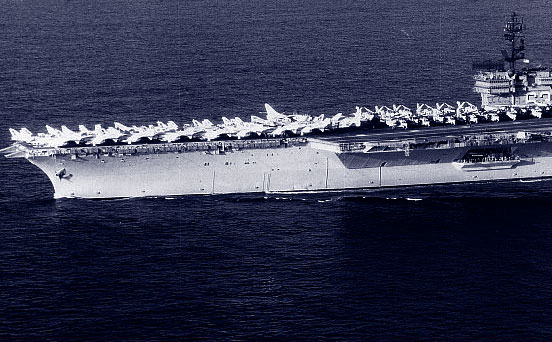
The USS Kitty Hawk riot was the first mass mutiny in the history of the U. S. Navy and were it not for military law, the incident might be passed off as a demonstration.
Following the civil rights demonstrations of the 60s, White people went over board in trying to erase any perceived appearance of racism. When I finished basic training and Engineman A school in 1962 and arrived at the submarine base in New London, Connecticut, I had not yet taken my naval career seriously and started hanging out with a group of young Black sailors who weren’t in the submarine program. It was a time when a Black sailor could get away with anything because everyone was so afraid of the race issue. Go AWOL?, no problem, just start jiving the supervisor. Didn’t finish your assigned tasks?, no problem, just say f—it!
This was also the time when we started protesting to make the Afro haircut a legal regulation style for Black sailors. The navy eagerly capitulated.
Senior White petty officers were sometimes complicit in that they were often afraid to discipline Black sailors for fear of being labeled as “racist”. This eventually led to a disintegration of military order and resentment from White sailors who were often punished for the same infractions. There would be groups of young Black sailors taking over the base recreation centers, barracks lounges, and enlisted clubs where they wouldn’t allow anything other than soul music to be played. Moreover, these young Blacks were mostly stuck in the service ratings because of their poor education and poor scoring on the enlistment exams. Their job performance left them little chance for advancement.
After almost flunking out of submarine school, I gave up hanging out as I could see no benefit to it. These guys were stuck in the same ghetto mindset that I had seen back in the hood in Detroit. I didn’t have to be “cool” to be cool. When I reported to my first submarine duty station, I had made up my mind that I wouldn’t approach my career with that racial chip on my shoulder.
White appeasement fueled by White guilt continued following the assassination of Martin Luther King in 1968 and well into the 1970s.
In 1972, the navy was rocked by a race riot on board the aircraft carrier USS Kitty Hawk.
This incident caused both ripples and over reaction by the navy. The navy created it’s own affirmative action program and ordered every sailor to attend classes on race. The only problem though, was that these classes were often facilitated by angry Black petty officers who were, in my opinion, racist themselves. The first several programs I attended, the facilitator would greet each attendee as they entered the class room with the Black power sign for Blacks and then telling each White sailor that they were “racists”.
Since racism was not a serious problem on submarines, we would bewilder the facilitators with our cavalier attitudes and eventually labeled the classes as “Watermelon U” or “Watermelon Universities”. The programs weren’t helping race relations, they were hurting it. I had a young fellow crew mate who was in tears because the facilitator had called him a racist.
Not only that, but the navy program ignored the other races and ethnic groups that were in the service. Hispanics, Asians, Muslims, etc.
I am starting to see the same old crap resurface again. No matter the inequities, you cannot pander to one group of people without causing a backlash in another. When you tell a White college applicant that he can’t get into college because of a “quota” system, it creates resentment. When a White police officer is afraid to arrest a Black felon because he’s afraid he’ll be videotaped, it creates resentment.
Even the demands for reparations are starting to resurface as well as meaningless laws being proposed. Why do we need a “hate crime” law if it’s only exercised in some cases, but not in others? Why do we need an “anti lynching law”, that also will only be used in certain circumstances and can only be applied once the action is done. An elderly White store owner is dragged out onto the street by a gang of Black thugs and beaten to death with baseball bats. But that’s not “lynching”.
After 300 years, we haven’t learned that you can’t eliminate racism with laws and legislation. Only good people meeting on a common ground can do that.
Oh well, I’ve been here before and it will all pass. There will still be those who blame their poor life decisions on race, there’ll still be those who preach hate and division, and there’ll still be politicians who use the subject of race for their own benefit and do nothing once they’re elected. We once thought the election of a Black man who promised to “heal” America would be the answer. Some even thought he could walk on water. What we found was that he was just another politician with his own agenda and goals.
Any Black person who grew up in the 1970s probably remember it as the era of racial pandering. It was common to be invited to a White friend’s party or social gathering just so they could show off their Black friend. I was often invited to parties by people who loved the way Black people danced. I was not a good dancer. Likewise, I seemed to get picked for all the ship’s basketball games because everyone knew that Blacks were good at basketball. I was lousy at basketball.
But this was also the era of tokenism. Every television show had to have at least one Black person in the cast. Sadly, that one Black was usually cast as a drug dealer or pimp. I hope we’re not going to see a repeat of these same misguided human reactions again. I still can’t dance and I’m still lousy at basketball, just a few years older.
My younger foster brother, Van, embarrassed my older foster brother and me at school when the school counselor asked him what he wanted to be after he graduated. “A pimp”, he said. The counselor got a strange look on his face and asked, “what?”. “A pimp”, Van replied. The counselor closed his notebook, stood up and walked out of the room.
When I applied for the job at Charleston County Park and Recreation, I was initially hired as the mechanic because of my diesel engine training and experience in the navy. The emphasis is on “diesel”. I knew almost nothing about gasoline engines. But, because of that, it was assumed that I knew how to drive a stick shift or manual transmission. I didn’t.
Then, one day, I was directed to drive over to the headquarters building to pick up some mail and drop a package off at the post office. I started walking over to my car since the only company vehicle was a beat up old Chevy pick up we called the “grey goose”. The grey goose was so old that the gear diagrams had long since disappeared. But there’s a point especially with males that the ego takes over and your mouth just won’t form the sentence “I don’t know how”.
I did know a little about clutches from having driven my grand father’s old farm tractor though, so maybe I can just fake it. Luckily the gears in the old grey goose were quite forgiving and I made the trip from our maintenance compound to the headquarters office quite easily. After leaving headquarters, I made it to the James Island post office parking lot also very easily, even managing an intersection stop sign.
The real crisis began leaving the post office. There was an intersection with a stop light and a slight incline. Now it was getting critical, trying to shift gears to move ahead and at the exact moment the light turned green, a car pulls up right behind me. Every time I pressed the clutch, shifted gears and tried to move forward, the truck would move backwards. Finally, the guy behind me decided it was safer to just pull around me. I turned the ignition off, put on my blinkers as though the truck had simply broken down. Then two guys passing by helped me push the truck back into the parking lot.
After several minutes sitting in the parking lot, I just said to heck with it, cranked up the old goose and successfully navigated through Folly Road traffic back to the maintenance compound.
I was so proud of my success, that I even started driving my wife’s little manual trans Honda Civic.
It was like that when I joined the navy. I had jumped off the piers into the Detroit River with my buddies as a kid, but I couldn’t swim a lick. However, I always made sure I was close enough to the pier to be able to grad a hand hold, so I thought and worst case scenario, one of my buddies would come to my rescue. The Detroit River is well known for it’s current.
People ask, if you can’t swim, why join the navy? Well, I wanted to ride submarines and how often would you need to swim if you’re underwater? So, I went through boot camp, taking the mandatory swim classes and after several exhausted efforts of being thrown into the deep part of the pool, I managed to grab the trainer’s rescue pole enough times that I passed the swim requirement.
It would be several years later on a gunboat in Vietnam that I finally really learned to swim. It was a tradition back in the day was that when you made rank or rate as we called it, you got thrown over the side. I was advanced from E4 to E5. When the guys gathered for the traditional toss, I gave them quite a chase until they finally got me cornered and even then, I put up a fight. Telling them I couldn’t swim seemed to make them even more eager to give Durrette the ceremonial toss. After begging and pleading, I got the bright idea that if they let me have a life jacket, I could go through with it willingly.
One of the guys goes down into the cabin and comes out with a life jacket. Only at that time, the navy was still using the inflatable life jackets to conserve space. Each jacket was equipped with a CO2 cartridge and a lanyard you pulled to inflate the jacket. It also had an inflation tube so you could manually blow it up with your lungs if the CO2 didn’t work.
So, feeling confident that this wasn’t my day to die, I offered little resistance and it was one, two, three and off I went. As soon a I hit the water, I grabbed the lanyard and gave it a jerk… nothing. Then as my head started going under, I grabbed the manual inflation tube and started blowing as hard as I could. Sinking for the second time, I could see the bubbles coming from the jacket. Calling on my boot camp swim training, I managed to get back to the boat and the guys pulled me back up on deck, laughing their butts off. OE Wells had removed the CO2 cartridge and punched holes in the jacket. I became a fairly decent swimmer after that
Held at: Dorothy Chandler Pavilion, Los Angeles, California
Hosts: Helen Hayes, Alan King, Sammy Davis, Jr., Jack Lemmon
Eligibility Year: 1971
Cinematic Highlights and Achievements
The French Connection Cleans Up: This crime thriller won, snagging five Oscars, including Best Picture and Best Actor for Gene Hackman.
Jane Fonda’s Breakthrough: Fonda won Best Actress for her role in “Klute,” which also secured an Oscar for Best Supporting Actor for Donald Sutherland.
Disney’s Resurgence: “Bedknobs and Broomsticks” took home the award for Best Visual Effects, showcasing Disney’s persistent prowess in the category.
Noteworthy Trivia
Unusual Host Quartet: This year saw a unique hosting scenario with four hosts: Helen Hayes, Alan King, Sammy Davis, Jr., and Jack Lemmon, who kept the audience engaged throughout the ceremony.
Film Editing Triumph: “The French Connection” nabbed the Best Picture and took home the trophy for Best Film Editing, cementing its place as a technical masterpiece.
Costume Drama: A British period drama, “Nicholas and Alexandra,” won for Best Costume Design, emphasizing the genre’s significance in this particular category.
Best Picture: The French Connection – Philip D’Antoni, producer (WINNER) A Clockwork Orange – Stanley Kubrick, producer Fiddler on the Roof – Norman Jewison, producer The Last Picture Show – Stephen J. Friedman, producer Nicholas and Alexandra – Sam Spiegel, producer
Best Director: William Friedkin – The French Connection (WINNER) Stanley Kubrick – A Clockwork Orange Norman Jewison – Fiddler on the Roof Peter Bogdanovich – The Last Picture Show John Schlesinger – Sunday Bloody Sunday
Best Actor: Gene Hackman – The French Connection as Det. Jimmy “Popeye” Doyle (WINNER) Peter Finch – Sunday Bloody Sunday as Dr. Daniel Hirsch Walter Matthau – Kotch as Joseph P. Kotcher George C. Scott – The Hospital as Dr. Herbert “Herb” Bock Chaim Topol – Fiddler on the Roof as Tevye
Best Actress: Jane Fonda – Klute as Bree Daniels (WINNER) Julie Christie – McCabe & Mrs. Miller as Constance Miller Glenda Jackson – Sunday Bloody Sunday as Alex Greville Vanessa Redgrave – Mary, Queen of Scots as Mary, Queen of Scots Janet Suzman – Nicholas and Alexandra as Empress Alexandra
Best Supporting Actor: Ben Johnson – The Last Picture Show as Sam the Lion (WINNER) Jeff Bridges – The Last Picture Show as Duane Jackson Leonard Frey – Fiddler on the Roof as Motel Kamzoil Richard Jaeckel – Sometimes a Great Notion as Joe Ben Stamper Roy Scheider – The French Connection as Det. Buddy ‘Cloudy’ Russo
Best Supporting Actress: Cloris Leachman – The Last Picture Show as Ruth Popper (WINNER) Ann-Margret – Carnal Knowledge as Bobbie Ellen Burstyn – The Last Picture Show as Lois Farrow Barbara Harris – Who Is Harry Kellerman and Why Is He Saying Those Terrible Things About Me? as Allison Densmore Margaret Leighton – The Go-Between as Mrs. Maudsley
Best Story and Screenplay Based on Factual Material or Material Not Previously Produced or Published: The Hospital – Paddy Chayefsky (WINNER) Investigation of a Citizen Above Suspicion – Elio Petri and Ugo Pirro Klute – Andy Lewis and Dave Lewis Summer of ’42 – Herman Raucher Sunday Bloody Sunday – Penelope Gilliatt
Best Screenplay Based on Material from Another Medium: The French Connection – Ernest Tidyman based on the book by Robin Moore (WINNER) A Clockwork Orange – Stanley Kubrick based on the novel by Anthony Burgess The Conformist – Bernardo Bertolucci based on the novel Il Conformista by Alberto Moravia The Garden of the Finzi-Continis – Vittorio Bonicelli and Ugo Pirro based on the novel by Giorgio Bassani The Last Picture Show – Peter Bogdanovich and Larry McMurtry based on the novel by Larry McMurtry
Best Foreign Language Film: The Garden of the Finzi-Continis (Italy) in Italian – Vittorio De Sica (WINNER) Dodes’ka-den (Japan) in Japanese – Akira Kurosawa The Emigrants (Sweden) in Swedish – Jan Troell The Policeman (Israel) in Hebrew – Ephraim Kishon Tchaikovsky (USSR) in Russian – Igor Talankin
Best Costume Design: Nicholas and Alexandra – Yvonne Blake and Antonio Castillo (WINNER) Bedknobs and Broomsticks – Bill Thomas Death in Venice – Piero Tosi Mary, Queen of Scots – Margaret Furse What’s the Matter with Helen? – Morton Haack
Best Documentary Feature: The Hellstrom Chronicle – Walon Green (WINNER) Alaska Wilderness Lake – Alan Landsburg On Any Sunday – Bruce Brown Ra – Lennart Ehrenborg and Thor Heyerdahl The Sorrow and the Pity – Marcel Ophüls
Best Documentary Short Subject: Sentinels of Silence – Robert Amram and Manuel Arango (WINNER) Adventures in Perception – Han van Gelder Art Is… – Julian Krainin and DeWitt L. Sage, Jr. The Numbers Start with the River – Donald Wrye Somebody Waiting – Sherwood Omens, Hal Riney and Dick Snider
Best Live Action Short Subject: Sentinels of Silence – Robert Amram and Manuel Arango (WINNER) Good Morning – Denny Evans and Ken Greenwald The Rehearsal – Stephen F. Verona
Best Animated Short Subject: The Crunch Bird – Ted Petok (WINNER) Evolution – Michael Mills The Selfish Giant – Peter Sander and Murray Shostak
Best Original Dramatic Score: Summer of ’42 – Michel Legrand (WINNER) Mary, Queen of Scots – John Barry Nicholas and Alexandra – Richard Rodney Bennett Shaft – Isaac Hayes Straw Dogs – Jerry Fielding
Best Scoring: Adaptation and Original Song Score: Fiddler on the Roof – Adapted by John Williams (WINNER) Bedknobs and Broomsticks – Adapted by Irwin Kostal; Song Score by The Sherman Brothers: Robert B. and Richard M. The Boy Friend – Adapted by Peter Maxwell Davies and Peter Greenwell Tchaikovsky – Adapted by Dimitri Tiomkin Willy Wonka & the Chocolate Factory – Adapted by Walter Scharf; Song Score by Leslie Bricusse and Anthony Newley
Best Song Original for the Picture: “Theme from Shaft” from Shaft – Music and Lyrics by Isaac Hayes (WINNER) “The Age of Not Believing” from Bedknobs and Broomsticks – Music and Lyrics by Robert Sherman and Richard Sherman “All His Children” from Sometimes a Great Notion – Music by Henry Mancini; Lyrics by Alan and Marilyn Bergman “Bless the Beasts and Children” from Bless the Beasts and Children – Music and Lyrics by Perry Botkin Jr. and Barry De Vorzon “Life Is What You Make It” from Kotch – Music by Marvin Hamlisch; Lyrics by Johnny Mercer
Best Sound: Fiddler on the Roof – David Hildyard and Gordon K. McCallum (WINNER) Diamonds Are Forever – Gordon K. McCallum, John W. Mitchell and Alfred J. Overton The French Connection – Christopher Newman and Theodore Soderberg Kotch – Richard Portman and Jack Solomon Mary, Queen of Scots – John Aldred and Bob Jones
Best Art Direction: Nicholas and Alexandra – Art Direction: Ernest Archer, John Box, Jack Maxsted and Gil Parrondo; Set Decoration: Vernon Dixon (WINNER) The Andromeda Strain – Art Direction: Boris Leven and William H. Tuntke; Set Decoration: Ruby R. Levitt Bedknobs and Broomsticks – Art Direction: Peter Ellenshaw and John B. Mansbridge; Set Decoration: Hal Gausman and Emile Kuri Fiddler on the Roof – Art Direction: Robert F. Boyle and Michael Stringer; Set Decoration: Peter Lamont Mary, Queen of Scots – Art Direction: Terence Marsh and Robert Cartwright; Set Decoration: Peter Howitt
Best Cinematography: Fiddler on the Roof – Oswald Morris (WINNER) The French Connection – Owen Roizman The Last Picture Show – Robert Surtees Nicholas and Alexandra – Freddie Young Summer of ’42 – Robert Surtees
Best Film Editing: The French Connection – Gerald B. Greenberg (WINNER) The Andromeda Strain – Stuart Gilmore (posthumous nomination) and John W. Holmes A Clockwork Orange – Bill Butler Kotch – Ralph E. Winters Summer of ’42 – Folmar Blangsted
Best Special Visual Effects: Bedknobs and Broomsticks – Danny Lee, Eustace Lycett and Alan Maley (WINNER) When Dinosaurs Ruled the Earth – Jim Danforth and Roger Dicken
Honorary Academy Award: Charlie Chaplin received an honorary award at this ceremony, for “the incalculable effect he has had in making motion pictures the art form of this century”.
Eligibility Year: October 16, 1970 – October 15, 1971
Quick Hits
Carole King’s Sweep: Carole King won multiple awards for her album “Tapestry,” including Album of the Year and Song of the Year for “You’ve Got a Friend.”
Funky Train Ride: Isaac Hayes took home the Best Original Score Written for a Motion Picture or a Television Special for “Shaft.”
Up-and-Comers: The Carpenters won Best Pop Vocal Performance by a Duo, Group, or Chorus for their hit “Carpenters.”
Noteworthy Tidbits
Jazz Milestone: Bill Evans’ “The Bill Evans Album” nabbed the Grammy for Best Jazz Instrumental Album, Soloist.
Country Roots: Jerry Reed’s “When You’re Hot, You’re Hot” clinched the Best Country Vocal Performance, Male.
Harmony in R&B: Aretha Franklin continued her reign as the Queen of Soul by winning Best R&B Vocal Performance, Female for “Bridge over Troubled Water.”
Song of the Year: You’ve Got a Friend – Carole King, songwriter
Best New Artist of the Year: Carly Simon
Best Pop Vocal Performance, Male: You’ve Got a Friend – James Taylor
Best Pop Vocal Performance, Female: Tapestry, Carole King
Best Pop Vocal Performance By a Group: Carpenters, Carpenters
Best Pop Instrumental Performance: Smackwater Jack, Quincy Jones
Best Rhythm and Blues Song: Ain’t No Sunshine – Bill Withers, songwriter
Best Rhythm and Blues Vocal Performance, Male: A Natural Man – Lou Rawls
Best Rhythm and Blues Vocal Performance, Female: Bridge Over Troubled Water – Aretha Franklin
Best Rhythm and Blues Vocal Performance By a Group: Proud Mary – Ike and Tina Turner
Best Jazz Performance By a Soloist: The Bill Evans Album, Bill Evans
Best Jazz Performance By a Group: The Bill Evans Album, Bill Evans Trio
Best Jazz Performance By a Big Band: New Orleans Suite – Duke Ellington
Best Country Song: Help Me Make It Through the Night – Kris Kristofferson, songwriter
Best Country Vocal Performance, Male: When You’re Hot, You’re Hot – Jerry Reed
Best Country Vocal Performance, Female: Help Me Make It Through the Night – Sammi Smith
Best Country Vocal Performance By a Group: After the Fire Is Gone – Conway Twitty and Loretta Lynn
Best Country Instrumental Performance: Snowbird – Chet Atkins
Best Gospel Performance (Other Than Soul Gospel): Let Me Live – Charley Pride
Best Soul Gospel Performance: Put Your Hand in the Hand of the Man From Galilee, Shirley Caesar
Best Sacred Performance: Did You Think to Pray, Charley Pride
Best Ethnic or Traditional Recording: They Call Me Muddy Waters, Muddy Waters (Chess)
Best Instrumental Arrangement: Theme From Shaft – Isaac Hayes and Johnny Allen, arrangers
Best Arrangement Accompanying Vocalist(s): Uncle Albert/Admiral Halsey – Paul McCartney, arranger
Best Instrumental Composition: Theme From Summer of ’42 – Michel Legrand, composer
Best Score From an Original Cast Show Album: Godspell, Stephen Schwartz, composer and producer (Bell)
Best Original Score Written for a Motion Picture or Television Special: Shaft, Isaac Hayes, composer
Album of the Year, Classical: Horowitz Plays Rachmaninoff, Vladimir Horowitz (Columbia)
Best Classical Performance, Orchestra: Mahler, Symphony No. 1 in D Major, Carlo Maria Giulini conducting Chicago Symphony Orchestra
Best Chamber Music Performance: Debussy, Quartet in G Minor, Ravel, Quartet in F Major, Juilliard Quartet
Best Classical Performance, Instrumental Soloist(s) (With Orchestra): Villa-Lobos, Concerto for Guitar, Julian Bream; André Previn conducting London Symphony
Best Classical Performance, Instrumental Soloist(s) (Without Orchestra): Horowitz Plays Rachmaninoff, Vladimir Horowitz
Best Opera Recording: Verdi, Aïda, Erich Leinsdorf conducting London Symphony Orchestra; solos: Price, Domingo, Milnes, Bumbry and Raimondi (RCA)
Best Choral Performance, Classical (Other Than Opera): Berlioz, Requiem, Colin Davis conducting London Symphony Orchestra; Russell Burgess conducting Wandsworth School Boys Choir; Arthur Oldham conducting London Symphony Chorus
Best Classical Vocal Soloist Performance: Leontyne Price Sings Robert Schumann, Leontyne Price
Best Comedy Recording: This Is a Recording, Lily Tomlin (Polydor)
Best Spoken Word Recording: Desiderata, Les Crane (Warner Bros.)
Best Recording for Children: Bill Cosby Talks to Kids About Drugs, Bill Cosby (Uni)
Best Album Cover: Pollution, Dean O. Torrance, album design; Gene Brownell, art director (Prophesy)
Best Album Notes: Sam, Hard and Heavy, Sam Samudio, annotator (Atlantic)
December 26, 1970 – January 22, 1971: My Sweet Lord – George Harrison January 23 – February 12: Knock Three Times – Dawn February 13 – March 19: One Bad Apple – The Osmonds March 20 – April 2: Me and Bobby McGee – Janis Joplin April 3 – April 16: Just My Imagination (Running Away With Me) – The Temptations April 17 – May 28: Joy To The World – Three Dog Night May 29 – July 11: Brown Sugar – The Rolling Stones June 12 – July 18: Want Ads – The Honey Cone June 19 – July 23: It’s Too Late – Carole King July 24 – July 30: Indian Reservation (The Lament Of The Cherokee Reservation Indian) – The Raiders July 31 – August 6: You’ve Got a Friend – James Taylor August 7 – September 3: How Can You Mend A Broken Heart – The Bee Gees September 4 – September 10: Uncle Albert/Admiral Halsey – Paul McCartney & Linda McCartney September 11 – October 1: Go Away Little Girl – Donny Osmond October 2 – November 5: Maggie May – Rod Stewart November 6 – November 19: Gypsys, Tramps & Thieves – Cher November 20 – December 3: Theme From Shaft – Isaac Hayes December 4 – December 24: Family Affair – Sly & The Family Stone December 25, 1971 – – January 14, 1972: Brand New Key – Melanie
(Data is compiled from various charts including Billboard’s “Pop,” “Adult Contemporary,” “Airplay,” “R&B” and “Singles” Charts. “Hot 100” is the primary chart used starting October, 1958)
Richard Roundtree, Jim Morrison, Mick Jagger, Warren Beatty, Sean Connery, Elvis Presley
“The Quotes”
‘Wrong, sir! Wrong! Under section 37B of the contract signed by him, it states quite clearly that all offers shall become null and void if – and you can read it for yourself in this photostatic copy – “I, the undersigned, shall forfeit all rights, privileges, and licenses herein and herein contained,” et cetera, et cetera…”Fax mentis incendium gloria cultum,” et cetera, et cetera…”Memo bis punitor delicatum!” It’s all there, black and white, clear as crystal! You stole fizzy lifting drinks. You bumped into the ceiling, which now has to be washed and sterilized, so you get nothing! You lose! Good day sir!’ -Gene Wilder, as Willy Wonka
“I know what you’re thinking. Did he fire six shots or only five? Well, to tell you the truth, in all this excitement, I’ve kinda lost track myself. But being as this is a .44 Magnum, the most powerful handgun in the world, and would blow your head clean off, you’ve got to ask yourself one question: Do I feel lucky? Well, do ya punk?” – Clint Eastwood, as Harry Callahan, in Dirty Harry
“Is it live, or is it Memorex? “ – Memorex
“You deserve a break today.” – McDonald’s
“Marsha, Marsha, Marsha!” – Maureen McCormick as Jan Brady in The Brady Bunch
“My wife, I think I’ll keep her.” – Geritol
“Like a good neighbor, State Farm is there.” – State Farm Insurance
“My bologna has a first name. It’s O-s-c-a-r. My bologna has a second name. It’s M-e-y-e-r.”
“Try it, you’ll like it.” – Alka Seltzer
“I think this is the most extraordinary collection of talent, of human knowledge, that has ever been gathered at the White House, with the possible exception of when Thomas Jefferson dined alone.” – President John F. Kennedy, to 49 Nobel Laureates invited for dinner at the White House.
Time Magazine’s Man of the Year
Richard Nixon
Miss America
Phyllis George (Denton, TX)
Miss USA
Michele McDonald (Pennsylvania)
The Scandals and Crimes
Ex-Beatle George Harrison plagiarized the Chiffons’ He’s So Fine with his hit My Sweet Lord.
On November 24, 1971, an unidentified man (Dan “D.B.” Cooper) hijacked a plane in the northwest United States, obtained $200,000 in ransom money), and parachuted into the night, never to be heard from again.
Charles Manson (who DID NOT audition for the Monkees) and three of his followers were convicted of killing Sharon Tate and six others in 1969.
Airplane Celebrity Death: Audie Murphy
Rock and Roll Deaths: Duane Allman (motorcycle crash), Jim Morrison (pretty young for the official “heart failure”, some suggest it was the massive amount of drugs in his system)
US Politics
After the Watergate scandal broke, Richard Nixon still won the 1972 election by winning 49 out of 50 states for a whopping 520 electoral votes.
1971 Pop Culture Facts & History
Ray Tomlinson invented internet-based email.
The first Starbucks opened at the Pike Place Market in Seattle, Washington.
Taco Bell was started in Downey, California, and founded by Glen Bell.
Century 21 Real Estate LLC opened its doors in Orange County, California.
Golf is the only sport that has been played on the moon, because on February 6th, 1971, Alan Shepard hit a golf ball.
Gillette introduced the Trac II razor, the first double-blade shaving tool.
The Intel 4004 was the first microprocessor.
Based on an earlier cooker called the ‘Beanery,’ the Crock-Pot sold its first of over 100 million in 1971.
Cost of a Super Bowl ad in 1971: $72,000
1st Appearances & 1971’s Most Popular Christmas Gifts, Toys and Presents
Weebles, Landslide, Big Jim action figures, Space Hoppers, Klackers, Etch-A-Sketch in New HOT PINK or COOL BLUE frames, Uno
Best Film Oscar Winner
Patton (presented in 1971)
East End Show
No Sex Please, We’re British (Play) Opened on June 3, 1971, and closed on January 16, 1987
Popular and Best-selling Books From 1971
A Theory of Justice by John Rawls The Betsy by Harold Robbins Blackmark by Archie Goodwin and Gil Kane The Complete Stories by Flannery O’Connor The Day of the Jackal by Frederick Forsyth The Drifters by James A. Michener The Exorcist by William P. Blatty Fear and Loathing in Las Vegas by Hunter S. Thompson Go Ask Alice by Beatrice Sparks? In the Shadow of Man by Jane Goodall Island of the Blue Dolphins by Scott O’Dell Message From Malaga by Helen MacInnes Love Story by Erich Segal The New Left: The Anti-Industrial Revolution by Ayn Rand The Other by Tom Tryon Our Bodies, Ourselves by Boston Women’s Health Book Collective The Pagan Rabbi by Cynthia Ozick The Passions of the Mind by Irving Stone QB VII by Leon Uris Rabbit Redux by John Updike Wheels by Arthur Hailey The Winds of War by Herman Wouk
1971 Most Popular TV Shows
1. All in the Family (CBS) 2. The Flip Wilson Show (NBC) 3. Marcus Welby, M.D. (ABC) 4. Gunsmoke (CBS) 5. Sanford and Son (NBC) 6. Mannix (CBS) 7. Funny Face (CBS) 8. Adam 12 (NBC) 9. The Mary Tyler Moore Show (CBS) 10. Here’s Lucy (CBS)
1971 Billboard Number One Songs
December 26, 1970 – January 22, 1971: My Sweet Lord – George Harrison
January 23 – February 12: Knock Three Times – Dawn
February 13 – March 19: One Bad Apple – The Osmonds
March 20 – April 2: Me and Bobby McGee – Janis Joplin
April 3 – April 16: Just My Imagination (Running Away With Me) – The Temptations
April 17 – May 28: Joy To The World – Three Dog Night
May 29 – July 11: Brown Sugar – The Rolling Stones
June 12 – July 18: Want Ads – The Honey Cone
June 19 – July 23: It’s Too Late – Carole King
July 24 – July 30: Indian Reservation (The Lament Of The Cherokee Reservation Indian) – The Raiders
July 31 – August 6: You’ve Got a Friend – James Taylor
August 7 – September 3: How Can You Mend A Broken Heart – The Bee Gees
September 4 – September 10: Uncle Albert/Admiral Halsey – Paul McCartney & Linda McCartney
September 11 – October 1: Go Away Little Girl – Donny Osmond
October 2 – November 5: Maggie May – Rod Stewart
November 6 – November 19: Gypsies, Tramps & Thieves – Cher
November 20 – December 3: Theme From Shaft – Isaac Hayes
December 4 – December 24: Family Affair – Sly & The Family Stone
December 25, 1971 – January 14, 1972: Brand New Key – Melanie
Sports
World Series Champions: Pittsburgh Pirates Super Bowl V Champions: Baltimore Colts NBA Champions: Milwaukee Bucks Stanley Cup Champs: Montreal Canadiens U.S. Open Golf Jack Nicklaus U.S. Tennis: (Men/Ladies) Stan Smith/Billie Jean King Wimbledon (Men/Women): John Newcombe NCAA Football Champions: Nebraska NCAA Basketball Champions: UCLA Kentucky Derby: Canonero II
971 Oscars 43rd Academy Awards: A Night of Cinematic Marvels
Winners Announced: April 15, 1971 Held at: Dorothy Chandler Pavilion, Los Angeles, California Host: no one (34 presenters) Eligibility Year: 1970
The Night’s Big Winners and Memorable Moments
Patton Sweeps the Night: The biographical war film about General George S. Patton captured seven Oscars, including Best Picture and Best Director for Franklin J. Schaffner.
George C. Scott’s No-Show: The leading man for Patton, George C. Scott, won Best Actor but famously refused the award, citing disdain for the competitive nature of acting awards.
First Solo Female Director Nominee: Barbara Loden was the first woman nominated for Best Director for her groundbreaking film Wanda.
Movie Trivia You Didn’t Know You Needed
34 Presenters But No Host: This year, the Oscars went without a host, instead opting for many presenters. This became an interesting format experiment, although not a frequently repeated one.
Cicely Tyson’s Historic Nomination: Actress Cicely Tyson was nominated for her role in Sounder, becoming only the second African American woman to be nominated for Best Actress.
First Televised Nomination Announcements: This was the year the Oscar nominations were televised for the first time, adding yet another layer of suspense and public interest to the proceedings.
Helen Hayes was the first performer in lead and supporting categories to win Oscars.
The documentary film Woodstock garnered three Oscar nominations, making it the most nominated documentary film in Oscar history.
Best Picture: Patton – Frank McCarthy, producer (WINNER) Airport – Ross Hunter, producer Five Easy Pieces – Bob Rafelson and Richard Wechsler, producers Love Story – Howard G. Minsky, producer M*A*S*H – Ingo Preminger, producer
Best Director: Franklin J. Schaffner – Patton (WINNER) Federico Fellini – Fellini Satyricon Arthur Hiller – Love Story Robert Altman – M*A*S*H Ken Russell – Women in Love
Best Actor: George C. Scott – Patton as General George S. Patton (declined) (WINNER) Melvyn Douglas – I Never Sang for My Father as Tom Garrison James Earl Jones – The Great White Hope as Jack Jefferson Jack Nicholson – Five Easy Pieces as Robert Eroica Dupea Ryan O’Neal – Love Story as Oliver Barrett IV
Best Actress: Glenda Jackson – Women in Love as Gundrun Brangwen (WINNER) Jane Alexander – The Great White Hope as Eleanor Backman Ali MacGraw – Love Story as Jennifer “Jenny” Cavalleri Sarah Miles – Ryan’s Daughter as Rosy Ryan Carrie Snodgress – Diary of a Mad Housewife as Bettina “Tina” Balser
Best Supporting Actor: John Mills – Ryan’s Daughter as Michael (WINNER) Richard S. Castellano – Lovers and Other Strangers as Frank Vecchio Chief Dan George – Little Big Man as Old Lodge Skins Gene Hackman – I Never Sang for My Father as Gene Garrison John Marley – Love Story as Phil Cavalleri
Best Supporting Actress: Helen Hayes – Airport as Ada Quonsett (WINNER) Karen Black – Five Easy Pieces as Rayette Dipesto Lee Grant – The Landlord as Joyce Enders Sally Kellerman – M*A*S*H as Margaret “Hot Lips” Houlihan Maureen Stapleton – Airport as Inez Guerrero
Best Story and Screenplay Based on Factual Material or Material Not Previously Published or Produced: Patton – Francis Ford Coppola and Edmund H. North (WINNER) Five Easy Pieces – Screenplay by Adrien Joyce; Story by Bob Rafelson and Adrien Joyce Joe – Norman Wexler Love Story – Erich Segal My Night at Maud’s – Éric Rohmer
Best Screenplay Based on Material from Another Medium: M*A*S*H – Ring Lardner Jr. based on the novel by Richard Hooker (WINNER) Airport – George Seaton based on the novel by Arthur Hailey I Never Sang for My Father – Robert Woodruff Anderson based on his play Lovers and Other Strangers – Renée Taylor, Joseph Bologna and David Zelag Goodman based on the play by Joseph Bologna and Renée Taylor Women in Love – Larry Kramer based on the novel by D. H. Lawrence
Best Documentary Feature: Woodstock – Michael Wadleigh (WINNER) Erinnerungen an die Zukunft – Harald Reinl (Released in English language version under title “Chariots of the Gods?”) Jack Johnson – Jimmy Jacobs King: A Filmed Record… Montgomery to Memphis – Ely Landau Say Goodbye – David H. Vowell
Best Documentary Short Subject: Interviews with My Lai Veterans – Joseph Strick (WINNER) The Gifts A Long Way from Nowhere Oisin Time Is Running Out
Best Live Action Short Subject: The Resurrection of Broncho Billy – John Longenecker (WINNER) Shut Up…I’m Crying – Robert Siegler Sticky My Fingers…Fleet My Feet – John D. Hancock
Best Short Subject – Cartoons: Is It Always Right to Be Right? – Nick Bosustow (WINNER) The Further Adventures of Uncle Sam: Part Two – Robert Mitchell and Dale Case The Shepherd – Cameron Guess
Best Original Score: Love Story – Francis Lai (WINNER) Airport – Alfred Newman (posthumous nomination) Cromwell – Frank Cordell Patton – Jerry Goldsmith I Girasoli – Henry Mancini
Best Original Song Score: Let It Be – Music and Lyrics by The Beatles: John Lennon, Paul McCartney, George Harrison, and Ringo Starr (WINNER) The Baby Maker – Music by Fred Karlin; Lyrics by Tylwyth Kymry A Boy Named Charlie Brown – Music by Rod McKuen and John Scott Trotter; Lyrics by Rod McKuen, Bill Melendez, and Al Shean; Adapted by Vince Guaraldi Darling Lili – Music by Henry Mancini; Lyrics by Johnny Mercer Scrooge – Music and Lyrics by Leslie Bricusse; Adapted by Ian Fraser and Herbert W. Spencer
Best Song Original for the Picture: “For All We Know” – Lovers and Other Strangers • Music by Fred Karlin • Lyrics by Robb Royer (Robb Wilson) and Jimmy Griffin (Arthur James) (WINNER) “Whistling Away the Dark” – Darling Lili • Music by Henry Mancini • Lyrics by Johnny Mercer “Till Love Touches Your Life” – Madron • Music by Riz Ortolani • Lyrics by Arthur Hamilton “Pieces of Dreams” – Pieces of Dreams • Music by Michel Legrand • Lyrics by Alan Bergman and Marilyn Bergman “Thank You Very Much” – Scrooge • Music and Lyrics by Leslie Bricusse
Best Sound: Patton – Douglas Williams and Don Bassman (WINNER) Airport – Ronald Pierce and David H. Moriarty Ryan’s Daughter – Gordon McCallum and John Bramall Tora! Tora! Tora! – Murray Spivack and Herman Lewis Woodstock – Dan Wallin and L. A. Johnson
Best Foreign Language Film: Investigation of a Citizen Above Suspicion (Italy) (WINNER) First Love (Switzerland) Hoa-Binh (France) Paix sur les champs (Belgium) Tristana (Spain)
Best Costume Design: Cromwell – Vittorio Nino Novarese (WINNER) Airport – Edith Head Darling Lili – Donald Brooks and Jack Bear The Hawaiians – Bill Thomas Scrooge – Margaret Furse
Best Art Direction: Patton – Art Direction: Urie McCleary and Gil Parrondo; Set Decoration: Antonio Mateos and Pierre-Louis Thévenet (WINNER) Airport – Art Direction: Alexander Golitzen and E. Preston Ames; Set Decoration: Jack D. Moore and Mickey S. Michaels The Molly Maguires – Art Direction: Tambi Larsen; Set Decoration: Darrell Silvera Scrooge – Art Direction: Terence Marsh and Bob Cartwright; Set Decoration: Pamela Cornell Tora! Tora! Tora! – Art Direction: Jack Martin Smith, Yoshiro Muraki, Richard Day, and Taizoh Kawashima; Set Decoration: Walter M. Scott, Norman Rockett and Carl Biddiscombe
Best Cinematography: Ryan’s Daughter – Freddie Young (WINNER) Airport – Ernest Laszlo Patton – Fred J. Koenekamp Tora! Tora! Tora! – Charles F. Wheeler, Osami Furuya, Masamichi Satoh, and Sinsaku Himeda Women in Love – Billy Williams
Best Film Editing: Patton – Hugh S. Fowler (WINNER) Airport – Stuart Gilmore M*A*S*H – Danford B. Greene Tora! Tora! Tora! – James E. Newcom, Pembroke J. Herring, and Inoue Chikaya Woodstock – Thelma Schoonmaker
Best Special Visual Effects: Tora! Tora! Tora! – A. D. Flowers and L. B. Abbott (WINNER) Patton – Alex Weldon
Winners Announced: March 16, 1971 Held at: Hollywood Palladium, Los Angeles, California Host: Andy Williams Eligibility Year: November 2, 1969 – October 15, 1970
Award Highlights and Musical Milestones
Bridge Over Troubled Water Triumphs: The iconic duo Simon & Garfunkel walked away with six Grammys for their album Bridge Over Troubled Water, including Album of the Year.
Country Breaks Through: Ray Stevens won Song of the Year for his heartwarming tune Everything Is Beautiful, showcasing the growing influence of country music in mainstream culture.
A Cappella Magic: The Manhattan Transfer earned their first Grammy Award in the Best New Artist category, making waves with their unique a cappella stylings.
Trivia and Little-Known Facts
Andy Williams, the Charming Host: Andy Williams, also known for his holiday specials, was the evening’s host, adding a touch of nostalgic elegance.
Dynamic Duos: Simon & Garfunkel’s Album of the Year win was unusual for a duo, a trend that would become more frequent in the years to come.
Eligibility Tweaks: Notice that the eligibility year cut-off changed, ending on October 15th instead of November. It would continue to shift in subsequent years.
Record of the Year: Bridge Over Troubled Water – Simon and Garfunkel
Album of the Year: Bridge Over Troubled Water, Simon and Garfunkel (Columbia)
Song of the Year: Bridge Over Troubled Water – Paul Simon, songwriter
Best New Artist of the Year: Carpenters
Best Contemporary Song: Bridge Over Troubled Water – Paul Simon, songwriter
Best Contemporary Vocal Performance, Male: Everything Is Beautiful – Ray Stevens
Best Contemporary Vocal Performance, Female: I’ll Never Fall in Love Again, Dionne Warwick
Best Contemporary Vocal Performance By a Group: Close to You – Carpenters
Best Contemporary Instrumental Performance: Theme From Z and Other Film Music, Henry Mancini
Best Rhythm and Blues Song: Patches – Ronald Dunbar and General Johnson, songwriters
Best Rhythm and Blues Vocal Performance, Male: The Thrill Is Gone – B.B. King
Best Rhythm and Blues Vocal Performance, Female: Don’t Play That Song – Aretha Franklin
Best Rhythm and Blues Vocal Performance By a Duo or Group: Didn’t I (Blow Your Mind This Time) – Delfonics
Best Jazz Performance, Small Group or Soloist With Small Group: Alone, Bill Evans
Best Jazz Performance, Large Group or Soloist With Large Group: Bitches Brew, Miles Davis
Best Country Song: My Woman, My Woman, My Wife – Marty Robbins, songwriter
Best Country Vocal Performance, Male: For the Good Times – Ray Price
Best Country Vocal Performance, Female: Rose Garden – Lynn Anderson
Best Country Performance By a Duo or Group: If I Were a Carpenter – Johnny Cash and June Carter
Best Country Instrumental Performance: Me and Jerry, Chet Atkins and Jerry Reed
Best Gospel Performance (Other Than Soul Gospel): Talk About the Good Times – Oak Ridge Boys
Best Soul Gospel Performance: Every Man Wants to Be Free – Edwin Hawkins Singers
Best Sacred Performance: Everything Is Beautiful – Jake Hess
Best Ethnic or Traditional Recording: Good Feelin’ – T-Bone Walker (Polydor)
Best Instrumental Arrangement: Theme From Z – Henry Mancini, arranger
Best Arrangement Accompanying Vocalist(s): Bridge Over Troubled Water – Paul Simon, Arthur Garfunkel, Jimmie Haskell, Ernie Freeman and Larry Knechtel, arrangers
Best Instrumental Composition: Airport Love Theme – Alfred Newman, composer
Best Score From an Original Cast Show Album: Company, Stephen Sondheim, composer (Columbia)
Best Original Score Written for a Motion Picture or Television Special: Let It Be, John Lennon, Paul McCartney, George Harrison and Ringo Starr, composers
Album of the Year, Classical: Berlioz, Les Troyens, Colin Davis conducting Royal Opera House Orchestra and Chorus; solos: Vickers, Veasey and Lindholm (Philips)
Best Classical Performance, Orchestra: Stravinsky, Le Sacre du Printemps, Pierre Boulez conducting Cleveland Orchestra
Best Chamber Music Performance: Beethoven, The Complete Piano Trios, Eugene Istomin, Isaac Stern and Leonard Rose
Best Classical Performance, Instrumental Soloist(s) (With or Without Orchestra): Brahms, Double Concerto (Concerto in A Minor for Violin and Cello), David Oistrakh and Mstislav Rostropovich
Best Choral Performance (Other Than Opera): New Music of Charles Ives, Gregg Smith conducting Gregg Smith Singers and Columbia Chamber Ensemble
Best Opera Recording: Berlioz, Les Troyens, Colin Davis conducting Royal Opera House Orchestra and Chorus; solos: Vickers, Veasey and Lindholm (Philips)
Best Vocal Soloist Performance, Classical: Schubert, Lieder, Dietrich Fischer-Dieskau
Best Comedy Recording: The Devil Made Me Buy This Dress, Flip Wilson (Little David)
Best Spoken Word Recording: Why I Oppose the War in Vietnam, Dr. Martin Luther King, Jr. (Black Forum)
Best Recording for Children: Sesame Street, Sesame Street cast (Columbia)
Best Album Cover: Indianola Mississippi Seeds, Robert Lockart, cover design; Ivan Nagy, photography (ABC)
Best Album Notes: The World’s Greatest Blues Singer, Chris Albertson, annotator (Columbia)
December 27, 1969 – January 2, 1970:
Someday We’ll Be Together – Diana Ross & The Supremes
January 3 – January 30:
Raindrops Keep Fallin’ On My Head – B. J. Thomas
January 31 – February 6:
I Want You Back – The Jackson 5
February 7 – February 13:
Venus – The Shocking Blue
February 14 – February 27:
Thank You (Falettinme Be Mice Elf Agin) – Sly & The Family Stone
February 28 – April 10:
Bridge Over Troubled Water – Simon & Garfunkel
April 11 – April 24:
Let It Be – The Beatles
April 25 – May 8:
ABC – The Jackson 5
May 9 – May 29:
American Woman – The Guess Who
May 30 – June 12:
Everything Is Beautiful – Ray Stevens
June 13 – June 26:
The Long And Winding Road – The Beatles
June 27 – July 10:
The Love You Save – The Jackson 5
July 11 – July 24:
Mama Told Me (Not To Come) – Three Dog Night
July 25 – August 21:
(They Long To Be) Close To You – The Carpenters
August 22 – August 28:
Make It With You – Bread
August 29 – September 18:
War – Edwin Starr
September 19 – October 9:
Ain’t No Mountain High Enough – Diana Ross
October 10 – October 16:
Cracklin’ Rosie – Neil Diamond
October 17 – November 20:
I’ll Be There – The Jackson 5
November 21 – December 12:
I Think I Love You – The Partridge Family
December 12 – December 25:
The Tears of a Clown – Smokey Robinson & The Miracles
December 26, 1970 – January 22, 1971:
My Sweet Lord – George Harrison
(Data is compiled from various charts including Billboard’s “Pop,” “Airplay,” “R&B” and “Singles” Charts. “Hot 100” is the primary chart used starting October, 1958)
World Changing Event: The United States stopped commercial whale hunting.
Music Changing Event: The Beatles disbanded
How Much is Peanut Butter? In 1959, the FDA proposed a standard for peanut butter that was not finalized until a decision by the U.S District Court of Appeals in 1970. The final standard required a 90% peanut content.
The Top Song was Bridge Over Troubled Water by Simon & Garfunkle
Influential Songs include 25 or 6 to 4 by Chicago, Get Up by James Brown, Ball of Confusion by The Temptations, and Lola by The Kinks.
The Movies to Watch include M*A*S*H, Woodstock, Patton, Five Easy Pieces, Patton, Love Story, Catch 22, Tora! Tora! Tora!, THX 1138, and The Aristocats.
San Diego Comic-Con International opened at the Grant Hotel
The Most Famous Person in America was probably Paul Newman
Notable books include The Late, Great Planet Earth by Hal Lindsey and Love Story by Erich Segal
Price of a movie ticket in 1970: $1.55
On March 12, the US voting age was lowered to 18 from 21.
Movie Rating “M” changed to “PG”
The Funny Troupe was Firesign Theater The Funny Late Night Host: Johnny Carson
The Conversation: Students Allison Krause and Jeffrey Miller, Sandra Scheuer, and William Knox Schroeder were shot and killed by the National Guard at Kent State, Ohio. Nine more were wounded. The conversation about the Vietnam War peaked at this time.
January 5 – All My Children Premiered: The soap opera All My Children aired its first ABC episode, becoming a daytime television staple.
January 11 – Kansas City Chiefs Won Super Bowl IV: The Kansas City Chiefs defeated the Minnesota Vikings 23–7 in Super Bowl IV, securing their first NFL championship.
January 14 – Diana Ross & The Supremes Performed Farewell Concert: Diana Ross & The Supremes gave their final performance together at the Frontier Hotel in Las Vegas before Ross embarked on a solo career.
February 11 – Japan Launched First Satellite: Japan successfully launched its first satellite, Ohsumi, becoming the fourth nation to enter space.
March 5 – Nuclear Non-Proliferation Treaty Enacted: The Nuclear Non-Proliferation Treaty (NPT) went into effect to prevent the spread of nuclear weapons.
April 10 – Paul McCartney Announced Departure from The Beatles: Paul McCartney announced his departure, signaling the end of the iconic band.
April 13 – Apollo 13 Experienced In-Flight Emergency: NASA’s Apollo 13 mission suffered an oxygen tank explosion en route to the Moon, leading to the famous phrase, “Okay, Houston, we’ve had a problem here.”
May 4 – Kent State Shootings Occurred: Ohio National Guardsmen fired on students protesting the Cambodian Campaign at Kent State University, killing four and wounding nine.
May 31 – Ancash Earthquake Devastated Peru: A magnitude 7.9 earthquake struck Ancash, Peru, triggering landslides and avalanches that killed an estimated 66,000–70,000 people.
June 4 – Tonga Gained Independence: Tonga became independent from the United Kingdom, ending 70 years of British protectorate status.
June 21 – Brazil Won FIFA World Cup: Brazil defeated Italy 4–1 in the FIFA World Cup final in Mexico City, becoming the first team to win the World Cup three times.
July 21 – Aswan High Dam Completed: The Aswan High Dam in Egypt was completed, allowing for control of the Nile’s flooding and increased hydroelectric power.
September 18 – Jimi Hendrix Passed Away: Renowned guitarist Jimi Hendrix died in London at 27, leaving a lasting impact on rock music. #27club
October 4 – Janis Joplin Found Dead: Blues singer Janis Joplin was found dead in her Los Angeles hotel room from a heroin overdose at age 27. #27club
October 5 – FLQ Crisis Began in Canada: The Front de libération du Québec (FLQ) kidnapped British diplomat James Cross in Montreal, initiating the October Crisis.
November 17 – Luna 17 Deployed Lunokhod 1 on the Moon: The Soviet Union’s Luna 17 mission successfully deployed Lunokhod 1, the first remote-controlled robotic rover to operate on the Moon.
November 21 – Bhola Cyclone Struck East Pakistan: The Bhola cyclone made landfall in East Pakistan (now Bangladesh), killing an estimated 500,000 people in the deadliest tropical cyclone on record.
December 2 – Environmental Protection Agency Established: The United States Environmental Protection Agency (EPA) was established to coordinate programs to reduce pollution and protect the environment.
December 15 – Soviet Venera 7 Landed on Venus: The Soviet spacecraft Venera 7 became the first human-made object to land on Venus and transmit data back to Earth successfully.
December 31 – Congress Approved National Public Radio: The U.S. Congress approved the Public Broadcasting Service, establishing National Public Radio (NPR) as a national network.
Dyan Cannon, Veronica Carlson, Catherine Deneuve, Barbara Eden, Barbara Feldon, Jane Fonda, Goldie Hawn, Peggy Lipton, Ann-Margret, Caroline Munro, Ingrid Pitt, Diana Rigg, Diana Ross, Cheryl Tiegs, Tina Turner, Twiggy, Raquel Welch
Leading Men and Hollywood Heartthrobs
Warren Beatty, Tom Jones, Jim Morrison, Elvis Presley
“The Quotes”
“It’s not easy being green.” – Kermit the Frog
“I told my coach, ‘Jimi Hendrix just died, and I’m quitting the team to become a guitar player.’” – Joe Satriani
“Love means never having to say you’re sorry.” – Ali MacGraw in Love Story
“It’s the real thing.” – Coca-Cola
Time Magazine’s Man of the Year
Willy Brandt
Miss America
Pamela Eldred (West Bloomfield, MI)
Miss USA
Deborah Shelton (Virginia)
The Scandal/Nerd News
Project Bluebook was the U.S. government’s study of UFOs from 1952 through 1970. A 14-part report was issued, but chapter 13 was mysteriously missing. It still is.
World & US History
The Treaty on the Non-Proliferation of Nuclear Weapons, commonly known as the Non-Proliferation Treaty or NPT, was signed. The goal is to prevent the spread of nuclear weapons and weapons technology to promote cooperation in the peaceful uses of atomic energy.
The Expo ’70 World’s Fair opened in Suita, Osaka, Japan.
An unsuccessful attempt to land on the moon was postponed with the Apollo 13 mission to the moon accident. Astronauts James Lovell, John Swigert, and Fred Haise all survived.
Four students at Kent State University in Ohio, USA, were killed and nine wounded by Ohio National Guardsmen at a protest against the incursion into Cambodia. #KentStateShootings
Four days after the Kent State Shooting, The Hard Hat Riot took place. Unionized construction workers attacked about 1,000 students and others protesting the Kent State shootings near the intersection of Wall Street and Broad Street and at New York City Hall.
The first Earth Day was celebrated.
The U.S. Environmental Protection Agency (EPA ) began operations.
The Public Health Cigarette Smoking Act was signed, banning cigarette television advertisements in the United States as of January 1, 1971.
The Liberian-registered tanker Pacific Glory spilled nearly 100,000 gallons of crude oil into the English Channel.
The ‘Chicago Seven’ defendants were found guilty of intent to incite a riot at the Democrat National Convention in Chicago (1968). The Court of Appeals later overturned it.
The US lowered the voting age to 18 from 21.
The World Intellectual Property Organization (WIPO) was founded. Also, the Patent Cooperation Treaty was signed into international law, providing a unified procedure for filing and protecting patent applications.
RIP Rock Stars
September 18 – American musician Jimi Hendrix died at age 27 from an overdose of sleeping pills. #27club October 4 – American singer Janis Joplin died at age 27 from an overdose of drugs. #27club
1970 Pop Culture Facts & History
The ‘blue raspberry’ flavor was created by the makers of ICEEs in 1970 to distinguish raspberry from their popular cherry flavor.
The longest-running active commercial is the Tootsie Pop ‘How Many Licks’ ad in 1970.
Tarawood Antigone, a four-year-old Burmese cat, gave birth to 19 kittens. Fourteen males and one female survived from the litter in Oxfordshire, UK.
A fighter pilot, Captain Gary Faust, was forced to eject during a training mission. His plane, a Convair F-106 Delta Dart, later righted itself and continued flying for miles, touching down gently in a farmer’s field. It earned the nickname “The Cornfield Bomber.”
The Microprocessor was invented.
The Ford Pinto, The Chevrolet Vega, the Citroën SM, and the AMC Gremlin were introduced.
The world’s first jumbo-jet, the Boeing 747, carried out the first commercial flight.
Unix time (aka Epoch time, POSIX time, UNIX Epoch time) is a system for describing a point in time. It is the number of seconds that have elapsed since the Unix epoch, which is the time 00:00:00 UTC on January 1, 1970, minus leap seconds.
The word ‘Spam’ used in junk emails comes from a sketch on BBC’s Monty Python’s Flying Circus from 1970.
23-year-old Gary Anderson created the recycling logo in 1970 for a design contest.
The North Tower of the World Trade Center in New York City reached 1,368 feet, making it the tallest building in the world.
Grace Slick (Jefferson Airplane) made a plan to slip President Richard Nixon 600 micrograms of LSD when she was invited to a tea party at the White House by Nixon’s daughter in 1970, but she was turned away by security at the door.
Rocker Peter Gabriel played the flute part on the 1970 track Katmandu by Cat Stevens.
George Harrison was the first and last Beatle to have a U.S. No.1 with My Sweet Lord in 1970 and Got My Mind Set on You in 1988.
Jim Morrison was found guilty of “open profanity and indecent exposure” after allegedly exposing himself at a concert in Miami in 1969.
The Isle of Wight Festival 1970 took place. Artists included Jimi Hendrix, The Who, The Doors, Chicago, Richie Havens, John Sebastian, Joan Baez, Ten Years After, Emerson, Lake & Palmer, The Moody Blues and Jethro Tull.
In 1970, Totes brought the first quality folding umbrella to U.S. markets.
Elvis Presley met US President Richard Nixon in the White House.
US President Richard Nixon signed a bill (The Public Health Cigarette Smoking Act) limiting cigarette advertisements as of Jan 1, 1971.
President Richard Nixon signed the Occupational Safety and Health Act into law in December.
The US Environmental Protection Agency (EPA ) began operating.
The Patent Cooperation Treaty was signed into international law, providing a unified procedure for filing patent applications to protect inventions.
Douglas Engelbart received the patent (#3,541,541) for the first computer mouse, an “X-Y position indicator for a display system.”
The Weather Bureau was renamed the National Weather Service as part of NOAA.
Alvin Toffler published his book Future Shock.
The American Football League and the NFL merged, creating the National Football Conference and the American Football Conference.
Krazy Glue was introduced in 1970, although the main ingredient, cyanoacrylate, was discovered in 1942 by Harry Coover while working for Kodak.
On January 5 – The first episode of the soap opera All My Children was broadcast on the ABC.
On January 22, the Boeing 747 made its first commercial passenger trip to London.
January 25, 1970, M*A*S*H, directed by Robert Altman and starring Donald Sutherland and Elliott Gould, was released.
On Friday, February 13, Black Sabbath’s debut album was released. It is often regarded as the first true heavy metal album.
On March 5, Airport, based on the book by Arthur Hailey, directed by George Seaton and starring Burt Lancaster and Dean Martin, was released.
March 21, 1970 – The first San Diego Comic-Con International opened at the US Grant Hotel.
June 7, 1970: The Who became the first to perform rock music (the rock opera, Tommy) at the Metropolitan Opera House, New York.
On July 4, Casey Kasem’s American Top 40 debuted on LA radio station KIIS in syndication.
August 12, 1970 – The United States Postal Service was made independent in a postal reform measure for the first time since its creation.
On September 13th, the first New York City Marathon began. Only 55 people finished it.
September 21 – Monday Night Football debuted on ABC. The Cleveland Browns defeated the New York Jets 31–21 in front of more than 85,000 fans at Cleveland Stadium.
Sep 30: The New American Bible was published. It is the only translation approved for use at Mass in the Roman Catholic dioceses of the United States and has been revised several times.
On October 4, the National Educational Television ended operations, succeeded by PBS (Public Broadcasting System) on October 5.
October 26 – Garry Trudeau’s comic strip Doonesbury debuted in approximately two dozen newspapers in the United States.
December 16: Love Story, a film based on the novel by Erich Segal, directed by Arthur Hiller and starring Ryan O’Neal and Ali McGraw, was released.
Whataburger in Texas and What-A-Burger in Virginia opened about the same time in 1950, but they didn’t know of each other’s existence until 1970. They both sued the other, but the court ruled that customers would not likely be confused about whether the burgers served came from Texas or Virginia.
Cost of a Super Bowl ad in 1970: $78,000
Pop Culture Mystery
Isdal Woman Mystery: In November 1970, the badly burned body of a woman was found in a remote spot in Norway’s Isdalen valley. Someone had cut the labels off her clothes and scraped distinctive marks off her belongings. Police uncovered a trail of coded messages, disguises, and fake identities.
The Habit
The cool kids were reading Garry Trudeau’s Doonesbury comic strip.
1st Appearances & 1970’s Most Popular Christmas Gifts, Toys and Presents
Stylophone musical toy, Mastermind, Whizzer
Best Film Oscar Winner
Midnight Cowboy (presented in 1970)
Broadway Show
Sleuth (Play) Opened on November 12, 1970, and closed on October 13, 1973
Popular and Best-selling Books From 1970
Are You There, God? It’s Me, Margaret by Judy Blume Bless the Beasts and Children by Glendon Swarthout Bury My Heart at Wounded Knee by Dee Brown The Crystal Cave by Mary Stewart Deliverance by James Dickey Everything You Always Wanted to Know About Sex* (*But Were Afraid to Ask) by David Reuben The French Lieutenant’s Woman by John Fowles The Gang That Couldn’t Shoot Straight by Jimmy Breslin The Godfather by Mario Puzo Great Lion of God by Taylor Caldwell The Greening of America by Charles A. Reich In the Night Kitchen by Maurice Sendak Islands in the Stream by Ernest Hemingway The Late, Great Planet Earth by Hal Lindsey Love Story by Erich Segal Play As It Lays by Joan Didion QB VII by Leon Uris Rich Man, Poor Man by Irwin Shaw The Secret Woman by Victoria Holt The Selling of the President 1968 by Joe McGinniss The Sensuous Woman by J (Joan Garrity) Travels with My Aunt by Graham Greene Up the Organization by Robert Townsend What Color is Your Parachute? by Richard Nelson Bolles
1970 Most Popular TV Shows
1. Marcus Welby, M.D. (ABC) 2. The Flip Wilson Show (NBC) 3. Here’s Lucy (CBS) 4. Ironside (NBC) 5. Gunsmoke (CBS) 6. Hawaii Five-O (CBS) 7. Medical Center (CBS) 8. Bonanza (NBC) 9. The F.B.I. (ABC) 10. The Mod Squad (ABC)
1970 Billboard Number One Songs
December 27, 1969 – January 2, 1970: Someday We’ll Be Together – Diana Ross & The Supremes
January 3 – January 30: Raindrops Keep Fallin’ On My Head – B. J. Thomas
January 31 – February 6: I Want You Back – The Jackson 5
February 7 – February 13: Venus – The Shocking Blue
February 14 – February 27: Thank You (Falettinme Be Mice Elf Agin)/Everybody is a Star – Sly & The Family Stone
February 28 – April 10: Bridge Over Troubled Water – Simon & Garfunkel
April 11 – April 24: Let It Be – The Beatles
April 25 – May 8: ABC – The Jackson 5
May 9 – May 29: American Woman – The Guess Who
May 30 – June 12: Everything Is Beautiful – Ray Stevens
June 13 – June 26: The Long And Winding Road – The Beatles
June 27 – July 10: The Love You Save – The Jackson 5
July 11 – July 24: Mama Told Me (Not To Come) – Three Dog Night
July 25 – August 21: (They Long To Be) Close To You – The Carpenters
September 19 – October 9: Ain’t No Mountain High Enough – Diana Ross
October 10 – October 16: Cracklin’ Rosie – Neil Diamond
October 17 – November 20: I’ll Be There – The Jackson 5
November 21 – December 12: I Think I Love You – The Partridge Family
December 12 – December 25: The Tears of a Clown – Smokey Robinson & The Miracles
December 26, 1970 – January 22, 1971: My Sweet Lord – George Harrison
1970 United States Census
Total US Population: 203,302,031 1. New York, New York – 7,894,862 2. Chicago, Illinois – 3,366,957 3. Los Angeles, California – 2,816,061 4. Philadelphia, Pennsylvania – 1,948,609 5. Detroit, Michigan – 1,511,482 6. Houston, Texas – 1,232,802 7. Baltimore, Maryland – 905,759 8. Dallas, Texas – 844,401 9. Washington, District of Columbia – 756,510 10. Cleveland, Ohio – 750,903
Sports
World Series Champions: Baltimore Orioles Super Bowl IV Champions: Kansas City Chiefs NBA Champions: New York Knicks Stanley Cup Champs: Boston Bruins U.S. Open Golf Tony Jacklin U.S. Tennis: (Men/Ladies) Ken Rosewall/Margaret Smith Court Wimbledon (Men/Women): John Newcombe/Margaret Court NCAA Football Champions: Nebraska & Ohio State & Texas NCAA Basketball Champions: UCLA Kentucky Derby: Dust Commander World Cup (Soccer): Brazil
WABX Free Concerts on Sundays on the WSU Campus Tartar Field
After my first enlistment expired, I moved back to Detroit and enrolled in college at the Wayne State University. After first trying to get into the medical school, I decided to major in fine art, but later realizing where the money was, switched to commercial photography. Under the GI bill, I actually made money going to school since I lived with my mom and didn’t have to pay for housing.
Wayne State University (WSU) is an American public research university and the third largest university in the state of Michigan. The WSU main campus comprises 195 acres linking more than 100 education and research buildings. All in the center of the city. In fact, it wasn’t unusual to see the Woodward Avenue street hookers being chased across our campus by the police.
This was the 1970s, a year after Woodstock, during the Vietnam war, and only three years after the street riots. Being a veteran, there was some resentment from my classmates at first, but that disappeared when they realized that I wasn’t the typical “gung ho” military guy. I participated in anti war protests, supported the Black Panther Party, and listened to “rock” music. In fact, I could probably be heard blocks away from the campus with Jethro Tull’s Aqualung blaring from the four big speakers in my 1965 red Corvair Monza convertible. I had an Afro, wore bell bottom hip hugging trousers, and the latest Carnaby Street fashions from England. I didn’t take drugs or even smoke grass, but I knew all about it. Having rolled cigarettes as a kid, I could roll a mean joint.
One thing that stood out while attending college were the “free” Sunday concerts on the WSU campus Tartar Field by WABX in the late 1960s and early 1970s featuring musicians like Chuck & Joni Mitchell, Alice Cooper, MC5, The Stooges, Savage Grace, Ted Nugent, Grand Funk Railroad, SRC, Stoney and Meatloaf, Rare Earth, Frigid Pink, and many others. There would be hundreds, maybe thousands of youngsters gathered on the grass, mostly students, but also some neighborhood folk. It wasn’t unusual for a girl to ask you over to her place for the night, or the guy sitting next to you to offer you a joint. No arguing, no fighting, no shootings. If you had transportation, you got burdened with taking people home or being invited to parties.
On one such night, I ended up in the all White neighborhood of GrosseIle, about 25 miles from Detroit and spent the night there with a friend. He told me later that his neighbors were “shocked” to see a Black person in their neighborhood.
During one Rare Earth concert, for example, a guy asked me to save his spot in the grass and left. He returned a few minutes later with two cases of wine that he simply passed out to the audience. He owned a liquor store just down the street.
Fredric Durrette served one tour in Vietnam, retired as E8 in the navy submarine service after 23 years. Major hobbies are collecting old stuff from the 20s and restoring old racing bicycles. Worked as a commercial photographer at JL Hudsons in Detroit and continue photography as a hobby. Love Sade, sixties soul, seventies rock, and all jazz. Attended Woodstock in 69! http://snakesafe.jalbum.net/
So much of our diesel submarine history will soon be edited down to data, numbers, and brief descriptions on Wikipedia. But the old converted World War Two fleet submarines were much more than that. Obsolete by todays standards, they were the first line of defense in the beginning of the cold war. Almost all were converted to GUPPY ONE (Greater Underwater Propulsion Power Program) class and several were converted to GUPPY TWO and GUPPY THREE class. The main external differences were in the sail and bow configurations. Guppy submarines served as the test vehicles for a wide array of sonar equipment development and stealth technology. Almost all of the old fleet boats had a colorful war time history.
Life on the old boats was spartan. We had two showers, one for the officers and one for the crew. However, the showers were normally filled with provisions like eggs and fresh vegetables when going out to sea. and we carried a limited amount of fresh water for showers or laundry. Yes, even the one washing machine was used to store provisions. Limited water for showers was one of the reasons deodorants like Right Guard were almost a necessity. You went to sea with a case of it. If you were a landlubber, civilian, or surface sailor, you could recognize a submariner by his scruffy beard, lack of a haircut and the odor of diesel fuel that never seem to go away. Our capacity to make fresh water at sea was limited by the two 500 gallon per day distilling units when they were working. In port stateside, single men slept in the barracks.
My captains both on the USS Piper and the USS Croaker usually stocked one of the after torpedo tubes with cases of beer that we were allowed to drink when our operational commitments were done. There was also a barbecue grill for swim calls in the Caribbean. Operating in the North Atlantic, we would be given brandy for standing lookout watches topside.
Back then, the submarine captain and the Chief of the Boat were the sole authorities for disciplinary action other than murder. You went to captain’s mast for minor infractions and if you were an integral part of the crew’s cohesion, you usually got of with a few days restrictions. Other problems were handled by the COB who would take you back to the after torpedo room for a little private reboot and counseling. The COB was also your big brother, who would guide you through the hard times and life crisis that plagued all young sailors.
The old fleet submarines were not true submarines in that the had limited submerged endurance. They were limited by oxygen and batteries. So, most of the time were rode on the surface or snorkeled. This limitation made us vulnerable to storms and rough seas.
One of the benefits of not being a nuclear powered sub was that we could open the ship up to general visitation when in port, even in foreign countries. One visit I’ll always remember was when the Piper hosted Princess Grace of Monaco who in turn reciprocated by inviting several of our crew to Christmas dinner at the palace.
I have many fond memories of being a diesel engine throttleman. From start up to shutting them down on an emergency dive or starting them up for snorkeling. The entire procedure was like a ballet, everything, every step in the procedure had to be done just right. Snorkeling start up was risky. If you missed one step, you could flood the engines with sea water and spend the next six or seven days in repairs.
Sleep for us enginemen was always a luxury. I once spent six days straight without sleep conducting an emergency repair on a main engine because I was the only one small enough to fit in the small space outboard the engine. When the job was complete, I couldn’t fall asleep without being medicated by our corpsman.
Submarine History
Way before nuclear submarines, the old World War Two diesel submarines had been converted to Guppy (Greater Underwater Propulsion Power Program) class boats and operated with our NATO forces in several overseas exercises. They didn’t make patrols back then, but deployed on several cruises, one being what we called “Springboard”, a two month excursion to the Caribbean that took us to Puerto Rico, Jamaica, and the Virgin Islands. The other cruise was a more lengthy four month run to the Mediterranean. What was always significant were the number of port calls we would make. The old diesel subs wouldn’t stay at sea for more than a week due to fuel and provision, so we’d make plenty of port calls.
After a six day transit, for example, we would pull into Rota, Spain for refueling, then head up to ports such as Barcelona, Lisbon, Naples, Nice, Cannes, and even Sweden.
The old fleet diesel boats that I served on were the USS Piper (SS 409), USS Croaker (SS 246), USS Clamagore (SS 343) and USS Tiru (SS 416).
Back in those days, navy vessels had their own array of groupies, or girls that would be waiting for the boats to pull in. Most of the girls were regulars in that they had a long history with the boat and it’s crew. No, these were not garden variety prostitutes, but more like entertainers. They’d offer distraction from being at sea, companionship and conversation in a foreign port and saw that we spent our money in one of their local bars. They might sometimes act as tour guides for us new, younger guys. At the end of the day, they would go home alone, but would be on the pier to wave us off as we left port. Despite secrecy, they always seem to know our operating schedules. Some of the girls had known a sailor on our boat for several years. It was kind of amazing how loyal they were to their particular sailor.
In my youth, BG (before Gwen). I struck up a relationship with a young lady in Lisbon and we actually corresponded for about five years, until I transferred to a nuclear sub and would never get back to Portugal.
Springboard gave us the chance to enjoy life in a different manner. Plenty of bars and beaches. Two events do stick out i my memory though. The navy provided a bus to pick us up in New San Juan and transport us back to the base. One night, the bus was attacked by Puerto Rican terrorist and several sailors were killed i the gunfire.
The other incident was the test of the submarine rescue bell. I had just qualified as a diesel throttleman. On the old boats, each engine room had a throttleman and an oiler. The throttleman ran the main engines, the oiler was like an apprentice, but did odd jobs like cleaning the space, make coffee runs and work on qualifications. He also kept the throttleman awake.
We had a hard run to our dive point, meaning we ran four main engines at full RPMs. We were supposed to submerge, sit on the bottom, and wait for the submarine rescue vessel to power the bell that was supposed to lock on to one of our hatches at which time crew members would enter the bell and be lifted to safety. Great theory. We sat on the bottom and endured seven attempts and 38 hours of them trying to get the bell in place. The additional problem for us was that four main engines running at full RPMs generate a lot of heat. With no outside ventilation and no air conditioning, there was no where for the heat to go. Temperatures in the boat reached 115 degrees. After 20 hours, the CO2 level peaked. At 36 hours, it was unbearable, and at that point, you couldn’t even get a cigarette to stay lit. Most of the crew stripped down to their underwear, we in the engine room stripped even further. This little episode gave me a real appreciation of what submariners went through during the war.
When we finally got the word that the exercise had ended and we could surface, the captain ordered the torpedo men to break out four or five cases of beer that he had stored in one of the after torpedo tubes and the two cases we had in the refrigerated stores storage locker. We surfaced, broke out our barbecue pit, cooked steaks, drank beer and had swim call somewhere off the coast of San Juan.
Fredric Durrette served one tour in Vietnam, retired as E8 in the navy submarine service after 23 years. Major hobbies are collecting old stuff from the 20s and restoring old racing bicycles. Worked as a commercial photographer at JL Hudsons in Detroit and continue photography as a hobby. Love Sade, sixties soul, seventies rock, and all jazz. Attended Woodstock in 69! http://snakesafe.jalbum.net/
Winners Announced: April 7, 1970 Held at: Dorothy Chandler Pavilion, Los Angeles, California Host: no one Presenters: Bob Hope, John Wayne, Barbra Streisand, Fred Astaire, Jon Voight, Myrna Loy, Clint Eastwood, Raquel Welch, Candice Bergen, James Earl Jones, Katharine Ross, Cliff Robertson, Ali MacGraw, Barbara McNair, Elliott Gould, Claudia Cardinale, and Elizabeth Taylor. Eligibility Year: 1969
Cinematic Highlights and Achievements
Midnight Cowboy Makes History: It remains the only X-rated film to win Best Picture.
A Double for Hepburn: Katharine Hepburn won her third Best Actress award for her role in The Lion in Winter, tying her with the previous record.
Roaring Musical Score: Burt Bacharach’s Raindrops Keep Fallin’ on My Head from Butch Cassidy and the Sundance Kid won Best Original Song and became an instant classic.
Trivia and Fascinating Facts
Who Needs a Host?: This was the first Oscars to go on without a host, relying on various presenters for segments.
Streisand and Ross: Barbra Streisand and Katharine Ross were not only presenters but also prior Best Actress nominees, giving a nod to the Oscars’ storied past.
A Galaxy of Stars: The night featured an eclectic mix of presenters, from the ever-graceful Fred Astaire to the commanding voice of James Earl Jones, capturing the wide array of Hollywood talent.
They Shoot Horses, Don’t They? earned nine nominations but not one for Best Picture.
According to Nielsen ratings, this was the highest rated of the televised Academy Awards ceremonies. Since then, the Super Bowl has had higher ratings.
Midnight Cowboy was the only Oscar-winning film rated X. It would barely rank an R by modern standards.
Best Picture: Midnight Cowboy – Jerome Hellman, producer (WINNER) Anne of the Thousand Days – Hal B. Wallis, producer Butch Cassidy and the Sundance Kid – John Foreman, producer Hello, Dolly! – Ernest Lehman, producer Z – Jacques Perrin and Ahmed Rachedi, producers
Best Director: John Schlesinger – Midnight Cowboy (WINNER) Arthur Penn – Alice’s Restaurant George Roy Hill – Butch Cassidy and the Sundance Kid Sydney Pollack – They Shoot Horses, Don’t They? Costa-Gavras – Z
Best Actor: John Wayne – True Grit as Rooster Cogburn (WINNER) Richard Burton – Anne of the Thousand Days as King Henry VIII of England Dustin Hoffman – Midnight Cowboy as Enrico “Ratso” Rizzo Peter O’Toole – Goodbye, Mr. Chips as Arthur Chipping Jon Voight – Midnight Cowboy as Joe Buck
Best Actress: Maggie Smith – The Prime of Miss Jean Brodie as Jean Brodie (WINNER) Geneviève Bujold – Anne of the Thousand Days as Anne Boleyn Jane Fonda – They Shoot Horses, Don’t They? as Gloria Beatty Liza Minnelli – The Sterile Cuckoo as Mary Ann “Pookie” Adams Jean Simmons – The Happy Ending as Mary Wilson
Best Supporting Actor: Gig Young – They Shoot Horses, Don’t They? as Rocky (WINNER) Rupert Crosse – The Reivers as Ned Elliott Gould – Bob & Carol & Ted & Alice as Ted Jack Nicholson – Easy Rider as George Hanson Anthony Quayle – Anne of the Thousand Days as Thomas Wolsey
Best Supporting Actress: Goldie Hawn – Cactus Flower as Toni Simmons (WINNER) Catherine Burns – Last Summer as Rhoda Dyan Cannon – Bob & Carol & Ted & Alice as Alice Henderson Sylvia Miles – Midnight Cowboy as Cass Susannah York – They Shoot Horses, Don’t They? as Alice LeBlanc
Best Story and Screenplay Based on Material Not Previously Published or Produced: Butch Cassidy and the Sundance Kid – William Goldman (WINNER) Bob & Carol & Ted & Alice – Paul Mazursky and Larry Tucker The Damned – Story by Nicola Badalucco; Screenplay by Nicola Badalucco, Enrico Medioli, and Luchino Visconti Easy Rider – Peter Fonda, Dennis Hopper and Terry Southern The Wild Bunch – Story by Walon Green and Roy N. Sickner; Screenplay by Walon Green and Sam Peckinpah
Best Screenplay Based on Material from Another Medium: Midnight Cowboy – Waldo Salt based on the novel by James Leo Herlihy (WINNER) Anne of the Thousand Days – Screenplay by John Hale and Bridget Boland; Adaptation by Richard Sokolove based on the play by Maxwell Anderson Goodbye, Columbus – Arnold Schulman based on the novel by Philip Roth They Shoot Horses, Don’t They? – James Poe and Robert E. Thompson based on the novel by Horace McCoy Z – Jorge Semprun and Costa-Gavras based on the novel by Vassilis Vassilikos
Best Documentary Feature: Arthur Rubinstein – The Love of Life (WINNER) Before the Mountain Was Moved In the Year of the Pig Olimpiada en México The Wolf Men
Best Documentary Short Subject: Czechoslovakia 1968 – Denis Sanders and Robert M. Fresco (WINNER) An Impression of John Steinbeck: Writer Jenny Is a Good Thing Leo Beuerman The Magic Machines
Best Live Action Short Subject: The Magic Machines – Joan Keller Stern (WINNER) Blake – Doug Jackson People Soup – Marc Merson
Best Short Subject – Cartoons: It’s Tough to Be a Bird – Ward Kimball (WINNER) Of Men and Demons – John Hubley and Faith Hubley Walking – Ryan Larkin
Best Original Score for a Motion Picture (Not a Musical): Butch Cassidy and the Sundance Kid – Burt Bacharach (WINNER) Anne of the Thousand Days – Georges Delerue The Reivers – John Williams The Secret of Santa Vittoria – Ernest Gold The Wild Bunch – Jerry Fielding
Best Score of a Musical Picture – Original or Adaptation: Hello, Dolly! – Adaptation score by Lennie Hayton and Lionel Newman (WINNER) Goodbye, Mr. Chips – Music and Lyrics by Leslie Bricusse; Adaptation score by John Williams Paint Your Wagon – Adaptation score by Nelson Riddle Sweet Charity – Adaptation score by Cy Coleman They Shoot Horses, Don’t They? – Adaptation score by Johnny Green and Albert Woodbury
Best Song Original for the Picture: Butch Cassidy and the Sundance Kid – Burt Bacharach and Hal David for “Raindrops Keep Fallin’ on My Head” (WINNER) “Come Saturday Morning” – The Sterile Cuckoo • Music by Fred Karlin • Lyrics by Dory Previn “Jean” – The Prime of Miss Jean Brodie • Music and Lyrics by Rod McKuen “True Grit” – True Grit • Music by Elmer Bernstein • Lyrics by Don Black “What Are You Doing the Rest of Your Life?” – The Happy Ending • Music by Michel Legrand • Lyrics by Alan and Marilyn Bergman
Best Sound: Hello, Dolly! – Jack Solomon and Murray Spivack (WINNER) Anne of the Thousand Days – John Aldred Butch Cassidy and the Sundance Kid – William Edmondson and David Dockendorf Gaily, Gaily – Robert Martin and Clem Portman Marooned – Les Fresholtz and Arthur Piantadosi
Best Foreign Language Film: Z (Algeria) (WINNER) Ådalen 31 (Sweden) Battle of Neretva (Yugoslavia) The Brothers Karamazov (Soviet Union) My Night at Maud’s (France)
Best Costume Design: Anne of the Thousand Days – Margaret Furse (WINNER) Gaily, Gaily – Ray Aghayan Hello, Dolly! – Irene Sharaff Sweet Charity – Edith Head They Shoot Horses, Don’t They? – Donfeld
Best Art Direction: Hello, Dolly! – Art Direction: John DeCuir, Jack Martin Smith, and Herman A. Blumenthal; Set Decoration: Walter M. Scott, George James Hopkins, and Raphaël Bretton (WINNER) Anne of the Thousand Days – Art Direction: Maurice Carter and Lionel Couch; Set Decoration: Patrick McLoughlin Gaily, Gaily – Art Direction: Robert F. Boyle and George B. Chan; Set Decoration: Edward G. Boyle and Carl Biddiscombe Sweet Charity – Art Direction: Alexander Golitzen and George C. Webb; Set Decoration: Jack D. Moore They Shoot Horses, Don’t They? – Art Direction: Harry Horner; Set Decoration: Frank R. McKelvy
Best Cinematography: Butch Cassidy and the Sundance Kid – Conrad Hall (WINNER) Anne of the Thousand Days – Arthur Ibbetson Bob & Carol & Ted & Alice – Charles Lang Hello, Dolly! – Harry Stradling (posthumous nomination) Marooned – Daniel L. Fapp
Best Film Editing: Z – Françoise Bonnot (WINNER) Hello, Dolly! – William H. Reynolds Midnight Cowboy – Hugh A. Robertson The Secret of Santa Vittoria – William Lyon and Earle Herdan They Shoot Horses, Don’t They? – Fredric Steinkamp
Best Special Visual Effects: Marooned – Robbie Robertson (WINNER) Krakatoa, East of Java – Eugène Lourié and Alex Weldon
Winners Announced: March 11, 1970 Televised: “Best On Record” May 7, 1970 Held at: Atlanta, Chicago, Los Angeles, Nashville & New York Hosts: Bill Cosby (Los Angeles), Merv Griffin (New York), Regis Philbin (Chicago), Jack Palance (Nashville), Steve Alaimo (Atlanta) Eligibility Year: November 2, 1968 – November 1, 1969
Musical Highlights and Achievements
Blood, Sweat & Tears Triumph: The self-titled album not only won Album of the Year but also set the bar for future fusion jazz albums.
Aquarius/Let the Sunshine In Shines: This 5th Dimension track took home Record of the Year and Best Contemporary Vocal Performance By A Duo, Group Or Chorus.
Joe South’s Double Play: South won Song of the Year and Best Contemporary Song for his anti-war anthem Games People Play.
Trivia and Fascinating Tidbits
Multiple Cities, Multiple Hosts: For the first time, the Grammys were hosted in five different cities, each with their own unique host.
Johnny Cash’s Unique Win: Cash snagged Best Country Vocal Performance for A Boy Named Sue, a live recording from his San Quentin prison concert.
Record of the Year: Aquarius/Let the Sunshine In – 5th Dimension
Album of the Year: Blood, Sweat and Tears, Blood, Sweat and Tears (Columbia)
Song of the Year: Games People Play – Joe South, songwriter
Best New Artist of 1969: Crosby, Stills and Nash
Best Contemporary Song: Games People Play – Joe South, songwriter
Best Contemporary Vocal Performance, Male: Everybody’s Talkin’ – Harry Nilsson
Best Contemporary Vocal Performance, Female: Is That All There Is – Peggy Lee
Best Contemporary Vocal Performance By a Group: Aquarius/Let the Sunshine In – 5th Dimension
Best Contemporary Performance By a Chorus: Love Theme From Romeo and Juliet – Percy Faith Orchestra and Chorus
Best Contemporary Instrumental Performance: Variations on a Theme by Eric Satie – Blood, Sweat and Tears
Best Rhythm and Blues Song: Color Him Father – Richard Spencer, songwriter
Best Rhythm and Blues Vocal Performance, Male: The Chokin’ Kind – Joe Simon
Best Rhythm and Blues Vocal Performance, Female: Share Your Love With Me – Aretha Franklin
Best Rhythm and Blues Vocal Performance By a Group or Duo: It’s Your Thing – Isley Brothers
Best Rhythm and Blues Instrumental Performance: Games People Play – King Curtis
Best Instrumental Jazz Performance, Small Group or Soloist With Small Group: Willow Weep for Me, Wes Montgomery
Best Instrumental Jazz Performance, Large Group or Soloist With Large Group: Walking in Space – Quincy Jones
Best Country Song: A Boy Named Sue – Shel Silverstein, songwriter
Best Country Vocal Performance, Male: A Boy Named Sue – Johnny Cash
Best Country Vocal Performance, Female: Stand by Your Man, Tammy Wynette
Best Country Performance By a Duo or Group: MacArthur Park – Waylon Jennings and the Kimberlys
Best Country Instrumental Performance: The Nashville Brass Featuring Danny Davis Play More Nashville Sounds, Danny Davis and the Nashville Brass
Best Gospel Performance: In Gospel Country – Porter Wagoner and the Blackwood Brothers
Best Soul Gospel Performance: Oh Happy Day, Edwin Hawkins Singers
Best Sacred Performance: Ain’t That Beautiful Singing – Jake Hess
Best Folk Performance: Clouds, Joni Mitchell
Best Instrumental Arrangement: Love Theme From Romeo and Juliet – Henry Mancini, arranger
Best Arrangement Accompanying Vocalist(s): Spinning Wheel – Fred Lipsius, arranger
Best Instrumental Theme: Midnight Cowboy, John Barry, composer
Best Score From an Original Cast Show Album: Promises, Promises, Burt Bacharach and Hal Davis, composers (Liberty)
Best Original Score Written for Motion Picture or Television: Butch Cassidy and the Sundance Kid, Burt Bacharach, composer
Album of the Year, Classical: Switched-On Bach, Walter Carlos (Columbia)
Best Classical Performance, Orchestra: Boulez Conducts Debussy, Vol. 2 Images Pour Orchestre – Pierre Boulez conducting Cleveland Orchestra
Best Chamber Music Performance: Gabrieli, Antiphonal Music of Gabrieli (Canzoni for Brass Choirs), the Philadelphia, Cleveland and Chicago Brass ensembles
Best Classical Performance, Instrumental Soloist(s) (With or Without Orchestra): Switched-On Bach, Walter Carlos
Best Opera Recording: Wagner, Siegfried, Herbert von Karajan conducting Berlin Philharmonic; solos: Thomas, Stewart, Stolze, Dernesch, Keleman, Dominguez, Gayer and Ridderbusch (Deutsche Grammophon)
Best Choral Performance (Other Than Opera): Berio, Sinfonia, Swingle Singers; Ward Swingle, choral master; Luciano Berio conducting New York Philharmonic
Best Vocal Soloist Performance, Classical: Barber, Two Scenes From Antony and Cleopatra ; Knoxville, Summer of 1915, Leontyne Price; Thomas Schippers conducting New Philharmonia
Best Comedy Recording: Bill Cosby, Bill Cosby (Uni)
Best Spoken Word Recording: We Love You, Call Collect, Art Linkletter and Diane (Word/Capitol)
Best Recording for Children: Peter, Paul and Mommy, Peter, Paul and Mary (Warner Bros.)
Best Album Cover: America the Beautiful, Evelyn J. Kelbish, painting; David Stahlberg, graphics (Skye)
Best Album Notes: Nashville Skyline, Johnny Cash, annotator (Columbia)
{% if featuredImage and featuredImage != "" %}
{% endif %}
{% if excerpt %}