web analytics

Tag: October 1

  • October 1 – International Coffee Day

    October 1 – International Coffee Day


    October 1 – International Coffee Day

    International Coffee Day is a worldwide celebration of one of the most beloved beverages on the planet. With billions of cups consumed daily, coffee has become an integral part of many cultures around the world. This article delves into the origins of International Coffee Day, the global significance of coffee, and some fascinating facts that will leave you craving your next cup of java.

    Uniting Coffee Lovers Across Borders

    In the past, different countries celebrated their own National Coffee Days on varying dates. The International Coffee Organization (ICO) established International Coffee Day during a meeting held from March 3-7, 2014, to eliminate confusion and foster a global sense of camaraderie. October 1 became the designated date to celebrate coffee worldwide. Since its inception in 2015, this special day has brought together people from around the globe to honor coffee’s cultural and economic importance.

    The World’s Coffee Culture

    Coffee consumption is a universal phenomenon, with individuals relying on their daily cup of joe to kick-start their mornings and keep them energized throughout the day. Surprisingly, the United States does not top the charts when it comes to coffee consumption per capita. According to various surveys, Finland claims the title of the world’s top coffee-consuming country. An astonishing 88.8 gallons of coffee are consumed annually per person, showcasing the global affinity for this aromatic beverage.

    The Origin of Coffee: Ethiopia and the Goat Herder

    Legend has it that coffee originated in Ethiopia, where a 9th-century goat herder named Kaldi noticed his goats were unusually energetic after eating the berries from a certain tree. Curious, Kaldi tried the berries himself and experienced a similar burst of energy. The story traveled fast, and soon the monks at the local monastery were using a brew made from these berries to stay awake during long hours of prayer.

    The Rise of Coffee Houses: From the Middle East to Europe

    The roots of modern coffee can be traced back to 15th-century Yemen, where its cultivation and trade began. European countries encountered coffee approximately a century later, with Venice taking the lead. However, coffee faced initial skepticism and opposition. Some regarded it as the “bitter invention of Satan,” and the local clergy in Venice condemned the beverage in 1615. The coffee controversy reached such heights that Pope Clement VIII personally tasted the beverage before passing judgment. To everyone’s surprise, the Pope found the drink so satisfying that he gave it his papal approval, leading to its acceptance and widespread popularity across Europe. The first recorded coffee house, known as “qahveh khaneh,” opened in Constantinople (Istanbul) in 1554. The concept spread like wildfire throughout the Middle East. By the 17th century, coffee had arrived in Europe, with the first coffee house in England opening in Oxford in 1652.

    Coffee and Colonial Expansion: Plantations and Trade

    Europeans saw the potential for coffee cultivation and began establishing plantations in their colonies. In 1696, the Dutch planted coffee in Java, Indonesia, while the French began cultivation in the Caribbean, the Spanish in Central America, and the Portuguese in Brazil. Brazil became a coffee powerhouse, and, to this day, remains one of the world’s largest coffee producers.

    Coffee in the Modern Era: Specialty Coffee and Chains

    Fast-forward to the 20th century, and coffee took on a new form with the rise of specialty coffee shops and franchises like Starbucks, founded in 1971 in Seattle. Now, we have many brewing methods, bean types, and even coffee-related technology. Did you know that coffee is the second most traded commodity in the world, right after oil? Gives a new meaning to the term “black gold,” doesn’t it?

    A Day to Appreciate Coffee Farmers

    Beyond the pleasure it brings to consumers, International Coffee Day serves as honoring the hard work and dedication of coffee farmers worldwide. The International Coffee Organization has made it a priority to address the challenges faced by coffee farmers, ensuring they receive fair compensation for their labor. By supporting coffee farmers, we contribute to sustainable agricultural practices and promote the livelihoods of those who cultivate and nurture the cherished coffee beans.

    25 Facts About Coffee and its Origins:

    1. Coffee is the world’s second most popular beverage, after water.
    2. Coffee is believed to have originated in Ethiopia, around the 10th century AD.
    3. The first written record of coffee comes from an Ethiopian monk, Khaldi, who noticed that his goats became energetic after eating coffee berries.
    4. The Arabic word for coffee is “qahwa”.
    5. The English word for coffee comes from the Turkish word “kahve”.
    6. There are over 100 different species of coffee plants, but only two are commercially cultivated: Arabica and Robusta.
    7. Arabica coffee beans are considered to be higher quality than Robusta beans.
    8. Coffee beans are roasted to different levels to produce different flavors.
    9. Light roast coffee beans have a more fruity flavor, while dark roast coffee beans have a more chocolatey flavor.
    10. Coffee contains caffeine, a stimulant that can help to improve alertness and concentration.
    11. Coffee can also help to improve mood and cognitive function.
    12. Coffee is a good source of antioxidants, which can help to protect the body from damage.
    13. Coffee has been linked to a number of health benefits, including a reduced risk of type 2 diabetes, Parkinson’s disease, and Alzheimer’s disease.
    14. However, too much coffee can also have negative side effects, such as anxiety, insomnia, and headaches.
    15. The average American drinks about 3 cups of coffee per day.
    16. The world’s largest coffee producer is Brazil.
    17. The world’s largest coffee consumer is the United States.
    18. The world’s most expensive coffee is Kopi Luwak, which is made from coffee beans that have been eaten and digested by civet cats.
    19. Coffee is a popular ingredient in many desserts and pastries.
    20. Coffee is also used in some traditional medicines.
    21. The world’s first coffeehouse opened in Constantinople, Turkey, in the 15th century.
    22. The first coffeehouse in the United States opened in Boston in 1675.
    23. The world’s largest coffeehouse chain is Starbucks.
    24. International Coffee Day is celebrated on October 1st.
    25. The International Coffee Organization (ICO) is an intergovernmental organization that promotes coffee cultivation and trade.
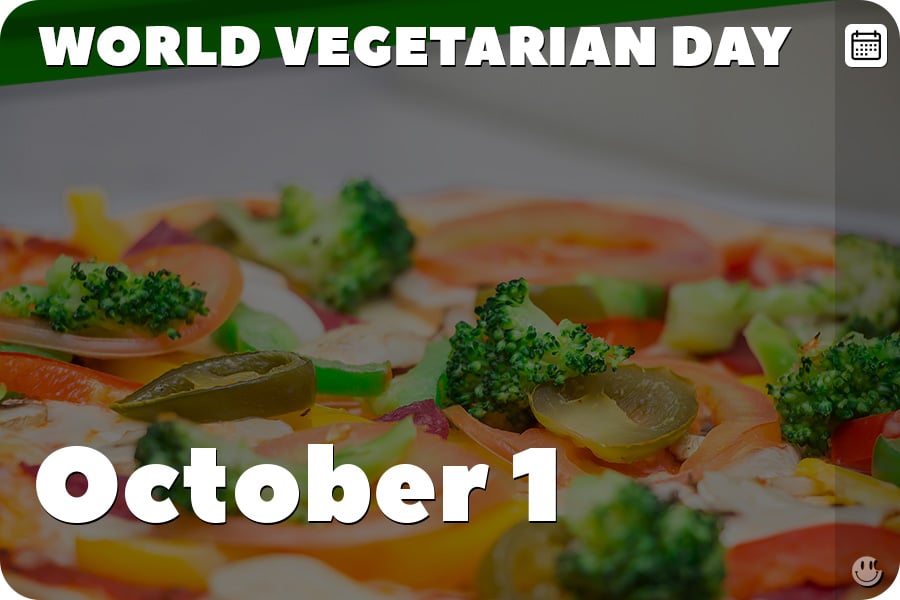
  • October 1 is World Vegetarian Day

    October 1 is World Vegetarian Day

    World Vegetarian Day

    World Vegetarian Day, celebrated annually on October 1st, marks the beginning of Vegetarian Awareness Month. This day, founded in 1977 by the North American Vegetarian Society (NAVS) and endorsed by the International Vegetarian Union, aims to create a better world by promoting vegetarianism. Through this celebration, individuals worldwide are encouraged to explore the benefits of a vegetarian lifestyle, including improved health, animal welfare, and environmental sustainability.

    Health Benefits and Environmental Impact

    One of the key reasons to adopt a vegetarian diet is its potential to reduce the risk of major diseases such as heart disease, stroke, and cancer. By eliminating meat from our plates, we lower our exposure to foodborne pathogens and consume a diet rich in nutrients, fiber, and antioxidants. Furthermore, vegetarianism offers a solution to global hunger by utilizing crops more efficiently, thereby feeding more people with limited resources.

    Animal Welfare and Conservation

    Choosing a vegetarian diet helps save animals from the suffering endured in factory farms and the cruelty of slaughterhouses. By opting for plant-based alternatives, individuals contribute to reducing the demand for animal products and support a compassionate lifestyle. Moreover, vegetarianism helps conserve vital resources like freshwater, topsoil, and other precious elements. It also plays a role in preserving delicate ecosystems such as rainforests and wildlife habitats, preventing further destruction and loss of biodiversity.

    Inspiring Meat-Free Delights

    Even non-vegetarians can participate in World Vegetarian Day by embracing a meat-free diet for the day. This occasion serves as an invitation to discover the vast array of delicious and creative vegetarian dishes. From mouth watering veggie burgers and cheese pizza to nutritious tofu and crisp carrot sticks, there is no shortage of amazing meat-free options to savor. Exploring vegetarian cuisine on this day may even inspire individuals to incorporate more meat-free meals into their regular eating habits, reaping the health benefits and reducing their environmental footprint.

    World Vegetarian Day provides an opportunity for people from all walks of life to celebrate the joy and benefits of vegetarianism. The celebrations can range from private gatherings to public events organized by schools, colleges, health food stores, restaurants, and various other organizations. The official website for World Vegetarian Day, offers a wealth of resources, including recipes, information, and tools to support individuals in their journey towards a vegetarian lifestyle.