James Verone: The Reluctant Bankrobber
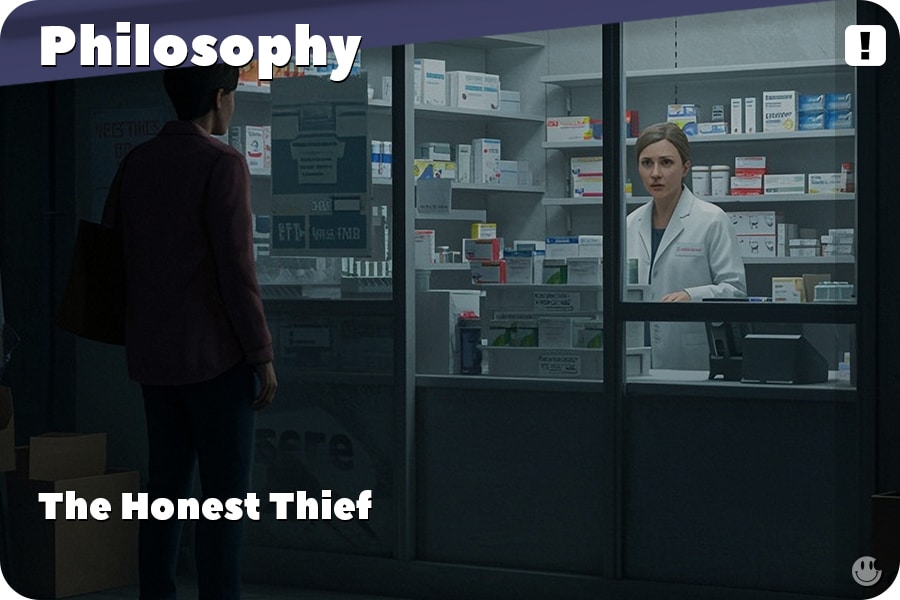
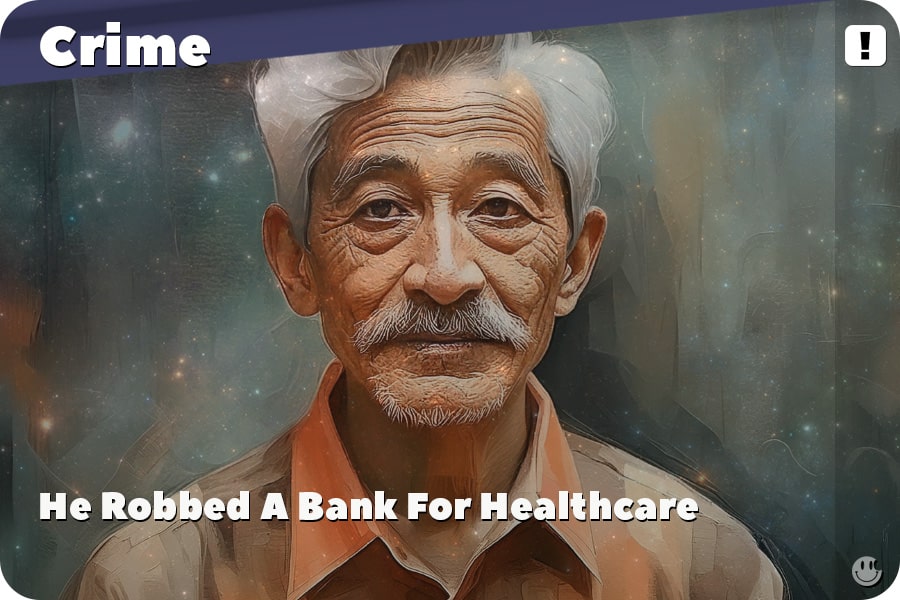
In 2011, a 59-year-old man named James Verone walked into a Gastonia, North Carolina bank, handed the teller a note, and calmly asked for one dollar.
He then sat down in the bank lobby and waited patiently for the police to arrive.
Verone’s intention wasn’t to get rich. He wasn’t a hardened criminal or an impulsive thief. His goal, astonishingly, was to be arrested—so he could receive medical care in prison. The story made national headlines at the time and continues to spark ethical debates about healthcare, desperation, and justice.
What makes someone commit a crime not out of greed or rage—but out of sheer necessity?
A Crime of Survival
James Verone’s decision didn’t come out of nowhere. At the time of the robbery, he was dealing with serious medical issues: a growth on his chest, two ruptured discs in his back, and a problem with his left foot. He had no job, no insurance, and no savings. His Social Security benefits had run out. Traditional healthcare was out of reach.
After carefully weighing his options, he hatched a plan. He would stage a small, non-violent crime, get arrested, and then receive the state-provided healthcare available to inmates.
He wrote a letter to the Gaston Gazette ahead of time explaining his motives, then walked into the bank, handed over the note asking for a dollar, and sat down to await arrest. He even requested medical attention while being taken into custody.
The Letter
Here’s what Verone wrote to the local paper before committing the robbery:
“When you receive this a bank robbery will have already taken place. I am of sound mind but not so much sound body.”
In his own words, this wasn’t about rebellion or protest—it was a last resort. He knew it would land him in jail. He wanted that. It wasn’t freedom he needed. It was help.
The Legal Outcome
Verone was charged with larceny from a person, a lesser charge than full-fledged bank robbery, since he didn’t use a weapon or threaten anyone. He got his wish and was taken to jail. While incarcerated, he received basic medical care, though not necessarily the full treatment he was hoping for.
Eventually, after serving his time, Verone was released—and remained in the public eye for a short while due to the media interest in his unusual case.
His story was covered by outlets like ABC News, CBS, and CNN, prompting widespread debate: was Verone a criminal… or a symptom of a broken system?
Ethical Fault Lines
Verone’s act forces us to confront some uncomfortable questions:
-
Is breaking the law to access essential services like healthcare ever morally acceptable?
-
Does a non-violent, deliberate crime with clear ethical intent deserve the same treatment as other offenses?
-
What does this say about a system where prison is more accessible than healthcare?
From a legal standpoint, Verone committed a crime. But from a moral or philosophical view, the lines are blurrier.
Utilitarian Viewpoint
From a utilitarian perspective—focusing on outcomes—Verone’s act may seem justifiable. He avoided harming others, received care, and brought public attention to a serious societal issue. His action maximized benefit (for himself) with minimal harm (to others).
But critics could argue that normalizing crime as access to care risks undermining the justice system—and could backfire if others followed suit.
Deontological Ethics
In contrast, deontological ethics, which emphasizes duty and rules over consequences, would likely view Verone’s action as wrong, regardless of his motive. A rule-based society cannot function if people are allowed to break the law when it suits their personal needs—even sympathetic ones.
This approach draws a hard line: wrong is wrong, even with good intentions.
Virtue Ethics
Virtue ethics asks a different question: What kind of person would do this—and why? Depending on your perspective, Verone’s action might be seen as courageous or desperate. His willingness to give up his freedom in exchange for medical attention suggests a profound level of sacrifice—and a moral call for systemic reform.
It also raises the question: What virtues should society display in response? Compassion? Justice? Reform?
Not an Isolated Case
Verone’s story is shocking—but not unique. Across the United States, particularly before the Affordable Care Act was implemented, people in poverty have been known to commit minor crimes to gain access to shelter, food, or healthcare.
Some examples:
-
Individuals intentionally getting arrested during cold winters to sleep in heated cells.
-
Nonviolent offenders aiming to extend short sentences to stay on prison health plans.
-
Parents risking custody loss by breaking laws to feed or care for their children.
While these cases vary, they share a common thread: desperation born of systemic failure.
Systemic Reflection: Healthcare or Incarceration?
The U.S. is one of the only developed nations where healthcare is tightly tied to employment and insurance. The system can become an impenetrable wall for those like Verone—older, out of work, and in poor health. Jail, by contrast, is guaranteed to provide food, shelter, and at least basic healthcare.
This ironic reality sparked serious discussion following Verone’s case. CNN contributor LZ Granderson famously commented, “There are millions of people like James Verone—people who would rather be criminals than untreated.”
So what’s the bigger ethical dilemma? That someone committed a crime to access healthcare—or that this is one of the few ways to do so?
Policy Questions That Follow
Verone’s story intersects with some of the biggest ethical and political questions facing the U.S.:
-
Should healthcare be a human right, not a privilege tied to employment or income?
-
Should prisons be a last resort—or a de facto social safety net?
-
What reforms could prevent people from seeing incarceration as their best chance at survival?
These are not abstract questions. They are urgent, human, and deeply moral.
Media and Public Response
Initial media coverage ranged from sympathetic to sensationalized. Some saw Verone as a folk hero, others as a manipulator. Online commenters debated whether he was gaming the system or exposing its failures.
But in ethical terms, the most interesting aspect is this: Verone told the truth. He didn’t rob the bank and flee. He didn’t demand more money. He waited to be arrested and asked for help. There was no deception. Just need.
His story didn’t lead to direct policy change—but it continues to circulate in ethics classes, healthcare debates, and even philosophy discussion boards as a real-life case study of moral tension in modern society.
Glossary of Terms
-
Larceny: Unlawful taking of someone else’s property with intent to deprive them of it.
-
Utilitarianism: Ethical theory focuses on outcomes and the greatest good for the greatest number.
-
Deontology: Ethics based on adherence to moral rules and duties, regardless of consequences.
-
Virtue Ethics: Moral theory emphasizes character traits and virtues over strict rules or outcomes.
-
Social Determinants of Health: Conditions in the environments where people live and work that affect health outcomes.
Discussion Questions
-
Is it ever morally acceptable to break the law to receive healthcare or meet basic needs?
-
What does Verone’s story say about the priorities of our legal and healthcare systems?
-
How should a compassionate society respond to acts of “ethical criminality”?
References and Further Reading
-
-
ABC News: “N.C. Man Allegedly Robs Bank of $1 to Get Health Care in Jail”
-
ABC News: “James Verone: The Medical Motive for his $1 Bank Robbery”
-
The Gaston Gazette, original letter and interview excerpts
-
Kant, Immanuel. Groundwork of the Metaphysics of Morals
-
Mill, John Stuart. Utilitarianism
-
Aristotle, Nicomachean Ethics
-