The Vietnam War ceasefire and withdrawal of U.S. troops marked the end of direct American military involvement in the conflict between communist North Vietnam and non-communist South Vietnam, paving the way for the eventual reunification of Vietnam under communist rule.
In 1973, after years of fighting in the Vietnam War, the United States, North Vietnam, South Vietnam, and the Viet Cong reached a ceasefire agreement known as the Paris Peace Accords, which led to the withdrawal of American troops from Vietnam.
The Paris Peace Accords were signed on January 27, 1973, by representatives from the U.S., North Vietnam, South Vietnam, and the Provisional Revolutionary Government of the Republic of South Vietnam, representing the Viet Cong. During the negotiation process, key figures included U.S. National Security Advisor Henry Kissinger, North Vietnamese diplomat Le Duc Tho, South Vietnamese President Nguyen Van Thieu, and Viet Cong leader Nguyen Thi Binh.
The accords aimed to end direct U.S. military involvement in Vietnam and establish a framework for a political settlement, including a ceasefire, the release of prisoners of war, and the eventual reunification of the country through peaceful means. The agreement also called for the withdrawal of all U.S. forces and military personnel and the dismantling of U.S. military bases in South Vietnam within 60 days.
In accordance with the agreement, the last American combat troops left Vietnam on March 29, 1973. However, a small number of U.S. military advisors and Marines remained at the U.S. Embassy in Saigon to assist in the transition. The war, however, continued between North and South Vietnam, with the North ultimately emerging victorious when Saigon, the capital of South Vietnam, fell on April 30, 1975. This event marked the end of the Vietnam War and the beginning of the reunification process, with Vietnam becoming a unified, communist country.
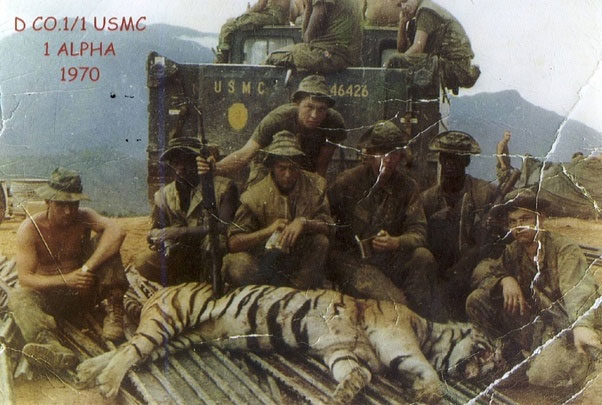
I was in Vietnam for only a year during the war and riding a river patrol boat, never saw a real tiger, but I did pick up tiger stories from some of the marine units we worked with. The NVA and Viet Cong were bad enough, but these poor jarheads also had to contend with man eating tigers.
While we all know that Vietnam was a very unusual war, I doubt that many people would believe that Vietnam’s tiger population was a beneficiary. But during the Vietnam wars, it was claimed that tiger populations and tiger attacks increased dramatically due to the many unburied bodies. After all, tigers are known scavengers that feed at old kills, whether their own or not. There were also many tiger sightings by U.S. troops.
One of the most unusual tiger stories to arise was the case of the 3rd Recon Battalion Marine who survived a tiger attack while on patrol in Quang Tri Province in 1968, near where a Marine had allegedly been killed by a tiger in November 1967. The 400 pound man-eating tiger attacked swiftly and silently, and the first warning the six-man patrol had was screaming from one of the four sleeping Marines. Startled while feeding on the man by the other Marines, the tiger started dragging its prey away before it was killed. The lucky victim was medevaced suffering lacerations and bites on the neck.
In another incident in 1969, a Marine in an ambush position in dense bush felt a tug on his leg and saw a large shape in the black night. After radioing in movement around them and despite being 100% alert, the tiger stealthily returned and grabbed another patrol member before being blown away by five excited Marines. Their buddy was released just slightly the worse for wear. According to SOP, they relocated their ambush, taking the dead 400 pound tiger with them so that they could extract it the next day. Alas, the monsoon meant that choppers couldn’t get up that day, so their focus shifted to preserving the corpse before it started rotting. Fortunately, one of the fellows in the rear radioed that tannic acid, used for curing hides, was contained in urine. The next day, a very smelly carcass made it back to base still in shape for photographs.
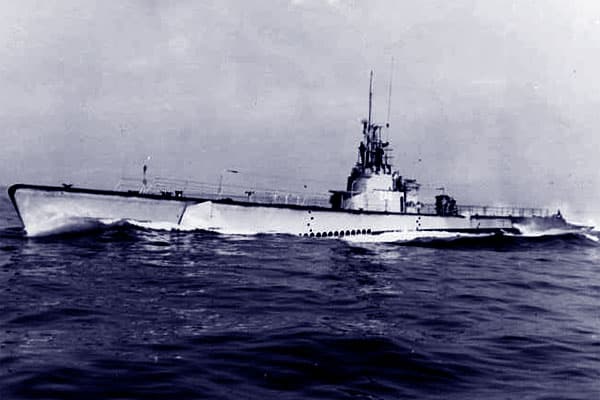
So much of our diesel submarine history will soon be edited down to data, numbers, and brief descriptions on Wikipedia. But the old converted World War Two fleet submarines were much more than that. Obsolete by todays standards, they were the first line of defense in the beginning of the cold war. Almost all were converted to GUPPY ONE (Greater Underwater Propulsion Power Program) class and several were converted to GUPPY TWO and GUPPY THREE class. The main external differences were in the sail and bow configurations. Guppy submarines served as the test vehicles for a wide array of sonar equipment development and stealth technology. Almost all of the old fleet boats had a colorful war time history.
Life on the old boats was spartan. We had two showers, one for the officers and one for the crew. However, the showers were normally filled with provisions like eggs and fresh vegetables when going out to sea. and we carried a limited amount of fresh water for showers or laundry. Yes, even the one washing machine was used to store provisions. Limited water for showers was one of the reasons deodorants like Right Guard were almost a necessity. You went to sea with a case of it. If you were a landlubber, civilian, or surface sailor, you could recognize a submariner by his scruffy beard, lack of a haircut and the odor of diesel fuel that never seem to go away. Our capacity to make fresh water at sea was limited by the two 500 gallon per day distilling units when they were working. In port stateside, single men slept in the barracks.
My captains both on the USS Piper and the USS Croaker usually stocked one of the after torpedo tubes with cases of beer that we were allowed to drink when our operational commitments were done. There was also a barbecue grill for swim calls in the Caribbean. Operating in the North Atlantic, we would be given brandy for standing lookout watches topside.
Back then, the submarine captain and the Chief of the Boat were the sole authorities for disciplinary action other than murder. You went to captain’s mast for minor infractions and if you were an integral part of the crew’s cohesion, you usually got of with a few days restrictions. Other problems were handled by the COB who would take you back to the after torpedo room for a little private reboot and counseling. The COB was also your big brother, who would guide you through the hard times and life crisis that plagued all young sailors.
The old fleet submarines were not true submarines in that the had limited submerged endurance. They were limited by oxygen and batteries. So, most of the time were rode on the surface or snorkeled. This limitation made us vulnerable to storms and rough seas.
One of the benefits of not being a nuclear powered sub was that we could open the ship up to general visitation when in port, even in foreign countries. One visit I’ll always remember was when the Piper hosted Princess Grace of Monaco who in turn reciprocated by inviting several of our crew to Christmas dinner at the palace.
I have many fond memories of being a diesel engine throttleman. From start up to shutting them down on an emergency dive or starting them up for snorkeling. The entire procedure was like a ballet, everything, every step in the procedure had to be done just right. Snorkeling start up was risky. If you missed one step, you could flood the engines with sea water and spend the next six or seven days in repairs.
Sleep for us enginemen was always a luxury. I once spent six days straight without sleep conducting an emergency repair on a main engine because I was the only one small enough to fit in the small space outboard the engine. When the job was complete, I couldn’t fall asleep without being medicated by our corpsman.
Submarine History
Way before nuclear submarines, the old World War Two diesel submarines had been converted to Guppy (Greater Underwater Propulsion Power Program) class boats and operated with our NATO forces in several overseas exercises. They didn’t make patrols back then, but deployed on several cruises, one being what we called “Springboard”, a two month excursion to the Caribbean that took us to Puerto Rico, Jamaica, and the Virgin Islands. The other cruise was a more lengthy four month run to the Mediterranean. What was always significant were the number of port calls we would make. The old diesel subs wouldn’t stay at sea for more than a week due to fuel and provision, so we’d make plenty of port calls.
After a six day transit, for example, we would pull into Rota, Spain for refueling, then head up to ports such as Barcelona, Lisbon, Naples, Nice, Cannes, and even Sweden.
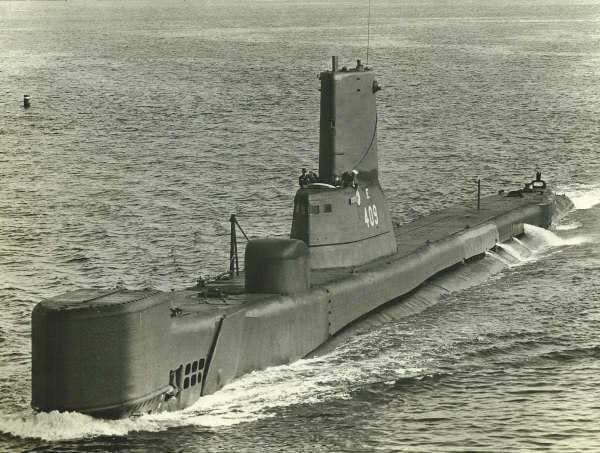
The old fleet diesel boats that I served on were the USS Piper (SS 409), USS Croaker (SS 246), USS Clamagore (SS 343) and USS Tiru (SS 416).
Back in those days, navy vessels had their own array of groupies, or girls that would be waiting for the boats to pull in. Most of the girls were regulars in that they had a long history with the boat and it’s crew. No, these were not garden variety prostitutes, but more like entertainers. They’d offer distraction from being at sea, companionship and conversation in a foreign port and saw that we spent our money in one of their local bars. They might sometimes act as tour guides for us new, younger guys. At the end of the day, they would go home alone, but would be on the pier to wave us off as we left port. Despite secrecy, they always seem to know our operating schedules. Some of the girls had known a sailor on our boat for several years. It was kind of amazing how loyal they were to their particular sailor.
In my youth, BG (before Gwen). I struck up a relationship with a young lady in Lisbon and we actually corresponded for about five years, until I transferred to a nuclear sub and would never get back to Portugal.
Springboard gave us the chance to enjoy life in a different manner. Plenty of bars and beaches. Two events do stick out i my memory though. The navy provided a bus to pick us up in New San Juan and transport us back to the base. One night, the bus was attacked by Puerto Rican terrorist and several sailors were killed i the gunfire.
The other incident was the test of the submarine rescue bell. I had just qualified as a diesel throttleman. On the old boats, each engine room had a throttleman and an oiler. The throttleman ran the main engines, the oiler was like an apprentice, but did odd jobs like cleaning the space, make coffee runs and work on qualifications. He also kept the throttleman awake.
We had a hard run to our dive point, meaning we ran four main engines at full RPMs. We were supposed to submerge, sit on the bottom, and wait for the submarine rescue vessel to power the bell that was supposed to lock on to one of our hatches at which time crew members would enter the bell and be lifted to safety. Great theory. We sat on the bottom and endured seven attempts and 38 hours of them trying to get the bell in place. The additional problem for us was that four main engines running at full RPMs generate a lot of heat. With no outside ventilation and no air conditioning, there was no where for the heat to go. Temperatures in the boat reached 115 degrees. After 20 hours, the CO2 level peaked. At 36 hours, it was unbearable, and at that point, you couldn’t even get a cigarette to stay lit. Most of the crew stripped down to their underwear, we in the engine room stripped even further. This little episode gave me a real appreciation of what submariners went through during the war.
When we finally got the word that the exercise had ended and we could surface, the captain ordered the torpedo men to break out four or five cases of beer that he had stored in one of the after torpedo tubes and the two cases we had in the refrigerated stores storage locker. We surfaced, broke out our barbecue pit, cooked steaks, drank beer and had swim call somewhere off the coast of San Juan.
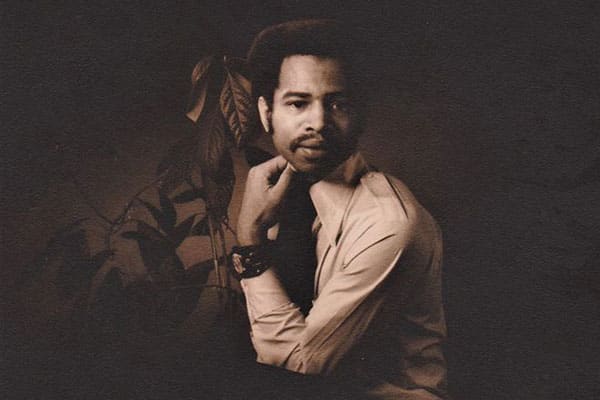
Fredric Durrette served one tour in Vietnam, retired as E8 in the navy submarine service after 23 years. Major hobbies are collecting old stuff from the 20s and restoring old racing bicycles. Worked as a commercial photographer at JL Hudsons in Detroit and continue photography as a hobby. Love Sade, sixties soul, seventies rock, and all jazz. Attended Woodstock in 69! http://snakesafe.jalbum.net/
When I returned from Vietnam in 1969, I made three decisions. One was going to Woodstock instead of the “New York City Soul Festival”, another was getting out of the navy when my enlistment expired, and yet another was moving back to Detroit.
Upon arriving in Detroit, there were other decisions to make, enrolling in college and enlisting in the naval reserves to keep my pay grade and time in service just in case I decided to re-enlist regular navy again. I actually prepared for and thought seriously about enrolling in medical school, but was talked out of it. All good, I probably would have made a poor doctor anyway. So, being interested in art, I enrolled in the Arts and Crafts Art School and later transferred to Wayne State University under the GI Bill.
I enrolled initially for a BA in fine arts and with a couple of friends, opened a small storefront art gallery on Woodward Avenue, called “The Gallery of IMO” and became the only artist selling his paintings out of the three members. Bill Riser, one of the other artists, introduced me to his brother Paul, who did musical arrangements for Motown.
The early seventies were a unique period in time. One was because of the Black renaissance and the other because of the fantastic opportunities offered to freelance photographers back then. Photographic posters had become the new craze, and record companies were constantly looking for new talent. Professional commercial photographers seldom worked weekend, leaving great money-making opportunities for us nonprofessionals. I made five hundred dollars for a two hour job photographing the Detroit Fourth of July fireworks for the Detroit Free Press newspaper. I made a thousand dollars photographing Mercedes cars for the auto show display. And about two thousand dollars over time on poster contracts. It was then that I decided to switch my major to commercial photography. Bought my first Hasselblad camera and two lenses.
I was doing very well freelancing and selling artwork on the GI bill and living with my mom, but I also needed a car and without a steady source of income, that would be impossible.
During this time, I had printed and triple-matted several of my best photographs put them in my portfolio and commenced the job search, not really knowing much about the procedure other than showing my work. My portfolio must have weighed in at about forty pounds and wasn’t the best thing to handles on crowded public transportation like the Detroit DSR buses.
After a week or two of lugging my portfolio from one business to another without much success, a friend recommended the J. L. Hudson department store that had it’s own photography studio as part of it’s advertising department.
The Hudson store opened in 1891 and was eventually moved to Gratiot Avenue and Farmer Street, and encompassed an entire block, filling the space between Woodward Avenue and Farmer, Gratiot and Grand River Avenue. The store was a 25-story structure that was the world’s tallest department store until 1961. At one point, Hudson’s claimed it was also the second-largest store in the country in terms of square feet (two million), after Macy’s Herald Square in New York City. Hudson’s had it’s own cafeteria and even an infirmary. The Hudson’s photographic studio was located on the 19th floor.
So, without even making an appointment, I walked into the store, took the employee elevator up to the 19th floor (customer elevators only went to the 14th floor) and luckily caught the manager, Mr. Syzdek during his lunch break. It was obviously an uneasy first meeting, but Mr. Syzdek was so impressed with my photographs and the way they were matted that he hired me on the spot.
So, I became the FIRST Black photographer in the history of the J. L. Hudson’s department store history. A fact that even garnered a mention in the newspapers and didn’t escape the notice of the NAACP.
Being single, my coworkers thought I’d be a good match for another Hudson employee. Portia was one of the young African American elevator operators. She was tall, thin and very pretty. So we started dating regularly right away. Portia wanted to be a model and we were a pretty good match… but Portia had one big problem. She liked to smoke marijuana, a lot of marijuana.
This presented me with two problems. Besides weed being illegal in Detroit, it was also illegal in the military. Also, I never smoked the stuff myself. However, having perfected the art of rolling homemade cigarettes, I became pretty good at rolling joints. So good, that my talent was often requested at the parties we attended. At a Tina Turner “after-hours party”, I spent all night rolling joints. There was so much weed at that party that I was getting a buzz just from the secondhand smoke and all the time praying that the reserve unit wouldn’t schedule a urine test.
People who say smoking weed isn’t harmful should meet a person like Portia. Her brain was almost toast. It was a good thing she operated the employee elevators and tot the customer ones. One day I got on the elevator and expected she’d take me up to the nineteenth floor where I worked. The doors shut and the elevator started moving upward very slowly, then very fast and eventually came to an abrupt stop. The doors opened and posted on a pole just to the left was a sign that read “21st Floor, Executive Offices”.
When Hudson’s wanted to run an ad for African American newly weds, they use Portia and I as the models. The full page ad ran in the Sunday paper and on Monday, my phone rang off the hook with friends congratulating me.
We went out to dinner one night at a local steak house. After getting our seats, I excused myself for a restroom break. As I exited the bathroom, I saw a guy sitting at our table having what seemed to be a romantic conversation with my Portia. Not wanting to cause a scene, I hesitated long enough for the guy to get up and leave. When I got to the table, Portia broke out in hysterical laughter. “What’s up?”, I said, trying to control my anger. “That guy just told me he was Fred Durrette, a photographer, and wanted me to pose for him in his apartment studio”.
Portia and I eventually dissolved our relationship as it just wasn’t enjoyable. I was always concerned about being arrested with the nickel bag of grass I was taking to her house or even being busted by some undercover narc when trying to purchase it. Either way, it would end my military career.
Fredric Durrette served one tour in Vietnam, retired as E8 in the navy submarine service after 23 years. Major hobbies are collecting old stuff from the 20s and restoring old racing bicycles. Worked as a commercial photographer at JL Hudsons in Detroit and continue photography as a hobby. Love Sade, sixties soul, seventies rock, and all jazz. Attended Woodstock in 69!
How a submarine sailor ended up on a patrol boat in Vietnam
During my tour on the USS Piper, the war in Vietnam escalated and became evening news. My next duty station was the USS Croaker, another GUPPY conversion. GUPPY stands for Greater Underwater Propulsion Power Program and was initiated by the United States Navy after World War II to improve the submerged speed, maneuverability, and endurance of its submarines. (The “Y” in the acronym was added for easier pronunciation. Slightly different than the Piper, the Croaker had three General Motors diesel engine generator compared to the four sixteen cylinder Fairbanks engines on the Piper. The Fairbanks were opposed-piston engines. They ran forever but were hell to work on. The sixteen cylinder General Motors diesels were built like an automobile V8 engine. They constantly leaked oil from the valve covers but were a lot easier to work on. If you had to replace a piston, you only needed to pull one instead of two like on the Fairbanks.
But the GM engines presented other problem too. Half of the sixteen pistons were inboard and easy to get to. The other half were outboard and hard to get to. At my 160 pounds and slim build, I was the only one able to work comfortably on the outboard pistons.
So, by this time, I was a seasoned qualified sub sailor and engine throttleman. I took a lot of pride in how quickly I could go from cold iron to fully running engines. Also, how quickly I could shut them down when we submerged or fire them up for snorkeling.
During one cruise across the Atlantic we blew four pistons, one inboard and three outboard. This repair caused me to work six days and nights without sleep. Pure adrenaline kept me going. When the engine was successfully up and running, my adrenaline level was still so high, the corpsman had to give me a shot to put me to sleep.
Diesel submarines, unlike nuclear-powered boats, had a very low underwater capability. They were basically surface craft with the ability to submerge. We were submerged for over 36 hours one-time conducting submarine rescue operations and the air had gotten so bad, you couldn’t even keep a cigarette going. The heat was so unbearable that we stripped down to our underwear.
With my first marriage going south, I volunteered for Vietnam. Being young and stupid, I fantasized about the action going on over there. Remember, I grew up watching John Wayne movies like “Back to Bataan”. My request was denied because they weren’t yet taking married volunteers.
Finishing my tour on the Croaker, I was transferred to the USS Sam Houston, my first nuclear submarine, and one of the fleet ballistic missile boats. That was my first disappointment since although the Houston had an auxiliary diesel engine, it was operated only by the nuclear-trained personnel as a backup generator for the reactor. With all my diesel engine experience, I wasn’t allowed to touch it. However, during one refit, the nukes were having problems getting the engine to run. They had gone through all the procedures in the engineering manual, cranked her up and she would run for a minute or two and then shut down. Finally with our underway deadline approaching, they “unofficially” asked for my advice. I had the engine up and running steadily in about ten minutes.
My marriage was going even further south, so I volunteered for Vietnam again. Then I was told that they wouldn’t send submarine sailors into combat zones. I understood that. I had a top-secret clearance and could have information valuable to our enemies, especially the Russians.
When my tour on the Houston came to an end in 1968, I waited eagerly for orders to my next submarine although I had only a year left on my enlistment. Then, one day the yeoman told me my orders had come in. Yay!
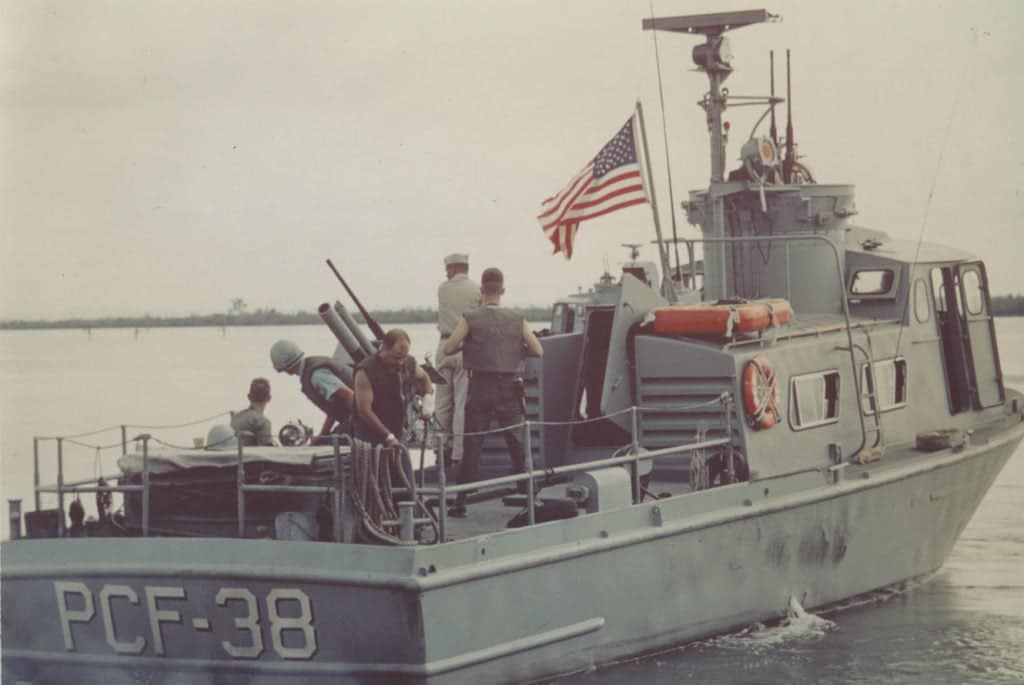
Only my orders were to PCF 38. I immediately called my detailer. The navy detailer is the nut in Washington that decides where to send navy sailors. He said it’s a patrol boat. “What?” “Where the heck is this patrol boat?” he replies “well, it’s kinda at the base in Cat Lo”. “And where the f—k is this Cat Lo?” “Well, it’s kinda in Vietnam”.
Well, I had been closely following the war on the nightly news ever since I had volunteered the second time. Things were heating u very quickly and it was beginning to look like a place I really wanted to avoid. The news started showing pictures of dead marines every night and posting body counts.
Just why am I getting orders to Vietnam when I have only a little more than a year left on my enlistment? I asked my detailer. “Well haven’t you volunteered before? And besides, they need trained enginemen on those boats”. I won’t repeat the profanity I used before our phone conversation ended.
That’s how I ended up riding a patrol boat on the Mekong Delta, South Vietnam. I must have been the only submarine qualified jerk on a river that had no submarines. I don’t regret it though. Luckily, we didn’t see any bad action ourselves. We did lose a boat from our squadron to an RPG attack. A young sailor fell overboard and drowned, a few 7.63 rounds buzzed close enough past my head to make me realize my mortality. Early on, we patrolled the main rivers where we had room to maneuver. Then Zumwalt, or whoever, got the bright idea to have us patrol the inner river canals and we lost that one great advantage. The VC or NVA would watch us go up river, mostly in patrols of two craft, then they’d set up their ambush for our return trip attacking the lead boat to hopefully block us from getting out. What the NVA didn’t know was that we usually operated with helicopter gunships that were only a radio call away.
I think I maintained a certain bravado during that short tour. Facing gunfire and seeing the dead, caused me to grow up quite a bit. But, even facing death, you never think that you’re going to be the next one. You just do your job to protect those you serve with. Although my primary function was as the engineman, we were also trained on other duties. My secondary duty was on the aft over and under .50 caliber machine gun – 81 mm mortar combo. I returned fire many times, so yes, I must have killed people. The VC would sometimes line up innocent civilians in the brush near the river bank. I don’t like to talk about that part or even much more about my time in Vietnam.
It’s no secret to us old salts that our survival kits usually included a pack of Lucky Strike or Camel cigarettes. Sometimes the packs were so old, the paper would have turned a dark yellow.
In 1965, first during the U.S. Army’s Basic Training Course & later in Pre-Airborne Infantry Training, while being allowed a break from P.T., or during a long march, it was commonplace for a Drill Sergeant to say “smoke ’em if you got ’em, do pushups if you don’t”. Non-smoking soldiers would quickly “bum” a cigarette from a friend & they too would soon be smokers. Despite mounting evidence in the 1950s of the adverse health effects of smoking and tobacco use, the military continued to include cigarettes in rations until 1975.
I had been a smoker since age nine and continued to smoke throughout my navy career. When I reported to my first submarine and prepared for deployment, we could purchase “sea store” cigarettes. Sea store cigarettes were tax free and cheaper than what we could purchase at the base exchange or “PX” if you’re army. We would order them by the case for a lengthy deployment, but the glitch was that they wouldn’t be handed out until we were well at sea, hence the name “sea store”.
Sea store cigarettes at the time were going for ten cents a pack or a dollar a carton. Some bright entrepreneurs and even non smokers realized the value of cigarettes both on board or overseas as some heavy smokers would underestimate their order and would run out during the deployment. Then a pack of cigarettes could go for as much as a dollar. The real profits were, however, in foreign ports. In some ports, a pack of American cigarettes was all a hooker would ask for. Give her a carton and you could move in with her. Give her a pair of your denim dungaree trousers with that carton of cigarettes and she would offer to let her sister join the both of you.
In Italy, back in the 1960s, a pack of filtered American cigarettes could be sold for ten dollars or a hundred dollars a carton. This was illegal, however, and the penalty if you were caught selling cigarettes was arrest and imprisonment in an Italian jail. But usually when our boat pulled into port, like Naples, Italy for example, we would be rushed by dozens of shady looking Italian guys in what we called “bum boats”. They’d come alongside us flashing big rolls of U. S. Currency. They wanted navy dungarees or cigarettes, but mostly cigarettes. It was common to see someone from the boat toss over a carton of cigarettes and the guy in the bum boat toss back a wad of American currency.
The illegal selling of cigarettes was further complicated by police corruption. No problem if you conducted the transactions from the safety of the ship as the police didn’t have any jurisdiction on an American military vessel. But naive first timers would sometimes take a carton or two when the left the boat and went into town. The big mistake was when they succumbed to the easy money and sold a carton in one of Naple’s back alleys. The buyer would then report the transaction to the police and the newbie would be subsequently arrested, taken off to jail and his cigarettes confiscated. The confiscated cigarettes would be returned to the buyer and the cash divided between him and the authorities. So now the buyer has the cigarettes which he could sell and half of his cash back. The police furthered profited when the military had to pay the fine for getting the young sailor released.
Another ploy that suckered in many un-streetwise kids was the marijuana scam. Some squirrely looking guy would hang out at the head of the pier looking for some fresh face kid in uniform. He would offer to sell the mark some “real” hashish. Hash is made from the resin of a marijuana plant and is almost times more potent than marijuana. What would happen though, even if the hash wasn’t real, the seller would have a police officer standing nearby who would immediately initiated an arrest.
But, that was Naples in the 1960s. Sitting in port with all the required work and preventative maintenance or PMs done, we amused ourselves by sitting topside and watching the tide come in. A beautiful sunrise would be made even more dramatic by the tremendous amount of garbage that the tide brought back with it. Sometimes, the garbage was so thick that you could almost walk across the harbor and not even get your feet wet. Naples was a very dirty city where gutters were used as garbage disposals and public restrooms. There was a big cholera outbreak in the city shortly after we left.
Transferring to ballistic missile submarines made calculating how many cartons of sea store cigarettes you bought even more critical. Nuclear subs on deterrent patrols or deployments seldom made port calls, so you had to be prepared to have enough for the next 60 days once you left port. A lot of guys didn’t and usually around the half way point, cigarettes would become a valuable commodity. Sometimes a smart non smoker would have bought a few cartons or the ship’s store would have some for sale. But I’ve seen guys raid ashtrays for a good sized butt. For some, deployment was a good opportunity to quit the habit as I did several times, picking it up again as soon as we arrived home.
With the scientific data about the health risks of smoking and information about the effect of smoking on troop readiness, in 1975, the United States Department of Defense discontinued the inclusion of cigarettes in K-rations and C-rations. By 1978, the Department of Defense had implemented basic smoking regulations, including the designation of smoking and nonsmoking areas. In 1985, the Department of Defense conducted a study that revealed that smoking rates of military personnel were significantly higher than that of US civilians and concluded that smoking had a negative effect on troop readiness. The report also recommended potential methods to curb smoking in the military, including the elimination of tobacco products from stores, raising tobacco prices to civilian levels, and the implementation of an educational program to discourage smoking.
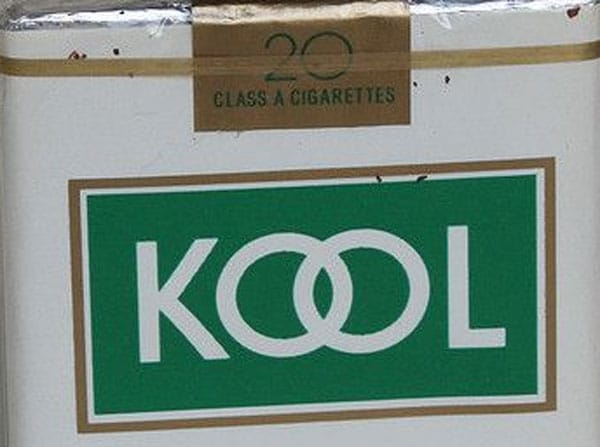
So, the new navy ain’t my navy anymore. Although I did give up cigarettes eventually, I still recall how good that cup of strong black coffee and inhaling the smoke from a Kool menthol was after pulling an all-nighter repairing a piece of equipment.
Way back in 1963, while stationed on board the USS Piper, we pulled into the port of Djibouti, Africa as one of our scheduled Med cruise port calls. Djibouti, is a country located in the Horn of Africa in East Africa. It is bordered by Somalia in the south, Ethiopia in the south and west, Eritrea in the north, and the Red Sea and the Gulf of Aden in the east. Due to it’s history of French colonization, the country still had a big racial divide between the very poor Black population and the rich White Europeans. For example, Blacks were not allowed into the better hotels unless hey worked there as servants. As a result, the only place for a Black U. S. Navy sailor to party was in one of the interracial bars in the native section of the city. White tourists were afraid to go there.
Standing topside watch while moored along side the pier usually drew a crowd of native dock workers who were amused to see a Black man carrying a rifle, a side arm, and a baton, seemingly just strutting around while White guys did all the physical labor. and I did play this up somewhat , being the only Black in my crew, by harassing our all White deck crew doing the usual paint chipping and painting we did during every port call. Once or twice during my rounds, I’d walk over and tap one of my shipmates on the head with my baton which would draw a big round of applause from my audience.
My mentor, Beetle Bailey, the senior first class engineman, was a huge person with the temperament of a lamb. Beetle took me under his wing from the moment I reported on board and taught me all I needed to qualify as a diesel engine throttleman. Beetle also took to calling me his little “spear chukker”, to which I would just call him a stupid honky. We often exchanged racial slurs. I had decided early on that I would not go through life with a chip on my shoulder and as long as the jokes were meant to be humorous and not derogatory, I would simply respond in kind. However, I did let it be known that there was a thin line that shouldn’t be crossed and in fact did go after one of my shipmates with a jacking wrench when he crossed that line.
But in response to Beetle’s calling me his little spear chukker, I found a souvenir shop in town and purchased a twelve foot native spear, although a reproduction and not authentic. Since our only mode of transport around town was either taxi or motor scooter, I rented a Lumbretta scooter to get back to the boat. I guess the European tourist were pretty amazed to see a navy sailor in uniform, a Black navy sailor, riding a moped and carrying a twelve foot spear. I hung that spear in the forward engine room over the number one main engine where it hung long after I had transferred and up until the day Piper was decommissioned.
One day, we had to move the boat so a U. S Navy destroyer, the USS Bigelow could moor alongside the dock. We had to move since the Bigelow was the senior ship as as the senior ship could moor directly to the pier. While we were moored in Djibouti, we needed to refuel. Now the old diesel submarines used fuel ballast tanks to maintain a stable ballast. As the fuel in the tanks was used, it would be replaced with sea water. When fueling, we take on diesel fuel into the tank that would in turn push the sea water out through an overboard pipe that had a sight glass. The sight glass going black meant that the fuel tank was full to the brim and would soon be going overboard into the harbor which would be a no no. So, as we fueled, someone would have to sit topside watching the sight glass to notify the men below to stop transferring fuel.
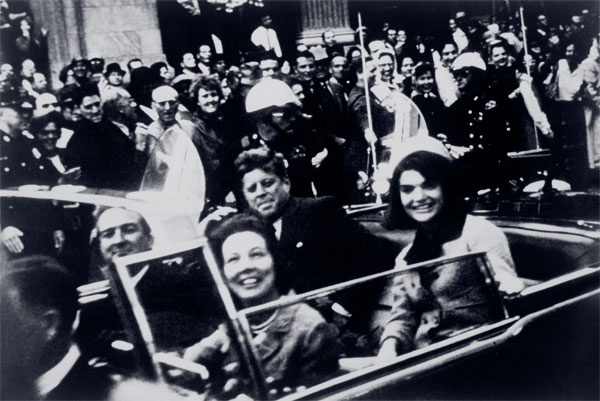
This night, as we sat alongside the Bigelow, performing our fueling operations, the night was peaceful and quiet until alarms started going on all over the Bigelow. Some sailor in a drunken stupor had climbed the Bigelow’s radar mast and got instantly fried. We were all wondering what the heck had happened. The Bigelow had lit up all of a sudden and we watched men scrambling all over her decks, some crying “Oh my God”. One of our crew came rushing back to the boat and said “The president’s dead. The president’s dead… Somebody killed JFK”.
This sent shock waves through the Piper also as some guys went through the boat turning on the lights and waking people up. We were all in shock. Were we going to war? Our radioman was in town getting drunk like all radiomen did in those days, there was no internet, email, cell phones, and diesel submarines didn’t carry televisions. The only info we received until our radioman got back was all second hand from the guys on the destroyer who didn’t know much more than we did. That was November 22, 1963.
Once on the USS Piper back in 1962, we were operating with a group of navy SEALS. The SEALS had just been formed as a special forces group a year earlier from the navy Underwater Demolition Team or UDT. Usually the UDT teams were culled from the navy seabees or construction battalions. Now, they were in the process of honing their skills in covert insertions using submarines. Our mission was to secure their raft to our periscope fairing and then submerge and transit into a coastal shore line as close as we could under cover of darkness. When we reached the insertion point, the seals were supposed to exit the boat through our forward escape hatch, swim to the surface, get in their raft and paddle to the shore. All went according to plan except when the SEALS detached their raft, and got into it, it started to sink. There was no communication with the team once they left the boat, so we had no idea what was going on. Because the raft was sinking, they did not detach it from the scope.
Since our part of the mission was seemingly over, at least until we were supposed to rendezvous to retrieve the team, we started heading back out to sea. Just by accident, our quartermaster wanted to see the shoreline before we got too far out and snuck a quick look out the scope before lowering it. Had it not been for a curious shipmate, we probably would have dragged the SEAL team back out into the deeper ocean waters where we would have gone a lot deeper than periscope depth.
Then on the USS Croaker two years later, while transiting the Atlantic ocean for our four month Mediterranean cruise, we received a message that one of our planes had gone down and we were ordered to search for the pilot who had successfully bailed out. You never realize how vast the Atlantic is until you have to look for one lone human being.
So, we stayed on the surface and searched and searched well into the night with no success. At around midnight, I got up and made it back to the after engine room to start my six hour watch.
Even with both diesel engines running as well as the two in the forward engine room, I never wore hearing protection. That’s probably why I could enjoy the music at Woodstock. Well, about an hour into my watch, I thought I heard the faint sound of something tapping on the hull, but instantly dismissed it. A few minutes later the tapping was back, so I reported it to the chief of the watch in control, but no one seemed to believe me. Being rather peeved, the next time I called the chief, I used some rather profane language (something I rarely did). The chief notified the lookouts on the bridge to look aft towards the engine rooms. However, old diesel boat engines exhausted sea water coolant and exhaust smoke (we called it “efficiency haze” from the sides of the boat, making it hard to see anything further back from there.
Just by luck, as we were making a maneuver, one of the lookouts noticed something white behind the boat. Several crew members were dispatched topside to investigate. Now all this is happening in total darkness, in the North Atlantic is lightly rough seas.
When the crew walked back to the engine room hatch, they found the airman clinging onto the superstructure yelling his lungs out and frantically banging on the hull. The old diesel submarines were equipped with screw guards and it seems that our screw guard had snagged this poor guy’s parachute and we had actually been dragging him around for over an hour until he could pull himself up close enough to grab part of the superstructure and pull himself close to the engine room where I heard him banging on the hull with his sidearm. Once inside the boat, he was given some medicinal brandy, steak and fresh lobster for a meal.
Fredric Durrette served one tour in Vietnam, retired as E8 in the navy submarine service after 23 years. Major hobbies are collecting old stuff from the 20s and restoring old racing bicycles. Worked as a commercial photographer at JL Hudsons in Detroit and continue photography as a hobby. Love Sade, sixties soul, seventies rock, and all jazz. Attended Woodstock in 69! http://snakesafe.jalbum.net/
The United States’ involvement in Vietnam spanned several decades, beginning with the aftermath of World War II and culminating in the fall of Saigon in 1975. A complex and controversial conflict, the Vietnam War saw the United States attempt to prevent the spread of communism in Southeast Asia. The war profoundly affected American society and pop culture, fueling anti-war protests, social movements, and a shift in the nation’s perception of its role in global affairs.
In the years following World War II, the United States, concerned about the spread of communism, began providing military and economic aid to the French colonial government in Vietnam, which was fighting against the communist-led Viet Minh forces led by Ho Chi Minh. The French ultimately withdrew from Vietnam following their defeat at the Battle of Dien Bien Phu in 1954, leading to the signing of the Geneva Accords, which divided Vietnam into North and South along the 17th parallel.
The United States continued its involvement in Vietnam, supporting the anti-communist government in the South, led by President Ngo Dinh Diem. In August 1964, after the Gulf of Tonkin incident, President Lyndon B. Johnson secured congressional approval for the Gulf of Tonkin Resolution, which authorized the use of military force in Southeast Asia without a formal declaration of war. This marked a significant escalation of US involvement in Vietnam, dramatically increasing American troop numbers.
In the late 1960s and early 1970s, under the leadership of President Richard Nixon, the United States pursued a “Vietnamization” policy, transferring responsibility for the war to South Vietnamese forces while gradually withdrawing US troops. This period also saw the controversial secret bombing campaign in neighboring Cambodia. However, despite these efforts, the conflict continued, and the United States ultimately withdrew its remaining forces in 1973, following the signing of the Paris Peace Accords. South Vietnam fell to the communist North in 1975, marking the war’s end.
The United States faced mounting opposition at home throughout the conflict, with anti-war protests becoming increasingly prevalent. The war also significantly impacted American popular culture, inspiring a range of films, music, literature, and art that reflected the nation’s changing attitudes toward the conflict.
Vietnam War Details:
More than 2.7 million American men and women served in Vietnam.
The Vietnam War is the longest in US history, lasting over 19 years.
The average age of US soldiers in Vietnam was 22 years old, making it the youngest fighting force in American history.
Over 58,000 Americans were killed during the conflict, with more than 300,000 wounded.
The war cost the United States an estimated $168 billion, or approximately $1 trillion in today’s dollars, when adjusted for inflation.
Most historians believe the duration of the war was November 1, 1955, through April 30, 1975.
Effects on Pop Culture:
Numerous films, such as “Apocalypse Now,” “Platoon,” “Full Metal Jacket,” and “The Deer Hunter,” were inspired by the Vietnam War and portrayed its brutal realities.
Music artists like Creedence Clearwater Revival, Buffalo Springfield, and Bob Dylan created songs that reflected the anti-war sentiment and the counterculture movement of the time.
The war inspired famous works of literature, such as Tim O’Brien’s “The Things They Carried” and Michael Herr’s “Dispatches.”
The Vietnam Veterans Memorial in Washington, D.C., designed by Maya Lin, was established in 1982 to honor those who served and died in the war.
Prominent People and Countries Involved:
Presidents Dwight D. Eisenhower, John F. Kennedy, Lyndon B. Johnson, and Richard Nixon all played significant roles in shaping US policy in Vietnam.
Key military figures, such as General William Westmoreland and General Creighton Abrams, led US forces in Vietnam.
3. Prominent anti-war activists, including Dr. Martin Luther King Jr., Jane Fonda, and Tom Hayden, raised public awareness and opposition to the conflict.
Vietnam War correspondents, such as Walter Cronkite and Morley Safer, played a critical role in shaping public opinion by reporting on the war’s realities.
North Vietnamese leaders, including Ho Chi Minh and General Vo Nguyen Giap, were instrumental in the communist forces’ struggle against the United States and its South Vietnamese allies.
The US involvement in Vietnam had far-reaching consequences for American society and politics. The war’s unpopularity and the perceived failure of US policy led to a decline in trust in government institutions and a reevaluation of the country’s role in international affairs. Furthermore, the Vietnam War contributed to significant social and cultural changes in the United States, as the anti-war and counterculture movements challenged traditional norms and values.
In the years since the war, Vietnam has become a powerful symbol of the complexities and controversies of modern warfare. The conflict’s legacy continues to shape American foreign policy, military strategy, and popular culture, serving as a cautionary tale about the costs and consequences of military intervention in distant lands.