web analytics

Category: Law Breaking

  • James Verone: The Reluctant Bankrobber

    James Verone: The Reluctant Bankrobber

    James Verone: The Reluctant Bankrobber

    In 2011, a 59-year-old man named James Verone walked into a Gastonia, North Carolina bank, handed the teller a note, and calmly asked for one dollar.

    He then sat down in the bank lobby and waited patiently for the police to arrive.

    Verone’s intention wasn’t to get rich. He wasn’t a hardened criminal or an impulsive thief. His goal, astonishingly, was to be arrested—so he could receive medical care in prison. The story made national headlines at the time and continues to spark ethical debates about healthcare, desperation, and justice.

    What makes someone commit a crime not out of greed or rage—but out of sheer necessity?

    A Crime of Survival

    James Verone’s decision didn’t come out of nowhere. At the time of the robbery, he was dealing with serious medical issues: a growth on his chest, two ruptured discs in his back, and a problem with his left foot. He had no job, no insurance, and no savings. His Social Security benefits had run out. Traditional healthcare was out of reach.

    After carefully weighing his options, he hatched a plan. He would stage a small, non-violent crime, get arrested, and then receive the state-provided healthcare available to inmates.

    He wrote a letter to the Gaston Gazette ahead of time explaining his motives, then walked into the bank, handed over the note asking for a dollar, and sat down to await arrest. He even requested medical attention while being taken into custody.

    The Letter

    Here’s what Verone wrote to the local paper before committing the robbery:

    “When you receive this a bank robbery will have already taken place. I am of sound mind but not so much sound body.”

    In his own words, this wasn’t about rebellion or protest—it was a last resort. He knew it would land him in jail. He wanted that. It wasn’t freedom he needed. It was help.

    The Legal Outcome

    Verone was charged with larceny from a person, a lesser charge than full-fledged bank robbery, since he didn’t use a weapon or threaten anyone. He got his wish and was taken to jail. While incarcerated, he received basic medical care, though not necessarily the full treatment he was hoping for.

    Eventually, after serving his time, Verone was released—and remained in the public eye for a short while due to the media interest in his unusual case.

    His story was covered by outlets like ABC News, CBS, and CNN, prompting widespread debate: was Verone a criminal… or a symptom of a broken system?

    Ethical Fault Lines

    Verone’s act forces us to confront some uncomfortable questions:

    • Is breaking the law to access essential services like healthcare ever morally acceptable?

    • Does a non-violent, deliberate crime with clear ethical intent deserve the same treatment as other offenses?

    • What does this say about a system where prison is more accessible than healthcare?

    From a legal standpoint, Verone committed a crime. But from a moral or philosophical view, the lines are blurrier.

    Utilitarian Viewpoint

    From a utilitarian perspective—focusing on outcomes—Verone’s act may seem justifiable. He avoided harming others, received care, and brought public attention to a serious societal issue. His action maximized benefit (for himself) with minimal harm (to others).

    But critics could argue that normalizing crime as access to care risks undermining the justice system—and could backfire if others followed suit.

    Deontological Ethics

    In contrast, deontological ethics, which emphasizes duty and rules over consequences, would likely view Verone’s action as wrong, regardless of his motive. A rule-based society cannot function if people are allowed to break the law when it suits their personal needs—even sympathetic ones.

    This approach draws a hard line: wrong is wrong, even with good intentions.

    Virtue Ethics

    Virtue ethics asks a different question: What kind of person would do this—and why? Depending on your perspective, Verone’s action might be seen as courageous or desperate. His willingness to give up his freedom in exchange for medical attention suggests a profound level of sacrifice—and a moral call for systemic reform.

    It also raises the question: What virtues should society display in response? Compassion? Justice? Reform?

    Not an Isolated Case

    Verone’s story is shocking—but not unique. Across the United States, particularly before the Affordable Care Act was implemented, people in poverty have been known to commit minor crimes to gain access to shelter, food, or healthcare.

    Some examples:

    • Individuals intentionally getting arrested during cold winters to sleep in heated cells.

    • Nonviolent offenders aiming to extend short sentences to stay on prison health plans.

    • Parents risking custody loss by breaking laws to feed or care for their children.

    While these cases vary, they share a common thread: desperation born of systemic failure.

    Systemic Reflection: Healthcare or Incarceration?

    The U.S. is one of the only developed nations where healthcare is tightly tied to employment and insurance. The system can become an impenetrable wall for those like Verone—older, out of work, and in poor health. Jail, by contrast, is guaranteed to provide food, shelter, and at least basic healthcare.

    This ironic reality sparked serious discussion following Verone’s case. CNN contributor LZ Granderson famously commented, “There are millions of people like James Verone—people who would rather be criminals than untreated.”

    So what’s the bigger ethical dilemma? That someone committed a crime to access healthcare—or that this is one of the few ways to do so?

    Policy Questions That Follow

    Verone’s story intersects with some of the biggest ethical and political questions facing the U.S.:

    • Should healthcare be a human right, not a privilege tied to employment or income?

    • Should prisons be a last resort—or a de facto social safety net?

    • What reforms could prevent people from seeing incarceration as their best chance at survival?

    These are not abstract questions. They are urgent, human, and deeply moral.

    Media and Public Response

    Initial media coverage ranged from sympathetic to sensationalized. Some saw Verone as a folk hero, others as a manipulator. Online commenters debated whether he was gaming the system or exposing its failures.

    But in ethical terms, the most interesting aspect is this: Verone told the truth. He didn’t rob the bank and flee. He didn’t demand more money. He waited to be arrested and asked for help. There was no deception. Just need.

    His story didn’t lead to direct policy change—but it continues to circulate in ethics classes, healthcare debates, and even philosophy discussion boards as a real-life case study of moral tension in modern society.

    Glossary of Terms

    • Larceny: Unlawful taking of someone else’s property with intent to deprive them of it.

    • Utilitarianism: Ethical theory focuses on outcomes and the greatest good for the greatest number.

    • Deontology: Ethics based on adherence to moral rules and duties, regardless of consequences.

    • Virtue Ethics: Moral theory emphasizes character traits and virtues over strict rules or outcomes.

    • Social Determinants of Health: Conditions in the environments where people live and work that affect health outcomes.

    Discussion Questions

    1. Is it ever morally acceptable to break the law to receive healthcare or meet basic needs?

    2. What does Verone’s story say about the priorities of our legal and healthcare systems?

    3. How should a compassionate society respond to acts of “ethical criminality”?

    References and Further Reading

  • The Seven Deadly Sins

    The Seven Deadly Sins

    Origins, Meaning, and Moral Consequences

    The Seven Deadly Sins, also known as the Capital Vices or Cardinal Sins, are a group of immoral behaviors in Christian tradition that are considered the root of all other sins. Rather than isolated moral failings, they’re seen as habitual tendencies that corrupt the soul, distort one’s relationship with others, and lead a person further from God. Although not explicitly listed in this form in the Bible, their conceptual framework has played a central role in Christian theology, medieval philosophy, and Western literature.

    The term “deadly” refers not only to spiritual danger but also to the way these sins corrupt the virtues necessary for a holy and balanced life. They are considered “capital” sins not because they are the worst offenses possible, but because they give rise to many others.


    Historical Background of the Seven Deadly Sins

    The earliest roots of this concept trace back to the 4th-century monk Evagrius Ponticus, a Christian ascetic who cataloged eight evil thoughts (logismoi) that plagued the spiritual life. His original list included gluttony, lust, avarice, sadness, anger, acedia (spiritual sloth), vainglory, and pride.

    Evagrius’s writings were translated into Latin by John Cassian, a pivotal figure who introduced these monastic ideas to the Western Church. By the late 6th century, Pope Gregory I (Gregory the Great) refined and condensed the list into the more familiar seven: he combined vainglory with pride, merged sadness with sloth, and introduced envy.

    Later in the 13th century, Thomas Aquinas further clarified their theological significance in his Summa Theologica, describing them as “capital sins” because of their generative power to produce other sins. His work cemented the Seven Deadly Sins in Catholic doctrine and helped define their relationship to the virtues they oppose.


    The Seven Deadly Sins and Their Meanings

    1. Lust (Latin: Luxuria)

    Lust refers to the disordered craving for sexual pleasure, but it can also include unhealthy desires for material things or power. Unlike healthy affection or romantic love, lust is self-serving and objectifies others for gratification. It’s linked with acts like adultery, fornication, pornography, and obsessive indulgence.

    In Christian theology, lust damages the dignity of both the person indulging and the one being objectified. It clouds judgment, leads to betrayal, and distorts the sacred nature of relationships.

    Virtue Opposed: Chastity — the practice of purity in thought and deed, respecting the dignity of others and oneself.


    2. Gluttony (Latin: Gula)

    Gluttony is the overconsumption of food, drink, or resources. In the ancient world, this sin was more than just eating too much — it was about the obsession with pleasure, the wasting of what others may need, and the disregard for self-control.

    It also symbolizes broader wastefulness and selfishness. In spiritual terms, gluttony reflects a soul trying to fill a spiritual void with physical excess.

    Virtue Opposed: Temperance — moderation and self-restraint in all things, especially physical desires.


    3. Greed (Latin: Avaritia)

    Greed, or avarice, is the insatiable desire for wealth or possessions. It’s not just about having money—it’s about loving money above all else, hoarding it, or pursuing it at the expense of justice or compassion. Greed dehumanizes people, reducing them to what they can give or take.

    The New Testament frequently warns against the dangers of greed. In Luke 12:15, Jesus says, “Life does not consist in an abundance of possessions.”

    Virtue Opposed: Charity — selfless giving, love of others, and the prioritization of people over things.


    4. Sloth (Latin: Acedia)

    Sloth is often misunderstood as a synonym for laziness, but it actually has a deeper spiritual meaning. In early Christian texts, acedia referred to a kind of spiritual apathy—a failure to love God or pursue one’s spiritual duties. It can manifest as procrastination, indifference, or disengagement from life’s responsibilities.

    Sloth paralyzes moral action. It causes people to give up the good they could do, not out of rebellion, but neglect.

    Virtue Opposed: Diligence — a strong work ethic and the faithful pursuit of one’s responsibilities, both spiritual and worldly.


    5. Wrath (Latin: Ira)

    Wrath, or uncontrolled anger, turns the emotion of righteous indignation into a destructive force. While anger in itself is not always sinful, wrath loses control and seeks harm or revenge. It can cause violence, destroy relationships, and lead to hatred.

    Jesus taught the importance of forgiveness and peacemaking, challenging followers to break the cycle of retaliation.

    Virtue Opposed: Patience — endurance and calm in the face of suffering, injustice, or frustration.


    6. Envy (Latin: Invidia)

    Envy is the sorrow or resentment one feels over another’s good fortune. It differs from jealousy; while jealousy fears losing something, envy simply cannot bear others having what one lacks. It poisons the heart with bitterness, making love and gratitude nearly impossible.

    Envy led Cain to murder Abel, Joseph’s brothers to sell him into slavery, and countless divisions between friends, families, and nations.

    Virtue Opposed: Kindness — a generosity of spirit that celebrates others’ success and seeks their good.


    7. Pride (Latin: Superbia)

    Pride is widely considered the most dangerous of the Seven Deadly Sins. It is the inordinate belief in one’s superiority, often leading to disdain for others and rejection of divine authority. In Christian tradition, pride was the sin of Lucifer—the angel who refused to serve—and of Adam and Eve, who disobeyed God seeking to become “like gods.”

    Pride blinds us to our own faults and blocks repentance, humility, and growth. C.S. Lewis called pride “the complete anti-God state of mind.”

    Virtue Opposed: Humility — the proper recognition of one’s limitations, strengths, and need for God and community.


    The Role of the Seven Deadly Sins in Christian Life

    Unlike mortal sins, which are specific and action-based, the Seven Deadly Sins represent broader tendencies of the heart and mind. They are seen as deeply rooted inclinations that must be recognized, resisted, and replaced through spiritual discipline and virtue.

    In both Catholic and Orthodox traditions, repentance (metanoia) and sacramental confession are important steps in breaking the grip of these sins. Regular examination of conscience often includes reflecting on how these tendencies may be active in one’s daily life.


    The Seven Heavenly Virtues: The Antidotes

    Each of the Seven Deadly Sins has a corresponding virtue, often referred to as the Seven Heavenly Virtues. These were compiled by early Christian thinkers as spiritual remedies:

    Deadly Sin Opposing Virtue
    Lust Chastity
    Gluttony Temperance
    Greed Charity
    Sloth Diligence
    Wrath Patience
    Envy Kindness
    Pride Humility
  • Stalker Songs

    Stalker Songs

    Songs About Stalking

    Do you really listen to the words of that song you’ve been singing in the car? This List includes those whiney “I-miss-my-girl-I-miss-my-guy-I’m-gonna-kill-myself” pop songs as well. Upon completing the list, we notice that the rock band, the Police are by far the most stalker-oriented band with 3 songs in the top 25!

    Stalker Songs, What’s Behind the Music? 


    Information You May Need To Know

    A recent study by the National Institute of Justice found that stalking was far more prevalent than anyone had imagined: 8% of American women and 2% of American men will be stalked in their lifetimes. That’s 1.4 million American stalking victims every year. The majority of stalkers have been in relationships with their victims, but a significant percentage either never met their victims, or were just acquaintances – neighbors, friends, or co-workers.

    AntiStalking.com/aboutstalkers

    Scared yet? Yes, I know it’s creepy. But this world is a pretty crazy place and if we don’t learn how to protect ourselves, then we will be unable to live a healthy and safe life. Keep that in mind.

    1. Escape – Enrique Iglesias
    2. One Way Or Another – Blondie
    3. Every Breath You Take – Police
    4. Possession – Saah McLachlan
    5. Invisible – Clay Aiken
    6. Can’t Stand Losing You – Police
    7. Infatuation – Rod Stewart
    8. Don’t You Want Me – Human Leage
    9. Spooky – Classics IV
    10. Don’t Stand So Close to Me – Police
    11. I Drove All Night – Cyndi Lauper /Celine Dion
    12. I Put A Spell on You – Screaming Jay Hawkins
    13. 96 Tears – ? and the Mysterians
    14. The More You Ignore Me, the Closer I Get – Morissey
    15. I Want You To Want Me – Cheap Trick
    16. #1 Crush – Garbage
    17. Can’t Get Used To Losing You – Andy Williams
    18. The Rain – Oran “Juice” Jones
    19. 500 Miles (I would walk) – the Proclaimers
    20. Obsession – Animotion
    21. Run For Your Life – the Beatles
    22. Somebody’s Watching Me – Rockwell
    23. Paparazzi – Lady Gaga
    24. You’re Sixteen You’re Beautiful (And You’re Mine) – Ringo Starr
    25. Spiderwebs – No Doubt
    26. I Will Possess Your Heart – Death Cab For Cutie
    27. As Long As You Love Me – Backstreet Boys
    28. Girl Watcher – O Kaysions
    29. You’re Beautiful – James Blunt
    30. I Will Follow – U2
    31. Are You Lonesome Tonight? – Elvis Presley
    32. The Old Apartment – Barenaked Ladies
    33. Follow Her Around – Jimmy Rankin
    34. Shiver – Coldpaly
    35. I Want You Back – N*Sync
    36. Come To My Window – Melissa Etheridge
    37. Love Potion # 9 – Searchers
    38. I’m Gonna Make You Love Me – Diana Ross & The Supremes
    39. My Heart Will Go On – Celine Dion
    40. Crash – Dave Matthews Band
    41. Private Eyes – Hall and Oates
    42. Lily (my one and only) – Smashing Pumpkins
    43. You Belong To Me – Carly Simon
    44. Puppy Love – Paul Anka
    45. Animals – Maroon 5
    46. If You Are Not The One – Daniel Bedingfield
    47. I Will Follow Him – Little Peggy March
    48. I’m On Fire – Bruce Springsteen
    49. Somebody That I Used To Know – Gotye, featuring Kimbra
    50. Can’t Get You Out Of My Head – Kylie Minogue
    51. You Can’t Change That – Ray Parker, Jr
    52. Keep On Loving You – REO Speedwagon
    53. Witch Doctor – David Seville
    54. Always Be My Baby – Mariah Carey
    55. Black Widow – Iggy Azalea featurinf Riat Ora
    56. Right Here Waiting For You – Ricahrd Marx
    57. I Won’t Last a Day Without You – Carpenters
    58. Hey Joe – Jimi Hendrix
    59. American Woman – Guess Who/Lenny Kravitz
    60. I Want You / I Hope You’re Happy Now – Elvis Costello
    61. In The Shadows – the Stranglers
    62. Creepin Up On You – Darren Hayes
    63. Never Gonna Give You Up – Rick Astley
    64. Hungry Like The Wolf – Duran Duran
    65. Happy Together – the Turtles
    66. You Oughta Know – Alanis Morrisette
    67. I’m Gonna Make You Love Me – Diana Ross
    68. Creep – Radiohead
    69. Pushin Too Hard – the Seeds
    70. Angie Baby – Helen Reddy
    71. Sunglasses At Night – Corey Hart
    72. Have I The Right? – The Honeycombs
    73. All for Leyna / Close to the Borderline – Billy Joel
    74. Living Room – Tehan and Sara
    75. Possession – Sarah McLachlan
    76. Brand New Key – Melanie
    77. Stan – Eminem
    78. Prove My Love – Violent Femmes
    79. Father Figure – George Michael
    80. Watching You – Melissa Etheridge
    81. Say You Love Me – Fleetwood Mac
    82. Obsession (No Es Amor) – Frankie J & Baby Bash
    83. Turn Around, Look At Me – The Vogues
    84. Hello – Lionel Richie
    85. You Oughta Know – Alanis Morrisette
    86. Follow You Home – Nickleback
    87. Two Steps Behind – Def Leppard
    88. Stalker – Goldfinger
    89. Creepy Girl – Daddy Issue
    90. I’ll Be There – Jackson 5
    91. Until You Come Back to Me – Aretha Franklin
    92. Shame – Stabbing Westward
    93. I’m Gonna Love You Forever – Jessica Simpson
    94. Breaking Up is Hard to Do – Neil Sedaka
    95. Life Itself – Glass Animals
    96. Do I Creep You Out – Weird Al Yankovic
    97. Pinkerton – Weezer
    98. Right Here Waiting For You – Richard Marx
    99. Always Know Where You Are – BBMak
    100. I Wear Glasses – Mating Ritual
  • 25 Ethical Questions

    25 Ethical Questions

    25 Ethics Questions To Ponder

    Here’s a list of 25 modern ethical and philosophical questions along with some potential positive, negative, and neutral connotations or answers:

    1. Is genetic engineering of humans ethical?

      • Positive: Can prevent genetic diseases, improve human capability.

      • Negative: May lead to eugenics, inequality.

      • Neutral: Requires careful regulation and public discourse.

    2. Should autonomous vehicles prioritize passenger or pedestrian safety?

      • Positive: Saves lives through reduced human error.

      • Negative: Difficult ethical decisions programmed by humans.

      • Neutral: Reflects complex societal values and safety concerns.

    3. Is it ethical to colonize Mars?

      • Positive: Ensures human survival, new resources.

      • Negative: Risk of harming potential Martian ecosystems.

      • Neutral: Depends on execution and respect for potential life.

    4. Should animals have the same rights as humans?

      • Positive: Acknowledges sentience and suffering.

      • Negative: Could impact necessary medical research, food resources.

      • Neutral: Rights should be appropriate to the species’ needs.

    5. Is digital privacy a fundamental right?

      • Positive: Protects personal freedoms and autonomy.

      • Negative: Can conflict with security and law enforcement needs.

      • Neutral: Balances between privacy and security are necessary.

    6. Is it morally acceptable to use drones in warfare?

      • Positive: Reduces risk to military personnel.

      • Negative: May increase casual attitudes towards conflict.

      • Neutral: Use should be regulated by strict ethical guidelines.

    7. Should we implement a universal basic income?

      • Positive: Reduces poverty and inequality.

      • Negative: Potentially unsustainable economically.

      • Neutral: Effectiveness depends on the economic context.

    8. Is artificial intelligence a threat or a benefit to society?

      • Positive: Enhances efficiency and capabilities in various sectors.

      • Negative: Potential job displacement, ethical concerns.

      • Neutral: AI development should be carefully managed.

    9. Should euthanasia be legalized?

      • Positive: Allows dignity in death, relieves suffering.

      • Negative: Potential for abuse and moral conflicts.

      • Neutral: Should come with strict safeguards and consent processes.

    10. Is it ethical to clone extinct animals?

      • Positive: Could restore lost species and ecosystems.

      • Negative: Diverts attention from conserving existing species.

      • Neutral: Ethical considerations depend on reasons and methods.

    11. Should voting be mandatory?

      • Positive: Increases democratic participation.

      • Negative: May violate personal freedom of choice.

      • Neutral: Could be one element of broader civic engagement reforms.

    12. Is it ethical to keep animals in zoos?

      • Positive: Helps with conservation and education.

      • Negative: Can cause suffering and unnatural living conditions.

      • Neutral: Depends on the zoo’s quality and ethical standards.

    13. Should we allow surveillance for national security?

      • Positive: Helps prevent terrorism and crime.

      • Negative: Infringes on individual privacy rights.

      • Neutral: Needs strict oversight and legal frameworks.

    14. Is it ethical to consume meat?

      • Positive: Part of natural human diet and tradition.

      • Negative: Ethical concerns about animal welfare and environmental impact.

      • Neutral: Personal choice informed by ethical and environmental considerations.

    15. Should parents be allowed to choose their baby’s traits?

      • Positive: Reduces genetic diseases, enhances life opportunities.

      • Negative: Raises issues of inequality and ‘designer babies’.

      • Neutral: Needs ethical oversight and societal consensus.

    16. Is the death penalty justifiable?

      • Positive: Deters crime, provides justice for victims.

      • Negative: Risk of wrongful execution, inhumane.

      • Neutral: Should be debated and decided democratically.

    17. Should we prioritize environmental policy over economic growth?

      • Positive: Ensures sustainable living conditions for future generations.

      • Negative: Could hinder economic development and job creation.

      • Neutral: Policies should aim to balance environmental and economic factors.

    18. Is it ethical to enhance humans physically and mentally through technology?

      • Positive: Improves quality of life and human capabilities.

      • Negative: Could exacerbate social inequalities.

      • Neutral: Should be regulated to ensure fair access and ethical use.

    19. Should social media companies regulate content on their platforms?

      • Positive: Reduces misinformation and harmful content.

      • Negative: Threatens free speech and expression.

      • Neutral: Requires transparent policies that respect user rights.

    20. Is it ethical to use placebo treatments?

    • Positive: Can be beneficial in clinical research and treatment.

      • Negative: Deceptive and may undermine trust in medical practice.

      • Neutral: Ethically acceptable if patient welfare is improved and no better treatment is available.

    1. Is social media responsible for increasing loneliness?

      • Positive: Provides a platform for connection, especially for those isolated by geography or disability.

      • Negative: Encourages superficial interactions and a focus on quantity of connections over quality.

      • Neutral: The impact varies widely depending on how individuals use and interact with social media.

    2. Should all drugs be legalized?

      • Positive: Reduces the criminal activities associated with drug trafficking.

      • Negative: Could lead to increased health problems and societal issues.

      • Neutral: Regulation and education might mitigate risks and provide health benefits.

    3. Is it ethical for companies to track their employees’ online activities?

      • Positive: Can enhance security and productivity.

      • Negative: Invades privacy and can create a distrustful work environment.

      • Neutral: Acceptable if transparent and limited to work-related activities.

    4. Is censorship ever justified in a free society?

      • Positive: Necessary to protect individuals from harm and misinformation.

      • Negative: Can be used to suppress dissent and control public opinion.

      • Neutral: Justifiable when it protects the vulnerable without stifling essential freedom.

    5. Should we prioritize the exploration of space over solving Earth’s current problems?

      • Positive: Can lead to technological advancements and long-term survival of humanity.

      • Negative: Diverts resources and attention from pressing environmental and social issues.

      • **A neutral stance might consider the benefits of technology and knowledge gained from space exploration that could potentially address Earth’s challenges.

  • Sea Store Cigarettes

    Sea Store Cigarettes

    Sea Store Cigarettes

    It’s no secret to us old salts that our survival kits usually included a pack of Lucky Strike or Camel cigarettes. Sometimes the packs were so old, the paper would have turned a dark yellow.

    In 1965, first during the U.S. Army’s Basic Training Course & later in Pre-Airborne Infantry Training, while being allowed a break from P.T., or during a long march, it was commonplace for a Drill Sergeant to say “smoke ’em if you got ’em, do pushups if you don’t”. Non-smoking soldiers would quickly “bum” a cigarette from a friend & they too would soon be smokers. Despite mounting evidence in the 1950s of the adverse health effects of smoking and tobacco use, the military continued to include cigarettes in rations until 1975.

    I had been a smoker since age nine and continued to smoke throughout my navy career. When I reported to my first submarine and prepared for deployment, we could purchase “sea store” cigarettes. Sea store cigarettes were tax free and cheaper than what we could purchase at the base exchange or “PX” if you’re army. We would order them by the case for a lengthy deployment, but the glitch was that they wouldn’t be handed out until we were well at sea, hence the name “sea store”.

    Sea store cigarettes at the time were going for ten cents a pack or a dollar a carton. Some bright entrepreneurs and even non smokers realized the value of cigarettes both on board or overseas as some heavy smokers would underestimate their order and would run out during the deployment. Then a pack of cigarettes could go for as much as a dollar. The real profits were, however, in foreign ports. In some ports, a pack of American cigarettes was all a hooker would ask for. Give her a carton and you could move in with her. Give her a pair of your denim dungaree trousers with that carton of cigarettes and she would offer to let her sister join the both of you.

    In Italy, back in the 1960s, a pack of filtered American cigarettes could be sold for ten dollars or a hundred dollars a carton. This was illegal, however, and the penalty if you were caught selling cigarettes was arrest and imprisonment in an Italian jail. But usually when our boat pulled into port, like Naples, Italy for example, we would be rushed by dozens of shady looking Italian guys in what we called “bum boats”. They’d come alongside us flashing big rolls of U. S. Currency. They wanted navy dungarees or cigarettes, but mostly cigarettes. It was common to see someone from the boat toss over a carton of cigarettes and the guy in the bum boat toss back a wad of American currency.

    The illegal selling of cigarettes was further complicated by police corruption. No problem if you conducted the transactions from the safety of the ship as the police didn’t have any jurisdiction on an American military vessel. But naive first timers would sometimes take a carton or two when the left the boat and went into town. The big mistake was when they succumbed to the easy money and sold a carton in one of Naple’s back alleys. The buyer would then report the transaction to the police and the newbie would be subsequently arrested, taken off to jail and his cigarettes confiscated. The confiscated cigarettes would be returned to the buyer and the cash divided between him and the authorities. So now the buyer has the cigarettes which he could sell and half of his cash back. The police furthered profited when the military had to pay the fine for getting the young sailor released.

    Another ploy that suckered in many un-streetwise kids was the marijuana scam. Some squirrely looking guy would hang out at the head of the pier looking for some fresh face kid in uniform. He would offer to sell the mark some “real” hashish. Hash is made from the resin of a marijuana plant and is almost times more potent than marijuana. What would happen though, even if the hash wasn’t real, the seller would have a police officer standing nearby who would immediately initiated an arrest.

    But, that was Naples in the 1960s. Sitting in port with all the required work and preventative maintenance or PMs done, we amused ourselves by sitting topside and watching the tide come in. A beautiful sunrise would be made even more dramatic by the tremendous amount of garbage that the tide brought back with it. Sometimes, the garbage was so thick that you could almost walk across the harbor and not even get your feet wet. Naples was a very dirty city where gutters were used as garbage disposals and public restrooms. There was a big cholera outbreak in the city shortly after we left.

    Transferring to ballistic missile submarines made calculating how many cartons of sea store cigarettes you bought even more critical. Nuclear subs on deterrent patrols or deployments seldom made port calls, so you had to be prepared to have enough for the next 60 days once you left port. A lot of guys didn’t and usually around the half way point, cigarettes would become a valuable commodity. Sometimes a smart non smoker would have bought a few cartons or the ship’s store would have some for sale. But I’ve seen guys raid ashtrays for a good sized butt. For some, deployment was a good opportunity to quit the habit as I did several times, picking it up again as soon as we arrived home.

    With the scientific data about the health risks of smoking and information about the effect of smoking on troop readiness, in 1975, the United States Department of Defense discontinued the inclusion of cigarettes in K-rations and C-rations. By 1978, the Department of Defense had implemented basic smoking regulations, including the designation of smoking and nonsmoking areas. In 1985, the Department of Defense conducted a study that revealed that smoking rates of military personnel were significantly higher than that of US civilians and concluded that smoking had a negative effect on troop readiness. The report also recommended potential methods to curb smoking in the military, including the elimination of tobacco products from stores, raising tobacco prices to civilian levels, and the implementation of an educational program to discourage smoking.

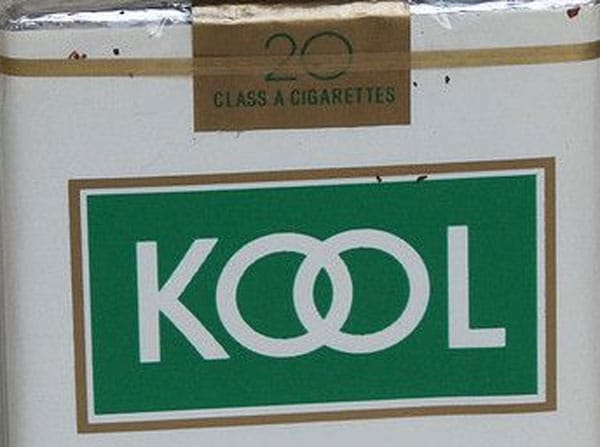
    So, the new navy ain’t my navy anymore. Although I did give up cigarettes eventually, I still recall how good that cup of strong black coffee and inhaling the smoke from a Kool menthol was after pulling an all-nighter repairing a piece of equipment.

  • The Lindbergh Kidnapping March 1, 1932

    The Lindbergh Kidnapping March 1, 1932

    The Charles A. Lindbergh Jr Kidnapping

    It was on the evening of March 1, 1932, that one of the nation’s biggest mysteries and scandals occurred. World-famous aviator Colonel Charles Lindbergh and his wife had put their 20-month old son Charles Augustus Lindbergh, Jr. to bed in his upstairs nursery and within hours a nurse who went to check-in on the baby discovered him to be missing.
    All evidence supported that the baby had been kidnapped and as police investigated Lindbergh’s home, the discovered muddy footprints in the nursery, the window in the nursery wide-open, and a cryptic ransom note left on the windowsill that demanded $50,000 for the safe return of the baby. The police thoroughly searched the grounds of the Lindbergh estate and came up empty-handed. All that they were able to discover was a home-made ladder that they believe someone used to climb to the second-story window to nab baby Charlie, as there were also scrape marks discovered on the outside of the home next to the nursery window.

    It was the first time the Lindberghs were at their new home on a Tuesday night in the middle of the week. The house was not quite finished, so the family only came on weekends. They spent weekdays at Anne’s family’s estate in Englewood, New Jersey. But Charlie had a cold, and Anne didn’t want him to travel. So how did the kidnappers know they’d even be here that night?

    The ransom note was very crudely written with many misspellings which led the police to believe that the individual that kidnapped baby Charles most likely had to be a recent immigrant. The note also urged the Lindbergh’s not to involve the police as there would be trouble as a result.

    Colonel Lindbergh asked friends to communicate with the kidnappers, and they made widespread appeals for the kidnappers to start negotiations. A second ransom note was received by Colonel Lindbergh on March 6, 1932, (postmarked Brooklyn, New York, March 4), in which the ransom demand was increased to $70,000.

    About nine days after the kidnapping of baby Charles a 72-year-old retired teacher from the Bronx named Dr. John Condon called the Lindberghs and claimed that he had written a letter to the “Bronx Home News” offering to act as an intermediary between Lindbergh and the kidnapper. The story got the attention of the kidnapper who contacted Condon and in a move of desperation to get his son back alive, Lindbergh agreed to allow Condon to works as an intermediary and kept the police out of the situation.

    A month later on April 2, 1932, Dr. Condon delivered the ransom money of gold certificates (serial numbers recorded by the police) to a man at St. Raymond’s Cemetery, while Lindbergh waited in a nearby car. The man referred to as Cemetery John took the money, but failed to deliver the baby safe and sound. He instead handed Dr. Condon a note that revealed the baby’s alleged location, which was on a boat called the Nelly. Unfortunately, no boat or baby was located in the area that Cemetery John described.

    Finally on May 12, 1932, nearly three months after the kidnapping of baby Charles, a truck driver found the baby’s decomposed body in the woods a few miles from the Lindbergh estate. Police claim that the baby had been dead since the night of the kidnapping and had a fractured skull which may have occurred because he was dropped when the kidnapper was attempting to climb back down the ladder. However, there are some discrepancies in the police report describing the baby’s injuries and some do not match those that would occur during an accidental fall. There was a clear fracture line on the left side of the baby’s head, and on the right side of the head, there was a round defect behind the right ear.

    The police claim the injury to the right side of the head occurred when an officer who was trying to exhume the baby’s remains accidentally poked a hole in his skull with a stick, and thus created the round, impact-like injury on the right side. However many medical experts claim that a stick would not create enough force to break through the baby’s skull and some people began to suspect the baby was murdered rather than dying accidentally after the fall. The evidence supports the theory that the Lindbergh baby was killed intentionally by the kidnapper and the ransom notes claiming he was alive was only part of a ruse to receive higher amounts of money from the family.

    For two years the police and FBI kept close tabs on the serial numbers associated with the ransom money that was given to Cemetery John, just waiting to see if it would pop up anywhere and they could arrest a suspect. In 1934, one of the gold certificates showed up at a gas station in New York. Thanks to the suspicions of the gas station attendant, who was worried the gold certificate might be counterfeit and wrote down a license plate number, the police were able to track the gold certificate back to an illegal German immigrant named Bruno Richard Hauptmann.

    The police discovered that Hauptmann had a past criminal record, which of all things included using a ladder to climb into the second-story window of a home to steal money and watches. Police searched Hauptmann’s home and found $14,000 of the Lindbergh ransom money hidden in his garage. They also discovered missing floorboards in Hauptmann attic which matched the wood used to build the home-made ladder discovered on the Lindbergh property.

    Hauptmann was arrested on September 19, 1934, and tried for murder beginning on January 2, 1935. While Hauptmann maintained his innocence, the evidence in the case was stacked against him. Not only was there the wood from the ladder, but a writing sample from Hauptmann matched the ransom note. There was also a witness that claimed to have seen Hauptmann on the Lindbergh property the day before the crime occurred. Both Lindbergh and Dr. Condon also agreed that they recognized Hauptmann as Cemetery John who had taken the ransom money right after the crime.

    The prosecutors on the case were never completely positive that Hauptmann acted alone. They urged him to reveal his accomplices, but he never wavered from his innocence plea. Even his wife, Anna, maintained her husband’s innocence all the way up to her death in 1994. It is the ransom money that comes into question when looking into possible accomplices in committing this crime. Police only discovered Hauptmann with about $14,000 of the ransom money, so the questions became, what happened to the rest of the $50,000 in funds?

    On February 13, 1935, the jury convicted Hauptmann of first-degree murder. He was put to death by electric chair on April 3, 1936, for the murder of Charles A. Lindbergh Jr.

    The case of the Lindbergh baby is truly one of the most haunting in American History. Overall the case left many unanswered questions about who committed the crime and how they were able to pull it off. Many are still wondering if Hauptmann had any assistance when committing the crime and that there still could be perpetrators at large even to this day.

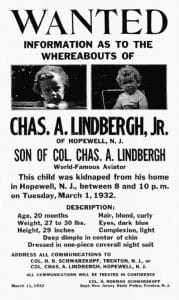
    What makes this case even more intriguing is that there are some individuals who believe that the Lindbergh baby is still very much alive and well. They claim that the poster that circulated far and wide seeking his return said he was 20 months old, weighed 27 to 30 pounds and was 29 inches tall. However, the autopsy report that was completed on the baby that was discovered on the Lindbergh property couldn’t identify the body’s sex due to “marked decomposition ” and the body was 33 inches long, -4 inches taller than Charles A. Lindbergh Jr. was supposed to be. Colonel Lindbergh and Betty Gow, the baby’s nurse,, quickly identified the body when it was discovered and it was quickly cremated right after. Definitely questionable behavior, but the theory does seem a bit far-fetched!

  • Topsy The Elephant Publicly Executed

    Topsy The Elephant Publicly Executed

    Topsy The Elephant Publicly Executed in New York City

    Topsy was born in Southeast Asia, had a difficult career as a circus elephant, and was imported to the US for the spectacle. She performed at the Forepaugh Circus, which competed with Baileys Circus by PT Barnum. The circus animal spectacle was grueling work for the stars of the show, and the working conditions were disastrous.

    Furious, Topsy threw the man to the ground, then crushed him with her enormous weight and then snapped as onlookers, known for their drunken antics, burned the top of her trunk with a lit cigarette. It felt as a result of abuse, but stories of abuse that seem extraordinary today but were somehow acceptable a century ago abound.

    After Topsy’s drunken trainer was sacked for kidnapping after he accidentally stabbed her with a pitchfork and tried to break into the local police station with the elephant, Luna Park decided there was no place for her. Caught between the desire for an elephant and the constant search for the next spectacle, the owners of Luna Park announced the imminent execution of the elephant. She had been sold as a liability to the circus to a private park in New York, where she was used to hauling tree trunks and pulling rides, but then no one wanted her anymore.

    After a few false starts, the date for the execution of Topsy the Elephant in Luna Park in New York City was set at January 4, 1903.

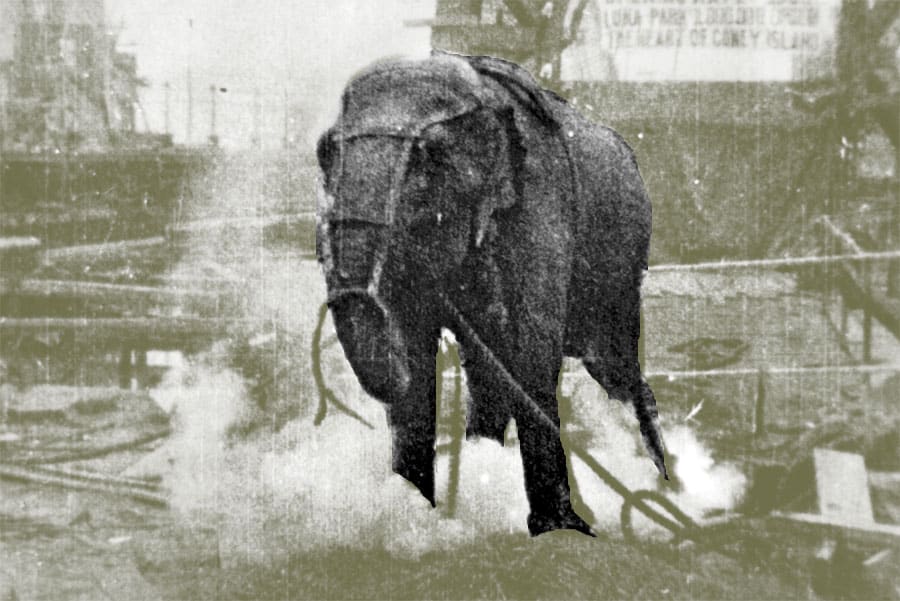
    On the day of his death, hundreds of spectators and members of the press gathered to witness the event. Topsy refused to leave, forcing the owners to park a set of them where they stood. His death was to occur at the end of a carrot laced with cyanide, the electricity of which was transmitted at 6,000 volts from a nearby power plant, just to be sure.

    At 2:45 pm, a signal was given to start the electrocution and within minutes he was dead. A short film released by the Edison Manufacturing Company, “Elektrocuted Elephant,” shows 74 seconds of Topsy’s electrical career. There was some confusion about the nature of Tesla’s so-called war currents, but Edison actually did electrical cleaning and disappeared from the film that bore his name. The fact that the electricity company Edison Electric Power Company (EPC), which supplies the power, later added to the confusion over the incident suggested that Edison had killed Topsy to prove to the public that Tesla’s “alternating currents” were deadly dangerous.

    On the day Topsy was executed, a film crew from the Edison Film Company, led by director and co-producer William H. Dyer, was also in the press. The film, made after his death, is 74 seconds long and shows only the electric shock.

    It was one of many recent short films made by the Edison Manufacturing Company in Coney Island starting in 1897, showing animals, diving horses and footage of the slides in Luna Park. Edison filed the film with the Library of Congress on copyright grounds, but it was never published, although it is still in the New York Public Library’s “Topsy the Elephant Electrocuted” collection.

    Although this myth has been repeated, there seems to be no evidence that Edison had anything directly to do with Topsy’s death. A small memorial was erected in his honor in New York City in the early 1990s to mark the centenary of his death, and since then a smaller memorial has been erected in his honor.

  • Rufus Buck Gang

    Rufus Buck Gang

    Rufus Buck Gang

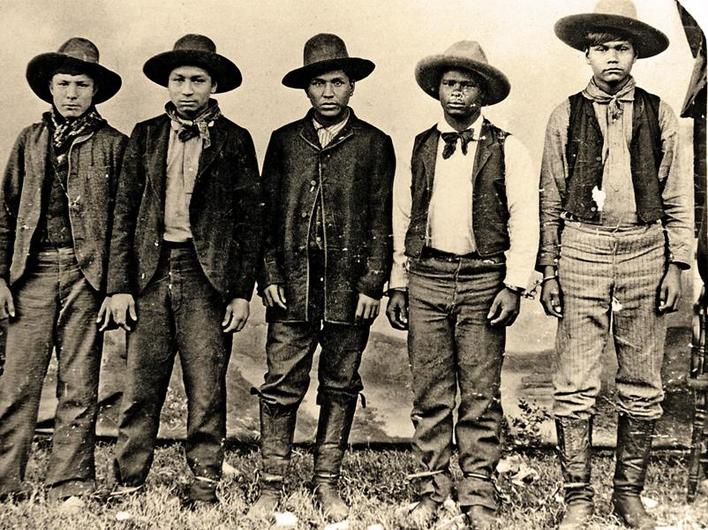
    July 6th is the anniversary of the hanging of the Rufus Buck Gang- four black and Indian teens who tried to singlehandedly, violently halt the expansion of the burgeoning United States. You’ve never heard of them, but they stand among the most notorious and politically significant outlaws of the Old West.

    The famous “Hanging Judge” Isaac Parker oversaw the Buck Gang’s capture and condemned them to death. They were associated with the infamous half-black, half-Cherokee outlaw Cherokee Bill. Their crimes were motivated by the U.S. annexation of “Indian Territory” (today’s Oklahoma). The socio-politics surrounding the Buck Gang rampage clearly heralded the emergence of the 20th century United States.

    The Rufus Buck Gang weren’t gunslingers like Billy the Kid, or thieves like the James-Younger gang. They wanted justice, and they sought it with the same violence that had marked their histories as blacks and Indians in America.

    The Indian Territory of the late 20th century was a racial melting pot. It contained more whites than Indians as well as a significant population of black Freemen. Judge Parker’s principal deputy was a black man named Bass Reeves. Whites had come to usurp the promised Indian lands, bit by bit. But in Washington, laws were being passed to allow the wholesale submersion of Indian Territories into the United States. Native people would lose their last chance at a homeland. This enraged Buck.

    By 1895 “Hanging Judge” Isaac Parker had been the sole law in Indian Territory for decades. His last major duty was to capture the Rufus Buck Gang, who embarked on a 13-day rampage in the vain hope of inciting the Territory’s blacks and Indians to violent rebellion against the encroaching United States.

    Fredric Durrette served one tour in Vietnam, retired as E8 in the navy submarine service after 23 years. Major hobbies are collecting old stuff from the 20s and restoring old racing bicycles. Worked as a commercial photographer at JL Hudsons in Detroit and continue photography as a hobby. Love Sade, sixties soul, seventies rock, and all jazz. Attended Woodstock in 69!
    http://snakesafe.jalbum.net/