Winners Announced: February 29, 1968 Televised: “Best On Record” May 8, 1968 Held at: Chicago, Los Angeles, Nashville, and New York Eligibility Year: November 2, 1966 – November 1, 1967
Musical Highlights and Achievements
Sgt. Pepper’s Lonely Hearts Club Band Dominates: The Beatles’ groundbreaking album won four Grammys, including Album of the Year and Best Contemporary Album.
Hello, Dolly!: Louis Armstrong received the Grammy for Best Male Vocal Performance for the song Hello, Dolly!, becoming the oldest Grammy winner at that time.
Fifth Dimension’s Big Win: The Fifth Dimension won Record of the Year for their hit single Up, Up and Away, also taking home the Grammy for Best Performance by a Vocal Group.
Trivia
Beatles Making History: The Beatles became the first rock act to win Album of the Year, a landmark moment in Grammy history.
Bobbie Gentry’s Breakout: Bobbie Gentry, a relative newcomer, won Best New Artist, marking the start of her promising career.
Leap Year Ceremony: Interestingly, the awards ceremony occurred on a leap day—February 29.
Record of the Year: Up, Up and Away – 5th Dimension
Album of the Year: Sgt. Pepper’s Lonely Hearts Club Band, The Beatles (Capitol)
Song of the Year: Up, Up and Away – Jimmy L. Webb, songwriter
Best New Artist: Bobbie Gentry
Best Vocal Performance, Male: By the Time I Get to Phoenix – Glen Campbell
Best Vocal Performance, Female: Ode to Billie Joe – Bobbie Gentry
Best Performance By a Vocal Group (Two to Six Persons): Up, Up and Away – 5th Dimension
Best Performance By a Chorus (Seven or More Persons): Up, Up and Away – Johnny Mann Singers
Best Contemporary Single: Up, Up and Away – 5th Dimension
Best Contemporary Album: Sgt. Pepper’s Lonely Hearts Club Band, The Beatles (Capitol)
Best Contemporary Male Solo Vocal Performance: By the Time I Get to Phoenix – Glen Campbell
Best Contemporary Female Solo Vocal Performance: Ode to Billie Joe – Bobbie Gentry
Best Contemporary Group Performance, Vocal or Instrumental: Up, Up and Away – 5th Dimension
Best Rhythm and Blues Recording: Respect – Aretha Franklin (Atlantic)
Best Rhythm and Blues Solo Vocal Performance, Male: Dead End Street – Lou Rawls
Best Rhythm and Blues Solo Vocal Performance, Female: Respect – Aretha Franklin
Best Rhythm and Blues Group Performance, Vocal or Instrumental (Two or More): Soul Man – Sam and Dave
Best Instrumental Jazz Performance, Small Group or Soloist With Small Group: Mercy, Mercy, Mercy, Cannonball Adderley Quintet
Best Instrumental Jazz Performance, Large Group or Soloist With Large Group: Far East Suite – Duke Ellington
Best Country and Western Song: Gentle on My Mind John Hartford, songwriter
Best Country and Western Recording: Gentle on My Mind – Glen Campbell (Capitol)
Best Country and Western Solo Vocal Performance, Male: Gentle on My Mind – Glen Campbell
Best Country and Western Solo Vocal Performance, Female: I Don’t Wanna Play House – Tammy Wynette
Best Country and Western Performance, Duet, Trio or Group (Vocal or Instrumental): Jackson – Johnny Cash and June Carter
Best Gospel Performance: More Grand Old Gospel, Porter Wagoner and the Blackwood Brothers
Best Sacred Performance: How Great Thou Art, Elvis Presley
Best Folk Performance: Gentle on My Mind – John Hartford
Best Instrumental Arrangement: Alfie, Burt Bacharach, arranger
Best Arrangement Accompanying Vocalist(s) or Instrumentalist(s): Ode to Billie Joe – Jimmie Haskell, arranger
Best Instrumental Theme: Mission: Impossible – Lalo Schifrin, composer
Best Instrumental Performance: Chet Atkins Picks the Best – Chet Atkins
Best Score From an Original Cast Show Album: Cabaret, Fred Ebb and John Kander, composers (Columbia)
Best Original Score Written for a Motion Picture or Television Show: Mission: Impossible – Lalo Schifrin, composer
Album of the Year, Classical (tie): Berg, Wozzeck, Pierre Boulez conducting Paris National Opera; solos: Berry, Strauss, Uhl and Doench (Columbia) Mahler, Symphony No. 8 in E-Flat Major (Symphony of a Thousand ), Leonard Bernstein conducting London Symphony Orchestra (Columbia)
Best Classical Performance, Orchestra: Stravinsky, Firebird and Petrouchka Suites, Igor Stravinsky conducting Columbia Symphony
Best Chamber Music Performance: West Meets East, Ravi Shankar and Yehudi Menuhin
Best Classical Performance, Instrumental Soloist(s) (With or Without Orchestra): Horowitz in Concert, Vladimir Horowitz
Best Opera Recording: Berg, Wozzeck, Pierre Boulez conducting Paris National Opera; solos: Berry, Strauss, Uhl and Doench (Columbia)
Best Classical Choral Performance (tie): Mahler, Symphony No. 8 in E-Flat Major (Symphony of a Thousand ), Leonard Bernstein conducting London Symphony Orchestra Orff, Catulli Carmina, Robert Page conducting Temple University Chorus; Eugene Ormandy conducting Philadelphia Orchestra
Best Classical Vocal Soloist Performance: Prima Donna, Vol. 2, Leontyne Price; Francesco Molinari-Pradelli conducting RCA Italiana Opera Orchestra
Best Comedy Recording: Revenge, Bill Cosby (Warner Bros.-Seven Arts)
Best Spoken Word, Documentary or Drama Recording: Gallant Men, Sen. Everett M. Dirksen (Capitol)
Best Recording for Children: Dr Seuss: How the Grinch Stole Christmas, Boris Karloff (MGM)
Best Album Cover, Graphic Arts: Sgt. Pepper’s Lonely Hearts Club Band, Peter Blake and Jann Haworth, art directors (Capitol)
Best Album Cover, Photography: Bob Dylan’s Greatest Hits; Roland Scherman, photographer; John Berg and Bob Cato, art directors (Columbia)
Best Album Notes: Suburban Attitudes in Country Verse, John O. Loudermilk, annotator (RCA)
December 31, 1966 – February 17, 1967: The Monkees – I’m a Believer February 18, 1967 – March 3, 1967: The Buckinghams – Kind of a Drag March 4, 1967 – March 10, 1967: The Rolling Stones – Ruby Tuesday March 11, 1967 – March 17, 1967: The Supremes – Love Is Here and Now You’re Gone March 18, 1967 – March 24, 1967: The Beatles – Penny Lane March 25, 1967 – April 14, 1967: The Turtles – Happy Together April 15, 1967 – May 12, 1967: Nancy Sinatra and Frank Sinatra – Somethin’ Stupid May 13, 1967 – May 19, 1967: The Supremes – The Happening May 20, 1967 – June 2, 1967: Young Rascals – Groovin’ June 3, 1967 – J, 1967: Aretha Franklin – Respect July 1, 1967 – July 28, 1967: The Association – Windy July 29, 1967 – August 18, 1967: The Doors – Light My Fire August 19, 1967 – August 25, 1967: The Beatles – All You Need Is Love August 26, 1967 – September 22, 1967: Bobbie Gentry – Ode to Billie Joe September 23, 1967 – October 20, 1967: Box Tops – The Letter October 21, 1967 – November 24, 1967: Lulu – To Sir With Love November 25, 1967 – December 1, 1967: Strawberry Alarm Clock – Incense and Peppermints December 2, 1967 – December 29, 1967: The Monkees – Daydream Believer December 30, 1967 – January 19, 1968: The Beatles – Hello, Goodbye (Data is compiled from various charts including Billboard’s “Pop,” “Airplay,” “R&B” and “Singles” Charts. “Hot 100” is the primary chart used starting October, 1958)
The Movies to Watch include The Graduate, The Dirty Dozen, Bonnie and Clyde, Guess Who’s Coming To Dinner, Valley of the Dolls, Camelot and The Jungle Book.
On March 6, 1967, Stalin’s daughter, 41-year-old Svetlana Alliluyeva, defected at the U.S. embassy in New Delhi, India, where she publicly denounced Communism and “embraced God, America and apple pie.”
The Most Famous Person in America was probably Dean Martin.
Thurgood Marshall was sworn in as the first black US Supreme Court justice.
Notable books include The Outsiders by S.E. Hinton and Rosemary’s Baby by Ira Levin.
Battleship (board game) was introduced in 1967
Minimum Wage in 1967: $1.40 per hour Cleaning Lady: $1.50/hour
The Funny Late Night Host: Johnny Carson The Funny Lady was Carol Burnett
The Conversation: Why was America at war in Vietnam?
Despite what you may still hear today, Walt Disney was not frozen right after he died in late 1966.
Airplane Celebrity Death: Otis Redding
Automobile Celebrity Death: Jayne Mansfield
Counter-cultural icon Abbie Hoffman led a group of anti-capitalists to the New York Stock Exchange, where they dropped dollar bills from the balcony onto the floor as traders scrambled to retrieve the cash. He also led a group of 50,000 people and tried to levitate the Pentagon with their combined psychic power.
The Doors earned a lifetime ban from the Ed Sullivan show after agreeing to censor the lyrics to their hit “Light My Fire,” but ended up singing the original lyrics anyway.
1967 Pop Culture Facts & History
The first handheld calculator was invented.
McDonald’s Big Mac was introduced at 45 cents each.
The largest Emerald, the ‘Gachala Emerald’ was found. It weighs in at 858 carats.
Rolling Stone began publication. The first issue sold about 5,000 copies.
The first pulsating radio source (pulsar) was detected by postgraduate Jocelyn Burnell and her supervisor, Antony Hewish.
Having been tested in a few outlets, 7-11’s Slurpees became available in all locations in 1967.
Cost of a Super Bowl ad in 1967: $42,000
South African doctor Christiaan Barnard performed the first heart transplant.
The Habit
Ouija board (from Parker Brothers)
1st Appearances & 1967’s Most Popular Christmas Gifts, Toys and Presents
Kerplunk, Johnny Astro, TALKING G.I. Joe action figures, Mega Bloks, Newton’s cradle, Uncle Fester’s Mystery Light Bulb, Lit-Brite, Ants in the Pants Game
Best Film Oscar Winner
A Man for all Seasons (presented in 1967)
Popular and Best-selling Books From 1967
The Arrangement by Elia Kazan Christy by Catherine Marshall The Chosen by Chaim Potok The Confessions of Nat Turner by William Styron The Eighth Day by Thornton Wilder The Exhibitionist by Henry Sutton The Gabriel Hounds by Mary Stewart Logan’s Run by William F. Nolan and George Clayton Johnson. The Master and Margarita by Mikhail Bulgakov Never Talk to Strangers by Irma Joyce One Hundred Years of Solitude by Gabriel Garcia Marquez The Outsiders by S. E. Hinton The Plot by Irving Wallace Rosemary’s Baby by Ira Levin The Secret of Santa Vittoria by Robert Crichton Topaz by Leon Uris
1967 Most Popular TV Shows
1. The Andy Griffith Show (CBS) 2. The Lucy Show (CBS) 3. Gomer Pyle U.S.M.C. (CBS) 4. Gunsmoke (CBS) 5. Family Affair (CBS) 6. Bonanza (NBC) 7. The Red Skelton Show (CBS) 8. The Dean Martin Show (NBC) 9. The Jackie Gleason Show (CBS) 10. Bewitched (ABC)
1967 Billboard Number One Songs
December 31, 1966 – February 17, 1967: I’m A Believer – The Monkees
February 18 – March 3: Kind Of A Drag – The Buckinghams
March 4 – March 10: Ruby Tuesday – The Rolling Stones
March 11 – March 17: Love is Here and Now You’re Gone – The Supremes
November 25 – December 1: Incense And Peppermints – Strawberry Alarm Clock
December 2 – December 29: Daydream Believer – The Monkees
December 30, 1967 – January 19, 1968: Hello Goodbye – The Beatles
Sports
World Series Champions: St. Louis Cardinals Super Bowl I Champions: Green Bay Packers NBA Champions: Philadelphia 76ers Stanley Cup Champs: Toronto Maple Leafs U.S. Open Golf Jack Nicklaus U.S. Tennis: (Men/Ladies) Jack Newcombe/Billie Jean King Wimbledon (Men/Women): John Newcombe/Billie Jean King NCAA Football Champions: USC NCAA Basketball Champions: UCLA Kentucky Derby: Proud Clarion
Winners Announced: April 10, 1967 Held at: Santa Monica Civic Auditorium, Santa Monica, California Host: Bob Hope Eligibility Year: 1966
Cinematic Highlights and Achievements
A Man for All Seasons Stands Tall: This historical drama won the night’s big winner, securing six Oscars, including Best Picture and Best Director for Fred Zinnemann.
New Kid on the Block: Actor Paul Scofield won Best Actor for his role in A Man for All Seasons, making his Oscar debut memorable.
Captivating Costumes: Who’s Afraid of Virginia Woolf? scored big in the Best Costume Design category, underlining the film’s meticulous attention to detail.
Born Free Roars: The movie won two awards for Best Original Song and Best Original Score, making it a melodic night success.
Trivia
Bob Hope Strikes Again: Bob Hope hosted for the 14th time, setting a host record that would last for decades.
Walter Matthau’s Snub: Despite the film The Fortune Cookie earning him a nomination, Matthau failed to grab an Oscar, causing some eyebrows to rise.
The Fortune Cookie Firsts: This film was the first to pair Jack Lemmon and Walter Matthau, sparking an on-screen partnership for years.
The “Academy Award of Merit” is what the Oscar statue is officially called.
Best Picture: A Man for All Seasons – Fred Zinnemann (WINNER) Alfie – Lewis Gilbert The Russians Are Coming, the Russians Are Coming – Norman Jewison The Sand Pebbles – Robert Wise Who’s Afraid of Virginia Woolf? – Ernest Lehman
Best Director: Fred Zinnemann – A Man for All Seasons (WINNER) Michelangelo Antonioni – Blowup Claude Lelouch – A Man and a Woman Richard Brooks – The Professionals Mike Nichols – Who’s Afraid of Virginia Woolf?
Best Actor: Paul Scofield – A Man for All Seasons as Sir Thomas More (WINNER) Alan Arkin – The Russians Are Coming, the Russians Are Coming as Lt. Yuri Rozanov Richard Burton – Who’s Afraid of Virginia Woolf? as George Michael Caine – Alfie as Alfie Elkins Steve McQueen – The Sand Pebbles as Jake Holman
Best Actress: Elizabeth Taylor – Who’s Afraid of Virginia Woolf? as Martha (WINNER) Anouk Aimée – A Man and a Woman as Anne Gauthier Ida Kaminska – The Shop on Main Street as Rozália Lautmannová Lynn Redgrave – Georgy Girl as Georgina “Georgy” Parkin Vanessa Redgrave – Morgan! as Leonie Delt
Best Supporting Actor: Walter Matthau – The Fortune Cookie as “Whiplash Willie” Gingrich (WINNER) Mako – The Sand Pebbles as Po-han James Mason – Georgy Girl as James Leamington George Segal – Who’s Afraid of Virginia Woolf? as Nick Robert Shaw – A Man for All Seasons as King Henry VIII
Best Supporting Actress: Sandy Dennis – Who’s Afraid of Virginia Woolf? as Honey (WINNER) Wendy Hiller – A Man for All Seasons as Alice More Jocelyne LaGarde – Hawaii as Queen Malama Kanakoa Vivien Merchant – Alfie as Lily Geraldine Page – You’re a Big Boy Now as Margery Chanticleer
Best Story and Screenplay Written Directly for the Screen: A Man and a Woman – Screenplay by Claude Lelouch and Pierre Uytterhoeven; Story by Claude Lelouch (WINNER) Blowup – Screenplay by Michelangelo Antonioni, Edward Bond and Tonino Guerra; Story by Michelangelo Antonioni The Fortune Cookie – Billy Wilder and I. A. L. Diamond Khartoum – Robert Ardrey The Naked Prey – Clint Johnston and Don Peters
Best Screenplay Based on Material from Another Medium: A Man for All Seasons – Robert Bolt based on his play (WINNER) Alfie – Bill Naughton based on his play The Professionals – Richard Brooks based on the novel A Mule for the Marquesa by Frank O’Rourke The Russians Are Coming, the Russians Are Coming – William Rose based on the novel Off-Islanders by Nathaniel Benchley Who’s Afraid of Virginia Woolf? – Ernest Lehman based on the play by Edward Albee
Best Foreign Language Film: A Man and a Woman (France) (WINNER) The Battle of Algiers (Italy) Loves of a Blonde (Czechoslovakia) Pharaoh (Poland) Three (Yugoslavia)
Best Song: “Born Free” from Born Free – Music by John Barry; Lyrics by Don Black (WINNER) “Alfie” from Alfie – Music by Burt Bacharach; Lyrics by Hal David “Georgy Girl” from Georgy Girl – Music by Tom Springfield; Lyrics by Jim Dale “My Wishing Doll” from Hawaii – Music by Elmer Bernstein; Lyrics by Mack David “A Time for Love” from An American Dream – Music by Johnny Mandel; Lyrics by Paul Francis Webster
Best Documentary Feature: The War Game (WINNER) The Face of a Genius Helicopter Canada The Really Big Family Le Volcan interdit
Best Documentary Short Subject: A Year Toward Tomorrow – Edmond A. Levy (WINNER) Adolescence Cowboy The Odds Against Részletek J.S. Bach Máté passiójából
Best Short Subject, Live Action: Wild Wings – Edgar Anstey (WINNER) Turkey the Bridge – Derek Williams The Winning Strain – Leslie Winik
Best Short Subject, Cartoons: A Herb Alpert and the Tijuana Brass Double Feature – John Hubley and Faith Hubley (WINNER) The Drag – Carlos Marchiori The Pink Blueprint – David H. DePatie and Friz Freleng
Best Original Music Score: Born Free – John Barry (WINNER) Who’s Afraid of Virginia Woolf? – Alex North The Bible: In the Beginning… – Toshiro Mayuzumi Hawaii – Elmer Bernstein The Sand Pebbles – Jerry Goldsmith
Best Scoring of Music – Adaptation or Treatment: A Funny Thing Happened on the Way to the Forum – Ken Thorne (WINNER) The Gospel According to St. Matthew – Luis Bacalov Return of the Seven – Elmer Bernstein The Singing Nun – Harry Sukman Stop the World – I Want to Get Off – Al Ham
Best Sound Effects: Grand Prix – Gordon Daniel (WINNER) Fantastic Voyage – Walter Rossi
Best Sound: Grand Prix – Franklin Milton (WINNER) Gambit – Waldon O. Watson Hawaii – Gordon E. Sawyer The Sand Pebbles – James Corcoran Who’s Afraid of Virginia Woolf? – George Groves
Best Art Direction, Black-and-White: Who’s Afraid of Virginia Woolf? – Art Direction: Richard Sylbert; Set Decoration: George James Hopkins (WINNER) The Fortune Cookie – Art Direction: Robert Luthardt; Set Decoration: Edward G. Boyle The Gospel According to St. Matthew – Art Direction and Set Decoration: Luigi Scaccianoce Is Paris Burning? – Art Direction: Willy Holt; Set Decoration: Marc Frédérix and Pierre Guffroy Mister Buddwing – Art Direction: George Davis and Paul Groesse; Set Decoration: Henry Grace and Hugh Hunt
Best Art Direction, Color: Fantastic Voyage – Art Direction: Jack Martin Smith and Dale Hennesy; Set Decoration: Walter M. Scott and Stuart A. Reiss (WINNER) Gambit – Art Direction: Alexander Golitzen and George C. Webb; Set Decoration: John P. Austin and John McCarthy Jr. Juliet of the Spirits – Art Direction and Set Decoration: Piero Gherardi The Oscar – Art Direction: Hal Pereira and Arthur Lonergan; Set Decoration: Robert R. Benton and James W. Payne The Sand Pebbles – Art Direction: Boris Leven; Set Decoration: Walter M. Scott, John Sturtevant and William Kiernan
Best Cinematography, Black-and-White: Who’s Afraid of Virginia Woolf? – Haskell Wexler (WINNER) The Fortune Cookie – Joseph LaShelle Georgy Girl – Kenneth Higgins Is Paris Burning? – Marcel Grignon Seconds – James Wong Howe
Best Cinematography, Color: A Man for All Seasons – Ted Moore (WINNER) Fantastic Voyage – Ernest Laszlo Hawaii – Russell Harlan The Professionals – Conrad Hall The Sand Pebbles – Joseph MacDonald
Best Costume Design, Black-and-White: Who’s Afraid of Virginia Woolf? – Irene Sharaff (WINNER) The Gospel According to St. Matthew – Danilo Donati Mandragola – Danilo Donati Mister Buddwing – Helen Rose Morgan! – Jocelyn Rickards
Best Costume Design, Color: A Man for All Seasons – Joan Bridge and Elizabeth Haffenden (WINNER) Gambit – Jean Louis Hawaii – Dorothy Jeakins Juliet of the Spirits – Piero Gherardi The Oscar – Edith Head
Best Film Editing: Grand Prix – Fredric Steinkamp, Henry Berman, Stewart Linder and Frank Santillo (WINNER) Fantastic Voyage – William B. Murphy The Russians Are Coming, the Russians Are Coming – Hal Ashby and J. Terry Williams The Sand Pebbles – William H. Reynolds Who’s Afraid of Virginia Woolf? – Sam O’Steen
Best Special Visual Effects: Fantastic Voyage – Art Cruickshank (WINNER) Hawaii – Linwood G. Dunn
Honorary Awards: Yakima Canutt “for achievements as a stunt man and for developing safety devices to protect stunt men everywhere.” Y. Frank Freeman “for unusual and outstanding service to the Academy during his thirty years in Hollywood.”
Winners Announced: March 2, 1967 Televised “Best On Record”: May 24, 1967 Held at: Chicago, Los Angeles, Nashville and New York Eligibility Year: November 2, 1965 – November 1, 1966
Grammy Highlights and Achievements
Michelle Takes the Spotlight: The Beatles snagged the Song of the Year award with their hit “Michelle,” further cementing their legendary status.
Frank Sinatra’s Glory: Ol’ Blue Eyes won Album of the Year for Sinatra: A Man and His Music, making it one of his most significant Grammy achievements.
Debut of Best Contemporary (R&R) Performance: The inaugural award in this category went to the New Vaudeville Band for their catchy tune “Winchester Cathedral.”
Duke Ellington’s Special Recognition: The legendary jazz musician was honored with a Lifetime Achievement Award, a deserving nod to his extensive contribution to music.
Trivia
A Night of Multiple Genres: This year saw a wide range of musical genres, from rock to jazz, reflecting the evolving musical landscape.
Youngest Winner: At just 14, Jeannie C. Riley became the youngest winner, taking home the Best Female Country Vocal Performance for “Harper Valley PTA.”
There was no “Best New Artist” award – sorry, Neil Diamond, Monkees, Tommy James, Sergio Mendes, Mamas and the Papas, B.J. Thomas, Percy Sledge, and others!
Record of the Year: Strangers in the Night – Frank Sinatra
Album of the Year: Sinatra: A Man and His Music, Frank Sinatra (Reprise)
Song of the Year: Michelle – John Lennon and Paul McCartney, songwriters
Best Vocal Performance, Male: Strangers in the Night – Frank Sinatra
Best Vocal Performance, Female: If He Walked Into My Life – Eydie Gormé
Best Performance By a Vocal Group: A Man and a Woman – Anita Kerr Singers
Best Performance By a Chorus: Somewhere, My Love (Lara’s Theme From Dr. Zhivago), Ray Conniff and Singers
Best Contemporary (Rock and Roll) Recording: Winchester Cathedral – New Vaudeville Band (Fontana)
Best Contemporary (Rock and Roll) Solo Vocal Performance, Male or Female: Eleanor Rigby – Paul McCartney
Best Contemporary (Rock and Roll) Group Performance, Vocal or Instrumental: Monday, Monday – Mamas and the Papas
Best Rhythm and Blues Recording: Crying Time – Ray Charles (ABC/Paramount)
Best Rhythm and Blues Solo Vocal Performance, Male or Female: Crying Time – Ray Charles
Best Rhythm and Blues Group, Vocal or Instrumental: Hold It Right There – Ramsey Lewis
Best Instrumental Jazz Performance, Group or Soloist With Group: Goin’ Out of My Head – Wes Montgomery
Best Original Jazz Composition: In the Beginning God – Duke Ellington, composer
Best Country and Western Song: Almost Persuaded – Billy Sherrill and Glenn Sutton, songwriters
Best Country and Western Recording: Almost Persuaded – David Houston (Epic)
Best Country and Western Vocal Performance, Male: Almost Persuaded – David Houston
Best Country and Western Vocal Performance, Female: Don’t Touch Me – Jeannie Seely
Best Sacred Recording (Musical): Grand Old Gospel, Porter Wagoner and the Blackwood Brothers (RCA)
Best Folk Recording: Blues in the Street, Cortelia Clark (RCA)
Best Instrumental Arrangement: What Now My Love – Herb Alpert, arranger
Best Arrangement Accompanying a Vocalist or Instrumentalist: Strangers in the Night – Ernie Freeman, arranger
Best Instrumental Theme: Batman Theme – Neal Hefti, composer
Best Instrumental Performance (Other Than Jazz): What Now My Love – Herb Alpert and the Tijuana Brass
Best Score From an Original Cast Show Album: Mame, Jerry Herman, composer (Columbia)
Best Original Score Written for a Motion Picture or Television Show: Dr. Zhivago, Maurice Jarre, composer
Album of the Year, Classical: Ives, Symphony No. 1 in D Minor, Morton Gould conducting Chicago Symphony (RCA)
Best Classical Performance, Orchestra: Mahler, Symphony No. 6 in A Minor, Erich Leinsdorf conducting Boston Symphony
Best Chamber Music Performance, Instrumental or Vocal: Boston Symphony Chamber Players, Boston Symphony Chamber Players
Best Classical Music Performance, Instrumental Soloist(s) (With or Without Orchestra): Baroque Guitar, Julian Bream
Best Opera Recording: Wagner, Die Walkure, Georg Solti conducting Vienna Philharmonic; solos: Nilsson, Crespin, Ludwig, King and Hotter (London)
Best Classical Choral Performance (Other Than Opera) (tie): Handel, Messiah, Robert Shaw conducting Robert Shaw Chorale and Orchestra Ives, Music for Chorus, Gregg Smith conducting Columbia Chamber Orchestra, Gregg Smith Singers and Ithaca College Concert Choir; George Bragg conducting Texas Boys Choir
Best Classical Vocal Soloist Performance (With or Without Orchestra): Prima Donna, Leontyne Price; Francesco Molinari-Pradelli conducting RCA Italiana Opera Orchestra
Best Comedy Performance: Wonderfulness, Bill Cosby
Best Spoken Word, Documentary or Drama Recording: Edward R. Murrow: A Reporter Remembers?Vol. I The War Years, Edward R. Murrow (Columbia)
Best Recording for Children: Dr. Seuss Presents: If I Ran the Zoo and Sleep Book – Marvin Miller (RCA)
Best Album Cover, Graphic Arts: Revolver, Klaus Voormann, graphic artist (Capitol)
Best Album Cover, Photography: Confessions of a Broken Man, Les Leverette, photographer; Robert Jones, art director (RCA)
Best Album Notes: Sinatra at the Sands, Stan Cornyn, annotator (Reprise)
January 1, 1966 – January 7, 1966: Simon & Garfunkel – The Sound Of Silence January 8, 1966 – February 4, 1966: The Beatles – We Can Work It Out February 5, 1966 – February 18, 1966: Petula Clark – My Love February 19, 1966 – February 25, 1966: Lou Christie – Lightnin’ Strikes February 26, 1966 – March 4, 1966: Nancy Sinatra – These Boots Are Made For Walkin’ March 5, 1966 – April 8, 1966: Barry Sadler – The Ballad Of The Green Berets April 9, 1966 – April 29, 1966: The Righteous Brothers – (You’re My) Soul And Inspiration April 30, 1966 – May 6, 1966: Young Rascals – Good Lovin’ May 7, 1966 – May 27, 1966: The Mamas & the Papas – Monday, Monday May 28, 1966 – June 10, 1966: Percy Sledge – When A Man Loves A Woman June 11, 1966 – June 24, 1966: The Rolling Stones – Paint It Black June 25, 1966 – July 8, 1966: The Beatles – Paperback Writer July 9, 1966 – July 15, 1966: Frank Sinatra – Strangers In The Night July 16, 1966 – July 29, 1966: Tommy James and the Shondells – Hanky Panky July 30, 1966 – August 12, 1966: The Troggs – Wild Thing August 13, 1966 – September 2, 1966: The Lovin’ Spoonful – Summer in the City September 3, 1966 – September 9, 1966: Donovan – Sunshine Superman September 10, 1966 – September 23, 1966: The Supremes – You Can’t Hurry Love September 24, 1966 – October 14, 1966: The Association – Cherish October 15, 1966 – October 28, 1966: Four Tops – Reach Out, I’ll Be There October 29, 1966 – November 4, 1966: Question Mark & the Mysterians – 96 Tears November 5, 1966 – November 11, 1966: The Monkees – Last Train to Clarksville November 12, 1966 – November 18, 1966: Johnny Rivers – Poor Side Of Town November 19, 1966 – December 2, 1966: The Supremes – You Keep Me Hangin’ On December 3, 1966 – December 9, 1966: The New Vaudeville Band – Winchester Cathedral December 10, 1966 – December 30, 1966: The Beach Boys – Good Vibrations December 31, 1966 – February 17, 1967: The Monkees – I’m a Believer
(Data is compiled from various charts including Billboard’s “Pop,” “Airplay,” “R&B” and “Singles” Charts. “Hot 100” is the primary chart used starting October, 1958)
Lisa, Kimberly, Mary, Michelle, Karen, Michael, David, James, John, Robert
Fashion Icons and Sex Symbols
Ursula Andress, Sunny Bippus, Claudia Cardinale, Julie Christie, Yvonne Craig, Doris Day, Catherine Deneuve, Angie Dickinson, Barbara Eden, Barbara Feldon, Jane Fonda, Audrey Hepburn, Sophia Loren, Virna Lisi, Tina Louise, Ann-Margret, Elizabeth Montgomery, Caroline Munro, Julie Newmar, Ingrid Pitt, Diana Rigg, Tura Satana, Elke Sommer, Twiggy, Raquel Welch, Barbara Windsor
Leading Men and Hollywood Heartthrobs
Robert Goulet, Paul McCartney, Tom Jones
“The Quotes”
“Beam me up, Scotty.” – William Shatner, as Cat. James Kirk, in ‘Star Trek’ (*he never actually said it!)
“Have it your way.” – Burger King
“Fly the friendly skies.” – United Airlines
Time Magazine’s Man of the Year
The Generation Twenty-Five and Under (Baby Boomers)
Miss America
Deborah Bryant (Overland Park, KS)
Miss USA
Maria Remenyi (California)
1966 Pop Culture Facts & History
James Faria and Robert Wright of Monsanto Industries invented AstroTurf in 1965. In 1966, it was first used in Houston’s Astro Dome.
Stephanie Kwolek invented Kevlar, pound-for-pound, five times stronger than steel.
Allen Astles tiddly-winked 10,000 tiddlywinks in just 3 hours, 51 minutes, and 41 seconds at the University of Wales.
The 8-track was a new-fangled option on many Ford cars.
John Lennon commented that The Beatles were “bigger than Jesus.”
In 1966, there was a sharp decrease in the Japanese birthrate because it was considered unlucky for a woman to be born that year, so many families aborted their female babies.
1st Appearances & 1966’s Most Popular Christmas Gifts, Toys and Presents
Spirograph, Twister, Barrel Of Monkeys, Crazy Maze, View-Master* with TV-themed reels *View-Master originally came out in 1939
Best Film Oscar Winner
The Sound of Music (presented in 1966)
Broadway Shows
Mame (Musical) Opened on May 24, 1966 and closed on January 3, 1970 Cabaret (Musical) Opened on November 20, 1966 and closed on September 6, 1969
Popular and Best-selling Books From 1966
The Adventurers by Harold Robbins Against Interpretation by Susan Sontag All in the Family by Edwin O’Connor Capable of Honor by Allen Drury Capitalism: The Unknown Ideal by Ayn Rand The Crying of Lot 49 by Thomas Pynchon The Double Image by Helen MacInnes The Embezzler by Louis Auchincloss The Fixer by Bernard Malamud In Cold Blood by Truman Capote The Little Red Book, aka Quotations From Chairman Mao by Mao Tse-tung The Moon is a Harsh Mistress by Robert A. Heinlein Octopussy and The Living Daylights by Ian Fleming Paradiso by Jose Lezama Lima Tai-Pan by James Clavell Tell No Man by Adela Rogers St. Johns The Source – James Michener The Secret of Santa Vittoria by Robert Crichton Valley of the Dolls by Jacqueline Susann Wide Sargasso Sea by Jean Rhys
1966 Most Popular TV Shows
1. Bonanza (NBC) 2. The Red Skelton Show (CBS) 3. The Andy Griffith Show (CBS) 4. The Lucy Show (CBS) 5. The Jackie Gleason Show (CBS) 6. Green Acres (CBS) 7. Daktari (CBS) 8. Bewitched (ABC) 9. The Beverly Hillbillies (CBS) 10. Gomer Pyle U.S.M.C. (CBS)
1966 Billboard Number One Songs
January 1- January 7: The Sound of Silence – Simon & Garfunkel
January 8 – January 22: We Can Work It Out – The Beatles
January 29 – February 4: The Sound of Silence Simon & Garfunkel
December 10 – December 16: Good Vibrations – The Beach Boys
December 17 – December 30: Winchester Cathedral – The New Vaudeville Band
December 31, 1966 – February 17, 1967: I’m A Believer – The Monkees
Sports
World Series Champions: Baltimore Orioles NFL Champions: Green Bay Packers AFL Champions: Kansas City Chiefs NBA Champions: Boston Celtics Stanley Cup Champs: Montreal Canadians U.S. Open Golf Billy Casper U.S. Tennis: (Men/Ladies) Fred Stolle/Maria Bueno Wimbledon (Men/Women): Manuel Santana/Billie Jean King NCAA Football Champions: Michigan State & Notre Dame NCAA Basketball Champions: Texas Western Kentucky Derby: Kauai King World Cup (Soccer): England
Winners Announced: April 18, 1966 Held at: Santa Monica Civic Auditorium, Santa Monica, California Host: Bob Hope Eligibility Year: 1965
Oscar Highlights and Achievements
The Sound of Music Sweeps: This iconic musical directed by Robert Wise dominated the night, bagging five Oscars including Best Picture and Best Director.
Best Actress Julie Christie: For her role in Darling, Julie Christie took home the Best Actress award, making her an instant Hollywood sensation.
Lee Marvin’s Double Role: For his dual roles in Cat Ballou, Lee Marvin won Best Actor, a role that showcased his versatility.
Shelley Winters’ Win: She clinched the Best Supporting Actress for her role in A Patch of Blue, making it her second Oscar win.
The Sound of Music and Doctor Zhivago were the two most nominated films, each with ten nominations and five wins.
Maria Von Trapp, whose memoir inspired The Sound of Music and made a cameo appearance in the film, was not invited to the premiere.
Von Trapp later inquired why, and producers told her no seats were left.
Although nominated for 5 Academy Awards, George Stevens’ production of The Greatest Story Ever Told is generally considered a flop.
Trivia
Bob Hope’s Hosting Legacy: This was the 14th time Bob Hope hosted the Academy Awards, a record that still stands for most times hosting.
First Televised Oscars: This was the first Oscars ceremony to be broadcast simultaneously in color on both coasts, a major tech milestone for the event.
First Win for Animated Short: The Dot and the Line became the first abstract and non-narrative film to win in the Best Animated Short category.
Youngest Composer to Win: At 29, John Barry became the youngest composer to win for Best Original Score, thanks to his work on Born Free.
Best Picture:
The Sound of Music – Robert Wise (WINNER)
Darling – Joseph Janni
Doctor Zhivago – Carlo Ponti
Ship of Fools – Stanley Kramer
A Thousand Clowns – Fred Coe
Best Director:
Robert Wise – The Sound of Music (WINNER)
William Wyler – The Collector
John Schlesinger – Darling
David Lean – Doctor Zhivago
Hiroshi Teshigahara – Woman in the Dunes
Best Actor:
Lee Marvin – Cat Ballou as Kid Shelleen / Tim Strawn (WINNER)
Richard Burton – The Spy Who Came in from the Cold as Alec Leamas
Laurence Olivier – Othello as Othello
Rod Steiger – The Pawnbroker as Sol Nazerman
Oskar Werner – Ship of Fools as Dr. Wilhelm “Willi” Schumann
Best Actress:
Julie Christie – Darling as Diana Scott (WINNER)
Julie Andrews – The Sound of Music as Maria von Trapp
Samantha Eggar – The Collector as Miranda Grey
Elizabeth Hartman – A Patch of Blue as Selina D’Arcey
Simone Signoret – Ship of Fools as La Condesa
Best Supporting Actor:
Martin Balsam – A Thousand Clowns as Arnold Burns (WINNER)
Ian Bannen – The Flight of the Phoenix as “Ratbags” Crow
Tom Courtenay – Doctor Zhivago as Pavel “Pasha” Antipov
Michael Dunn – Ship of Fools as Carl Glocken
Frank Finlay – Othello as Iago
Best Supporting Actress:
Shelley Winters – A Patch of Blue as Rose-Ann D’Arcey (WINNER)
Ruth Gordon – Inside Daisy Clover as Lucile Clover
Joyce Redman – Othello as Emilia
Maggie Smith – Othello as Desdemona
Peggy Wood – The Sound of Music as the Mother Abbess
Best Story and Screenplay Written Directly for the Screen:
Darling – Frederic Raphael (WINNER)
Casanova 70 – Agenore Incrocci, Furio Scarpelli, Mario Monicelli, Tonino Guerra, Giorgio Salvioni and Suso Cecchi d’Amico
Those Magnificent Men in their Flying Machines – Jack Davies and Ken Annakin
The Train – Franklin Coen and Frank Davis
The Umbrellas of Cherbourg – Jacques Demy
Best Screenplay Based on Material from Another Medium:
Doctor Zhivago – Robert Bolt from Doctor Zhivago by Boris Pasternak (WINNER)
Cat Ballou – Walter Newman and Frank Pierson from The Ballad of Cat Ballou by Roy Chanslor
The Collector – Stanley Mann and John Kohn from The Collector by John Fowles
Ship of Fools – Abby Mann from Ship of Fools by Katherine Anne Porter
A Thousand Clowns – Herb Gardner from A Thousand Crowns by Herb Gardner
Best Foreign Language:
The Shop on Main Street (Czechoslovakia) (WINNER)
Blood on the Land (Greece)
Dear John (Sweden)
Kwaidan (Japan)
Marriage Italian Style (Italy)
Film Best Song:
“The Shadow of Your Smile” from The Sandpiper – Music by Johnny Mandel; Lyrics by Paul Francis Webster (WINNER)
“The Ballad of Cat Ballou” from Cat Ballou – Music by Jerry Livingston; Lyrics by Mack David
“I Will Wait for You” from The Umbrellas of Cherbourg – Music by Michel Legrand; Lyrics by Jacques Demy
“The Sweetheart Tree” from The Great Race – Music by Henry Mancini; Lyrics by Johnny Mercer
“What’s New Pussycat?” from What’s New Pussycat? – Music by Burt Bacharach; Lyrics by Hal David
Best Documentary Feature:
The Eleanor Roosevelt Story (WINNER)
The Battle of the Bulge… The Brave Rifles
The Forth Road Bridge
Let My People Go: The Story of Israel
To Die in Madrid
Best Documentary Short Subject:
To Be Alive! (WINNER)
Mural on Our Street
Nyitany
Point of View
Yeats Country
Best Short Subject, Live Action:
The Chicken – Claude Berri (WINNER)
Fortress of Peace – Lothar Wolff
Skaterdater
Snow
Time Piece – Jim Henson
Best Short Subject, Cartoons:
The Dot and the Line (WINNER)
Clay or the Origin of Species
The Thieving Magpie
Best Music Score – Substantially Original:
Doctor Zhivago – Maurice Jarre (WINNER)
The Agony and the Ecstasy – Alex North
The Greatest Story Ever Told – Alfred Newman
A Patch of Blue – Jerry Goldsmith
The Umbrellas of Cherbourg – Michel Legrand and Jacques Demy
Best Scoring of Music – Adaptation or Treatment:
The Sound of Music – Irwin Kostal (WINNER)
Cat Ballou – Frank De Vol
The Pleasure Seekers – Lionel Newman and Alexander Courage
A Thousand Clowns – Don Walker
The Umbrellas of Cherbourg – Michel Legrand
Best Sound Effects:
The Great Race – Treg Brown (WINNER)
Von Ryan’s Express – Walter Rossi
Best Sound:
The Sound of Music – James Corcoran and Fred Hynes (WINNER)
The Agony and the Ecstasy – James Corcoran
Doctor Zhivago – A. W. Watkins and Franklin Milton
The Great Race – George Groves
Shenandoah – Waldon O. Watson
Best Art Direction, Black-and-White:
Ship of Fools – Art Direction: Robert Clatworthy; Set Decoration: Joseph Kish (WINNER)
King Rat – Art Direction: Robert Emmet Smith; Set Decoration: Frank Tuttle
A Patch of Blue – Art Direction: George Davis and Urie McCleary; Set Decoration: Henry Grace and Charles S. Thompson
The Slender Thread – Art Direction: Hal Pereira and Jack Poplin; Set Decoration: Robert R. Benton and Joseph Kish
The Spy Who Came in from the Cold – Art Direction: Hal Pereira, Tambi Larsen and Ted Marshall; Set Decoration: Josie MacAvin
Best Art Direction, Color:
Doctor Zhivago – Art Direction: John Box and Terence Marsh; Set Decoration: Dario Simoni (WINNER)
The Agony and the Ecstasy – Art Direction: John DeCuir and Jack Martin Smith; Set Decoration: Dario Simoni
The Greatest Story Ever Told – Art Direction: Richard Day, William J. Creber and David S. Hall (posthumous nomination); Set Decoration: Ray Moyer, Fred M. MacLean and Norman Rockett
Inside Daisy Clover – Art Direction: Robert Clatworthy; Set Decoration: George James Hopkins
The Sound of Music – Art Direciton: Boris Leven; Set Decoration: Walter M. Scott and Ruby Levitt
Best Cinematography, Black-and-White:
Ship of Fools – Ernest Laszlo (WINNER)
In Harm’s Way – Loyal Griggs
King Rat – Burnett Guffey
Morituri – Conrad Hall
A Patch of Blue – Robert Burks
Best Cinematography, Color:
Doctor Zhivago – Freddie Young (WINNER)
The Agony and the Ecstasy – Leon Shamroy
The Great Race – Russell Harlan
The Greatest Story Ever Told – William C. Mellor (posthumous nomination) and Loyal Griggs
The Sound of Music – Ted D. McCord
Best Costume Design, Black-and-White:
Darling – Julie Harris (WINNER)
Morituri – Moss Mabry
A Rage to Live – Howard Shoup
Ship of Fools – Jean Louis and Bill Thomas
The Slender Thread – Edith Head
Best Costume Design, Color:
Doctor Zhivago – Phyllis Dalton (WINNER)
The Agony and the Ecstasy – Vittorio Nino Novarese
The Greatest Story Ever Told – Marjorie Best and Vittorio Nino Novarese
Inside Daisy Clover – Edith Head and Bill Thomas
The Sound of Music – Dorothy Jeakins
Best Film Editing:
The Sound of Music – William H. Reynolds (WINNER)
Cat Ballou – Charles Nelson
Doctor Zhivago – Norman Savage
The Flight of the Phoenix – Michael Luciano
The Great Race – Ralph E. Winters
Best Special Visual Effects:
Thunderball – John Stears (WINNER)
The Greatest Story Ever Told – J. McMillan Johnson
Honorary Award:
Bob Hope “for unique and distinguished service to our industry and the Academy.”
Irving G. Thalberg Memorial Award:
William Wyler
Jean Hersholt Humanitarian Award:
Edmond L. DePatie
Winners Announced: March 15, 1966 Televised “Best on Record”: May 16, 1966 Held at: Chicago, Los Angeles, Nashville, and New York Eligibility Year: December 1, 1964 – November 1, 1965
Grammy Highlights and Achievements
Roger Miller Dominates: The country artist was the night’s big winner, taking home six awards including Best Country & Western Album for The Return of Roger Miller.
Frank Sinatra’s September of My Years: Sinatra won Album of the Year, while his classic “It Was a Very Good Year” won Best Male Vocal Performance.
The Sound of Music Reigns: The film’s soundtrack, featuring Julie Andrews, won for Best Original Score Written for a Motion Picture.
Herb Alpert’s A Taste of Honey: Herb Alpert & the Tijuana Brass swept several awards, signaling the mainstream acceptance of Latin-influenced sounds.
Trivia
First Nashville Ceremony: This was the first year the Grammys were held in Nashville, expanding its geographical reach.
Tom Jones Breakthrough: The Welsh singer won Best New Artist, riding the wave of his hit “What’s New Pussycat?”
Record of the Year Surprise: Herb Alpert’s instrumental “A Taste of Honey” won Record of the Year, a rare win for a non-vocal track.
Grammy’s Jazz Nod: The Ramsey Lewis Trio’s jazz version of “The In Crowd” won Best Jazz Performance by a Group.
Record of the Year: A Taste of Honey – Herb Alpert and the Tijuana Brass
Album of the Year: September of My Years – Frank Sinatra (Reprise)
Song of the Year: The Shadow of Your Smile (Love Theme From The Sandpiper) – Paul Francis Webster and Johnny Mandel, songwriters
Best New Artist: Tom Jones
Most Promising New Recording Artist: Peter Serkin – pianist
Best Vocal Performance, Male: It Was a Very Good Year – Frank Sinatra
Best Vocal Performance, Female: My Name Is Barbra – Barbra Streisand
Best Performance By a Vocal Group: We Dig Mancini – Anita Kerr Singers
Best Contemporary (Rock and Roll) Single: King of the Road – Roger Miller
Best Contemporary (Rock and Roll) Vocal Performance, Male: King of the Road – Roger Miller
Best Contemporary (Rock and Roll) Vocal Performance, Female: I Know a Place – Petula Clark
Best Contemporary (Rock and Roll) Performance Group (Vocal or Instrumental): Flowers on the Wall – Statler Brothers
Best Rhythm and Blues Recording: Papa’s Got a Brand New Bag – James Brown (King)
Best Instrumental Jazz Performance, Small Group or Soloist With Small Group: The In Crowd – Ramsey Lewis Trio
Best Instrumental Jazz Performance, Large Group or Soloist With Large Group: Ellington ’66 – Duke Ellington Orchestra
Best Original Jazz Composition: Jazz Suite on the Mass Texts – Lalo Shifrin, Composer
Best Country and Western Single King of the Road – Roger Miller
Best Performance By a Chorus: Anyone for Mozart? – Swingle Singers
Best Country and Western Album: The Return of Roger Miller – Roger Miller (Smash)
Best Country and Western Song: King of the Road – Roger Miller, songwriter
Best Country and Western Vocal Performance, Male: King of the Road – Roger Miller
Best Country and Western Vocal Performance, Female: Queen of the House – Jody Miller
Best New Country and Western Artist: Statler Brothers
Best Gospel or Other Religious Recording (Musical): Southland Favorites – George Beverly Shea and the Anita Kerr Quartet (RCA)
Best Folk Recording: An Evening With Belafonte/Makeba – Harry Belafonte and Miriam Makeba (RCA)
Best Instrumental Arrangement: A Taste of Honey – Herb Alpert, arranger
Best Arrangement Accompanying a Vocalist or Instrumentalist: It Was a Very Good Year – Gordon Jenkins, arranger
Best Instrumental Performance, Non-Jazz: A Taste of Honey – Herb Alpert and the Tijuana Brass
Best Score From an Original Show Album: On a Clear Day – Alan Lerner and Burton Lane (RCA)
Best Original Score Written for a Motion Picture or Television Show: The Sandpiper – Johnny Mandel, composer (Mercury)
Album of the Year, Classical: Horowitz at Carnegie Hall, An Historic Return – Vladimir Horowitz (Columbia)
Best Classical Performance, Orchestra: Ives, Symphony No. 4 – Leopold Stokowski conducting American Symphony Orchestra
Best Classical Chamber Music Performance, Instrumental or Vocal: Bartók, The Six String Quartets – Juilliard String Quartet
Best Classical Performance, Instrumental Soloist(s) (With Orchestra): Beethoven, Concerto No. 4 in G Major for Piano and Orchestra – Artur Rubinstein; Erich Leinsdorf conducting Boston Symphony
Best Classical Performance, Instrumental Soloist (Without Orchestra): Horowitz at Carnegie Hall, An Historic Return – Vladimir Horowitz
Best Opera Recording: Berg, Wozzeck – Karl Bohm conducting Orchestra of German Opera, Berlin; solos: Fisher-Dieskau, Lear and Wunderlich (Deutsche Grammophon)
Best Classical Choral Performance (Other Than Opera): Stravinsky, Symphony of Psalms; Poulenc, Gloria – Robert Shaw conducting Robert Shaw Chorale and RCA Victor Symphony Orchestra
Best Classical Vocal Performance, With or Without Orchestra: Strauss, Salome (Dance of the Seven Veils – Interlude, Final Scene); The Egyptian Helen (Awakening Scene) – Leontyne Price
Best Composition By a Contemporary Classical Composer: Symphony No. 4 – Charles Ives, Composer
Best Comedy Performance: Why Is There Air? – Bill Cosby
Best Spoken Word or Drama Recording: John F. Kennedy: As We Remember Him (Columbia)
Best Recording for Children: Dr. Seuss Presents Fox in Sox and Green Eggs and Ham – Marvin Miller (RCA)
Best Album Cover, Graphic Arts: Bartók, Concerto No. 2 for Violin; Stravinsky, Concerto for Violin – James Alexander, graphic artist; George Estes, art director (RCA)
Best Album Cover, Photography Jazz Suite on the Mass Texts – Ken Whitmore, photographer; Bob Jones, art director (RCA)
Best Album Notes: September of My Years – Stan Cornyn, annotator (Reprise)
December 4, 1965 – December 24, 1965: The Byrds – Turn! Turn! Turn!
December 25, 1965 – December 31, 1966: The Dave Clark Five – Over and Over
(Data is compiled from various charts including Billboard’s “Pop,” “Airplay,” “R&B” and “Singles” Charts. “Hot 100” is the primary chart used starting October, 1958)
World-Changing Event: Dr. Martin Luther King Jr. led a civil rights march in Alabama from Selma to Montgomery.
America Changing Event: Race Riots broke out in Watts, California, leaving large parts of the city burned and looted and 34 people dead.
The Top Song was (I Can’t Get No) Satisfaction by The Rolling Stones
The lyrics from The Byrds’ 1965 song Turn! Turn! Turn! is taken almost verbatim from the book of Ecclesiastes in the King James Bible.
Influential Songs include Unchained Melody by The Righteous Brothers, California Girls by The Beach Boys, The “In” Crowd by Dobie Gray, and Hurt So Bad by Little Anthony and the Imperials.
The Motor Vehicle Air Pollution Control Act set the first federal automobile emission standards.
The 630-foot-tall parabolic steel Gateway Arch was completed in St. Louis, Missouri.
The Movies to Watch include The Sound of Music, The Great Race, Doctor Zhivago, Help!, Doctor Who and the Daleks, For A Few Dollars More, The Greatest Story Ever Told, and Thunderball.
The Most Famous Person in America was probably Julie Andrews.
Notable books include Dune by Frank Herbert and Unsafe at Any Speed by Ralph Nader.
Price of a gallon of gas in 1965: 30 cents Mueller’s Macaroni: 43 cents for two one-pound packs
1 ounce of gold value: $35.50
The Funny Lady was: Joan Rivers The Funny Guy was Don Rickles The Funny Late Night Host: Johnny Carson
The Sports Drink: Gatorade was created at the University of Florida, which earns a 20% share of all Gatorade royalties.
Lisa, Mary, Karen, Kimberly, Susan, Michael, John, David, James, Robert
The Hotties, Fashion Icons, and Sex Symbols
Ursula Andress, Brigitte Bardot, Carroll Baker, Claudia Cardinale, Julie Christie, Yvonne Craig, Catherine Deneuve, Angie Dickinson, Shirley Eaton, Barbara Eden, Jane Fonda, Virna Lisi, Sophia Loren, Tina Louise, Ann-Margret, Julie Newmar, Kim Novak, Sue Peterson, Diana Rigg, Tura Satana, Edie Sedgwick, Elke Sommer, Stella Stevens, Monica Vitti
Sex Symbols, Leading Men, and Hollywood Hunks
Sean Connery, Mick Jagger, Robert Redford, Tom Jones, Elvis Presley
“The Quotes”
“Sorry about that, Chief” – Maxwell Smart
“Caution: Cigarette Smoking May Be Hazardous To Your Health” – US Surgeon General
“Turn on, tune in, and drop out” – Dr. Timothy Leary
Time Magazine’s Man of the Year
William Westmoreland
Miss America
Vonda Van Dyke (Phoenix, AZ)
Miss USA
Sue Ann Downey (Ohio)
US Politics
January 20, 1965 (Wednesday) Second inauguration of Lyndon B. Johnson. The US had no Vice President for all of 1964. Lyndon Johnson never named a replacement. Hubert Humphrey became VP when he was inaugurated in 1965.
A US Senate subcommittee predicted that by the year 2000 Americans would be working 20 hours a week and vacationing 7+ weeks a year.
Scandal
Pete Best released an album in 1965 called Best of the Beatles that contained no Beatles music but fooled so many people into buying it that it was investigated for consumer fraud. The case was dropped because no fraud had been committed because he was Best, of the Beatles.
The Beatles At Shea Stadium
It was the first single-band mega-concert. The Beatles played at Shea Stadium in New York. Ticket prices were $4.50, $5.00 to $5.75. You still buy those tickets today, on eBay for ~$200-300.
Before this, people performed for much smaller audiences, even Elvis or Frank Sinatra. The Beatles went on stage at 9:02 p.m. and were finished by 9:36 p.m. 34 Minutes. There was only the stadium sound system and a few hundred watts of sound for the band, who did not have monitors to hear each other. Three days later at their concert in Atlanta, a local audio company set up stage monitors for the band, a first.
During The Beatles’ 1964 and 1965 tours of North America, the concerts would often end with Paul’s wild vocal version of Little Richard’s hit-song Long Tall Sally. Paul McCartney had played the song Long Tall Sally to impress John Lennon when the two met for the very first time. The Beatles also refused to play to a segregated audience as stipulated in their contract in 1965.
1965 Pop Culture Facts & History:
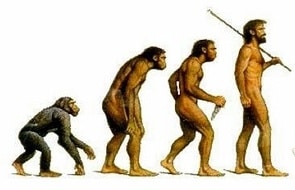
The famous The March of Progress illustration, known as The Road to Homo Sapiens, was created for the Early Man volume of the Life Nature Library, published in 1965.
The Tongan Castaways were six boys who stole a boat and were stranded on a deserted island in 1965, staying there for 15 months before rescue. Called a real-life Lord of the Flies, the boys built a “commune” with a garden, permanent fire, gym, and badminton court.
The snowboard was invented on Christmas Day, 1965, in Muskegon, Michigan, by Sherman Poppen, who was trying to distract his kids from his pregnant wife. It was originally called The Snurfer.
The flag of Canada was adopted on February 15, 1965.
Cosmonaut Alexei Leonov was the first person to ‘walk’ in space on March 18th, next to the Voskhod 2.
Astronaut John Young smuggled an illegal corned beef sandwich onboard the Gemini 3 spacecraft in 1965. He was given the first reprimand in NASA space mission history, and his snack remains the only contraband sandwich ever to make it into space.
On December 16, 1965, astronauts Wally Schirra and Tom Stafford became the first people to perform music in space when they played Jingle Bells on harmonica and bells that they smuggled onto the Gemini VI.
NASA, as a practical joke, played a parody of Hello Dolly, one of the biggest hits of the year, to wake the Gemini 6 crew in 1965. That started the tradition of waking astronauts up with songs.
After being rejected by 20 publishers, Frank Herbert’s 1965 sci-fi classic Dune was finally picked up by Chilton Books. The publisher was previously known only for those big car repair manuals sold in auto parts stores.
Oceanic Airlines was at the center of Lost, but Oceanic has been mentioned dozens of times in Pop Culture, starting with a 1965 episode of Flipper.
Julie Andrews was the lead in the original Broadway production of My Fair Lady, but not in the 1964 film due to not being well-known enough; the role eventually went to Audrey Hepburn. Julie won the 1965 Best Actress Oscar over Hepburn for playing Mary Poppins.
Slumber Party Barbie dolls came with a diet book entitled How to Lose Weight telling her “Don’t eat!” and a bathroom scale set at 110 lbs.
In May 1965, Minnesota’s “Twin Cities” were at different times for two weeks when St. Paul and Minneapolis disagreed on when to start Daylight Saving Time.
The most successful Bond movie ever is Thunderball, released in 1965. The movie made over $141 million, over $1 billion today when inflation is adjusted.
James Russell invented the compact disc in 1965, although the public first got the first taste of this invention in 1980.
The first use of the F-word on television was on November 13, 1965, by literary agent Kenneth Tynan during a satirical discussion show on the BBC.
The first-ever “swear word” heard on American prime-time network TV was “damn” by “Miss Pringle” and was uttered on an episode of Favorite Martian in 1965.
Al Primo, news director of Philadelphia’s KYW Channel 3, coined the term “Eyewitness News.”
In 1965, Bob Dylan said that if he ever sold out to a commercial interest, it would be “ladies’ garments.” In 2007, he and his music appeared in a Victoria’s Secret commercial.
One of Aretha Franklin’s most popular songs, Respect, is a cover and was originally recorded by Otis Redding in 1965.
On The Rolling Stones record sleeves between 1963 and 1965, the band used the songwriter pseudonym “Nanker/Phelge” for collaborations where all band members took equal credit.
The lyrics from The Byrds’ 1965 song Turn! Turn! Turn! is taken almost verbatim from the book of Ecclesiastes in the King James Bible.
Joseph Licklider’s 1962 idea became a reality with his Intergalactic Computer Network in 1965, the first internet.
The largest newspaper to ever be printed for one day was the New York Times. It was a Sunday, October 17, 1965. The paper had 15 sections with 946 pages and weighed 7 1/2 lbs.
Mammoth Bone Hut’ is the oldest house structure in the world – it is 15,000 years old and was found in 1965 near Kyiv, Ukraine.
The first T.G.I. Friday’s restaurant opened in Manhattan.
Pickleball is a game that combines elements of badminton, tennis, and ping pong and has been around since 1965.
Gatorade was developed by the University of Florida in 1965 to give its players a competitive boost. The name comes from the UoF mascot, the Florida Gators.
Dick Butkus was drafted by both the Chicago Bears (NFL) and the Denver Broncos (AFL) in 1965, then had a few days to decide where to play. He chose the Bears for less money.
Vietnam War
Milton Olive III sacrificed his own life to save a group of soldiers by jumping onto a live grenade. He was posthumously awarded the Medal of Honor award, becoming the first African American of the Vietnam War to do so.
A Quaker named Norman Morrison set himself on fire in the parking lot of the Pentagon to protest the Vietnam War.
Lurleen Wallace (September 19, 1926 – May 7, 1968)
Lurleen Wallace was the first female governor of Alabama. Elected in 1967 and died 18 months later in office from cancer. Diagnosed in 1961, the doctor (as was the custom at that time) told her husband, Gov. George Wallace, who then kept the information secret from her until 1965.
The Habits
Bouncing Wham-O’s Super-balls, Troll Dolls (Year 3) Reading Unsafe at Any Speed by Ralph Nader
1st Appearances & 1965’s Most Popular Christmas Gifts, Toys and Presents
Operation, Moon McDare action figures, James Bond Aston Martin from Corgi, Aurora Models, Green Ghost Game, Bash! Game, Flea Circus, Super Ball (which could bounce at 92% of the prior bounce), Rock Em’ Sock Em’ Robots, Mystery Date
Best Film Oscar Winner
My Fair Lady (presented in 1965)
Broadway Show
Man of La Mancha (Musical) Opened on November 22, 1965, and closed on June 26, 1971 Cactus Flower (Play) Opened on December 8, 1965, and closed on November 23, 1968
Popular and Best-selling Books From 1965
The Ambassador by Morris West Ariel by Sylvia Plath The Autobiography of Malcolm X as told to Alex Haley Cosmicomics by Italo Calvino Don’t Stop the Carnival by Herman Wouk Dune by Frank Herbert Fox in Socks by Dr. Seuss The Gospel According to Peanuts by Robert L. Short The Green Berets by Robin Moore Herzog by Saul Bellow Hotel by Arthur Hailey Kosmos by Witold Gombrowicz The Looking Glass War by John le Carré The Man with the Golden Gun by Ian Fleming The Painted Bird by Jerzy Kosinski The Source by James A. Michener Those Who Love by Irving Stone Unsafe at Any Speed – Ralph Nader Up the Down Staircase by Bel Kaufman
1965 Most Popular TV Shows
1. Bonanza (NBC) 2. Gomer Pyle U.S.M.C. (CBS) 3. The Lucy Show (CBS) 4. The Red Skelton Show (CBS) 5. Batman (Thursday, ABC) 6. The Andy Griffith Show (CBS) 7. Bewitched (ABC) 8. The Beverly Hillbillies (CBS) 9. Hogan’s Heroes (CBS) 10. Batman (Wednesday, ABC)
1965 Billboard Number One Songs
December 26, 1964 – January 15, 1965: I Feel Fine – The Beatles
January 16 – January 22: Come See About Me – The Supremes
September 25 – October 1: Eve of Destruction – Barry McGuire
October 2 – October 8: Hang on Sloopy – The McCoys
October 9 – November 5: Yesterday – The Beatles
November 6 – November 19: Get Off My Cloud – Rolling Stones
November 20 – December 3: I Hear A Symphony – The Supremes
December 4 – December 24: Turn! Turn! Turn! – The Byrds
December 25, 1965 – December 31, 1965: Over and Over – The Dave Clark 5
Sports
World Series Champions: Los Angeles Dodgers NFL Champions: Green Bay Packers AFL Champions: Buffalo Bills NBA Champions: Boston Celtics Stanley Cup Champs: Montreal Canadians U.S. Open Golf Gary Player U.S. Tennis: (Men/Ladies) Manuel Santana/ Margaret Smith Wimbledon (Men/Women): Roy Emerson/Margaret Smith NCAA Football Champions: Alabama & Michigan NCAA Basketball Champions: UCLA Kentucky Derby: Lucky Debonair
Winners Announced: April 13, 1965 Televised: May 18, 1965 Held at: Beverly Hilton Hotel, Beverly Hills Host/Emcee: Steve Allen Eligibility Year: December 1, 1963 – November 30, 1964
Grammy Highlights and Achievements
Beatles Invasion: The Beatles won their first Grammy for Best New Artist, officially marking the British Invasion in the American music scene.
Jazz Legend Takes the Stage: Stan Getz & João Gilberto’s Getz/Gilberto scored multiple wins, including Album of the Year and Best Jazz Instrumental Album.
“Hello, Dolly!” Triumph: Louis Armstrong’s Hello, Dolly! won Song of the Year, beating out stiff competition.
Folk Rising: Bob Dylan received recognition with a Grammy for Best Folk Recording for his iconic album The Times They Are A-Changin’.
Trivia
Roger Miller’s Bonanza: The country singer had a big night, taking home five awards, including Best Country & Western Album for Dang Me/Chug-a-Lug.
Back-to-Back Host: Steve Allen, well known as the first host of The Tonight Show, returned to host the Grammy ceremony for the second year in a row.
Henry Mancini’s Musical Prowess: He continued to cement his reputation, winning Best Original Score for the movie The Pink Panther.
Novelty Honors: Allan Sherman’s Hello Muddah, Hello Fadduh received the Best Comedy Performance award, adding some lightheartedness to the ceremony.
Record of the Year: The Girl From Ipanema – Stan Getz and Astrud Gilberto
Album of the Year: Getz/Gilberto, Stan Getz and Joao Gilberto (Verve)
Song of the Year: Hello, Dolly! – Jerry Herman, songwriter
Best New Artist of 1964: The Beatles
Most Promising New Recording Artist: Marilyn Horne
Best Vocal Performance, Male: Hello, Dolly! – Louis Armstrong
Best Vocal Performance, Female: People – Barbra Streisand
Best Performance By a Vocal Group: A Hard Day’s NightA Hard Day’s Night – The Beatles
Best Performance By a Chorus: The Swingle Singers Going Baroque – Swingle Singers
Best Rock and Roll Recording: Downtown – Petula Clark (Warner Brothers)
Best Rhythm and Blues Recording: How Glad I Am – Nancy Wilson (Capitol)
Best Instrumental Jazz Performance, Small Group or Soloist With Small Group: Getz/Gilberto, Stan Getz
Best Instrumental Jazz Performance, Large Group or Soloist With Large Group: Guitar From Ipanema – Laurindo Almeida
Best Original Jazz Composition: The Cat – Lalo Schifrin, Composer
Best Country and Western Single: Dang Me – Roger Miller
Best Country and Western Album: Dang Me/Chug-a-Lug – Roger Miller (Smash):
Best Country and Western Song: Dang Me – Roger Miller, songwriter
Best Country and Western Vocal Performance, Male: Dang Me – Roger Miller
Best Country and Western Vocal Performance, Female: Here Comes My Baby – Dottie West
Best New Country and Western Artist of 1964: Roger Miller
Best Gospel or Other Religious Recording (Musical): Great GospelGreat Gospel Songs – Tennessee Ernie Ford (Capitol)
Best Folk Recording: We’ll Sing in the Sunshine – Gale Garnett (RCA)
Best Instrumental Arrangement: The Pink Panther Theme – Henry Mancini, arranger
Best Accompaniment Arrangement for Vocalist(s) or Instrumentalist(s): People – Peter Matz, arranger
Best Instrumental Composition (Other Than Jazz): The Pink Panther Theme – Henry Mancini, Composer
Best Instrumental Performance, Non-Jazz: The Pink Panther Theme – Henry Mancini
Best Score From an Original Cast Show Album: Funny Girl – Jule Styne and Bob Merrill, composers (Capitol)
Best Original Score Written for a Motion Picture or Television Show: Mary Poppins, Richard M. Sherman and Robert B. Sherman, composers
Album of the Year, Classical: Bernstein, Symphony No. 3 (‘Kaddish’) – Leonard Bernstein conducting New York Philharmonic Orchestra (Columbia)
Best Classical Performance, Orchestra: Mahler, Symphony No. 5 in C-Sharp Minor; Berg, ‘Wozzeck’ Excerpts – Erich Leinsdorf conducting Boston Symphony
Best Chamber Performance, Instrumental: Beethoven, Trio No. 1 in E-Flat, Op. 1, No. 1 – Jascha Heifetz and Gregor Piatigorsky; Jacob LateinerJacob Lateiner, pianist
Best Chamber Music Performance, Vocal: It Was a Lover and His Lass, Morley, Byrd and others – Noah GreenbergNoah Greenberg conducting New York Pro MusicaNew York Pro Musica
Best Classical Performance, Instrumental Soloist(s) (With Orchestra): Prokofiev, Concerto No. 1 in D Major for Violin, Isaac Stern; Eugene Ormandy conducting Philadelphia Orchestra
Best Performance, Instrumental Soloist (Without Orchestra): Vladimir Horowitz Plays Beethoven, Debussy, Chopin (Beethoven, Sonata No. 8 Pathetique; Debussy, Preludes; Chopin, Etudes and ScherzosScherzos 1’4) – Vladimir Horowitz
Best OperaOpera Recording: Bizet, Carmen – Herbert von Karajan conducting Vienna Philharmonic Orchestra and Chorus; solos: Price, Corelli, Merrill and Freni (RCA)
Best Classical Choral Performance (Other Than Opera): Britten, A Ceremony of Carols – Robert Shaw conducting Robert Shaw Chorale
Best Classical Vocal Soloist Performance (With or Without Orchestra): Berlioz, Nuits d’Ete Falla: El Amor Brujo, Leontyne Price – Fritz Reiner conducting Chicago Symphony
Best Classical Composition By a Contemporary Composer: Samuel Barber – Concerto
Best Comedy Performance: I Started Out as a Child – Bill Cosby
Best Documentary, Spoken Word or Drama Recording (Other Than Comedy): BBC Tribute to John F. Kennedy, That Was the Week That Was, cast (Decca)
Best Recording for Children: Mary Poppins, Julie Andrews and Dick Van Dyke (Buena Vista)
Best Album Cover: People – Robert Cato, art director; Don Bronstein, photographer (Columbia)
Best Album Cover, Classical: Saint-SaënsSaint-Saëns, Carnival of the Animals; Britten, Young Person’s Guide to the Orchestra – Robert Jones, art director; Jan Balet, graphic artist (RCA)
Best Album Notes: Mexico (Legacy Collection) – Stanton Catlin and Carleton Beals, annotators (Columbia)
Winners Announced: April 5, 1965 Held at: Santa Monica Civic Auditorium, Santa Monica, California Host: Bob Hope Eligibility Year: 1964
Cinematic Highlights and Achievements
My Fair Lady Triumphs: The film adaptation of the Broadway musical was the star of the night, winning eight Oscars, including Best Picture and Best Director for George Cukor.
Rex Harrison’s Iconic Role: Harrison snagged the Best Actor award for his portrayal of Professor Henry Higgins in My Fair Lady.
Historic Firsts: Sidney Poitier presented the Best Actress award, marking the first time an African American had presented in a major Oscar category.
Disney’s Double: Mary Poppins and The Jungle Book were both in the limelight, with the former landing five wins and the latter earning massive box office success.
Trivia
“Chim Chim Cher-ee” Magic: The song from Mary Poppins won Best Original Song, a victory for the Sherman Brothers who composed it.
Political Undertones: Dr. Strangelove or: How I Learned to Stop Worrying and Love the Bomb was a notable dark comedy that satirized Cold War tensions, but only won for Best Adapted Screenplay.
Bob Hope’s Record Hosting: With the 37th Academy Awards, Bob Hope continued to extend his hosting record, having hosted or co-hosted the event for the 13th time.
Foreign Flair: Yesterday, Today and Tomorrow from Italy took home the Best Foreign Language Film, adding some international flair to the ceremony.
Mary Poppins earned 13 nominations, winning 5 Oscars.
My Fair Lady and Becket each earned 12 nominations, My Fair Lady won 8 Oscars. Becket won 1 Award.
Audrey Hepburn played Eliza Dolittle in My Fair Lady, and Marni Nixon snag her songs in the film.
This was the only year in Oscar history where three different films got twelve or more nominations: Becket and My Fair Lady each received twelve, while Mary Poppins received thirteen.
Best Picture: My Fair Lady – Jack L. Warner (WINNER) Becket – Hal B. Wallis Dr. Strangelove – Stanley Kubrick Mary Poppins – Walt Disney and Bill Walsh s Zorba the Greek – Michael Cacoyannis
Best Director: George Cukor – My Fair Lady (WINNER) Peter Glenville – Becket Stanley Kubrick – Dr. Strangelove Robert Stevenson – Mary Poppins Michael Cacoyannis – Zorba the Greek
Best Actor: Rex Harrison – My Fair Lady as Professor Henry Higgins (WINNER) Richard Burton – Becket as Thomas Becket Peter O’Toole – Becket as King Henry II of England Anthony Quinn – Zorba the Greek as Alexis Zorba Peter Sellers – Dr. Strangelove as Group Captain Lionel Mandrake/President Merkin Muffley/Dr. Strangelove
Best Actress: Julie Andrews – Mary Poppins as Mary Poppins (WINNER) Anne Bancroft – The Pumpkin Eater as Jo Armitage Sophia Loren – Marriage Italian Style as Filumena Marturano Debbie Reynolds – The Unsinkable Molly Brown as Molly Brown Kim Stanley – Séance on a Wet Afternoon as Myra Savage
Best Supporting Actor: Peter Ustinov – Topkapi as Arthur Simon Simpson (WINNER) John Gielgud – Becket as King Louis VII of France Stanley Holloway – My Fair Lady as Alfred P. Doolittle Edmond O’Brien – Seven Days in May as Senator Ray Clark Lee Tracy – The Best Man as Art Hockstader
Best Supporting Actress: Lila Kedrova – Zorba the Greek as Madame Hortense (WINNER) Gladys Cooper – My Fair Lady as Mrs. Higgins Edith Evans – The Chalk Garden as Mrs. St. Maugham Grayson Hall – The Night of the Iguana as Judith Fellowes Agnes Moorehead – Hush…Hush, Sweet Charlotte as Velma Cruther
Best Story and Screenplay Written Directly for the Screen: Father Goose – S. H. Barnett, Peter Stone and Frank Tarloff (WINNER) A Hard Day’s Night – Alun Owen One Potato, Two Potato – Orville H. Hampton and Raphael Hayes The Organizer – Agenore Incrocci, Furio Scarpelli and Mario Monicelli That Man from Rio – Jean-Paul Rappeneau, Ariane Mnouchkine, Daniel Boulanger and Philippe de Broca
Best Screenplay Based on Material from Another Medium: Becket – Edward Anhalt from Becket by Jean Anouilh (WINNER) Dr. Strangelove – Stanley Kubrick, Terry Southern and Peter George from Red Alert by Peter George Mary Poppins – Bill Walsh and Don DaGradi from Mary Poppins by P. L. Travers My Fair Lady – Alan Jay Lerner from My Fair Lady by Alan Jay Lerner and Pygmalion by George Bernard Shaw Zorba the Greek – Michael Cacoyannis from The Life of Alexis Zorba by Nikos Kazantzakis
Best Foreign Language Film: Yesterday, Today and Tomorrow (Italy) (WINNER) Raven’s End (Sweden) Sallah Shabati (Israel) The Umbrellas of Cherbourg (France) Woman in the Dunes (Japan)
Best Song: “Chim Chim Cher-ee” from Mary Poppins – Music and Lyrics by Richard M. Sherman and Robert B. Sherman (WINNER) “Dear Heart” from Dear Heart – Music by Henry Mancini; Lyrics by Jay Livingston and Ray Evans “Hush, Hush, Sweet Charlotte” from Hush…Hush, Sweet Charlotte – Music by Frank De Vol; Lyrics by Mack David “My Kind of Town” from Robin and the 7 Hoods – Music by Jimmy Van Heusen; Lyrics by Sammy Cahn “Where Love Has Gone” from Where Love Has Gone – Music by Jimmy Van Heusen; Lyrics by Sammy Cahn
Best Documentary Feature: Jacques-Yves Cousteau’s World Without Sun (WINNER) 14-18 The Finest Hours Four Days in November The Human Dutch
Best Documentary Short Subject: Nine from Little Rock (WINNER) 140 Days Under the World Breaking the Habit Children Without Eskimo Artist: Kenojuak
Best Live Action Short Subject: Casals Conducts: 1964 (WINNER) Help! My Snowman’s Burning Down The Legend of Jimmy Blue Eyes
Best Short Subject – Cartoons: The Pink Phink (WINNER) Christmas Cracker How to Avoid Friendship Nudnik #2
Best Music Score – Substantially Original: Mary Poppins – Richard M. Sherman and Robert B. Sherman (WINNER) Becket – Laurence Rosenthal The Fall of the Roman Empire – Dimitri Tiomkin Hush…Hush, Sweet Charlotte – Frank De Vol The Pink Panther – Henry Mancini
Best Scoring of Music – Adaptation or Treatment: My Fair Lady – André Previn (WINNER) A Hard Day’s Night – George Martin Mary Poppins – Irwin Kostal Robin and the 7 Hoods – Nelson Riddle The Unsinkable Molly Brown – Robert Armbruster, Leo Arnaud, Jack Elliott, Jack Hayes, Calvin Jackson and Leo Shuken
Best Sound Effects: Goldfinger – Norman Wanstall (WINNER) The Lively Set – Robert Bratton
Best Sound: My Fair Lady – George Groves (WINNER) Becket – John Cox Father Goose – Waldon O. Watson Mary Poppins – Robert O. Cook The Unsinkable Molly Brown – Franklin Milton
Best Art Direction, Black-and-White: Zorba the Greek – Art Direction and Set Decoration: Vassilis Photopoulos (WINNER) The Americanization of Emily – Art Direction: George Davis, Hans Peters and Elliot Scott; Set Decoration: Henry Grace and Robert R. Benton Hush…Hush, Sweet Charlotte – Art Direction: William Glasgow; Set Decoration: Raphaël Bretton The Night of the Iguana – Art Direction and Set Decoration: Stephen B. Grimes Seven Days in May – Art Direction: Cary Odell; Set Decoration: Edward G. Boyle
Best Art Direction, Color: My Fair Lady – Art Direction: Gene Allen and Cecil Beaton; Set Decoration: George James Hopkins (WINNER) Becket – Art Direction: John Bryan and Maurice Carter; Set Decoration: Patrick McLoughlin and Robert Cartwright Mary Poppins – Art Direction: Carroll Clark and William H. Tuntke; Set Decoration: Emile Kuri and Hal Gausman The Unsinkable Molly Brown – Art Direction: George Davis and E. Preston Ames; Set Decoration: Henry Grace and Hugh Hunt What a Way to Go! – Art Direction: Jack Martin Smith and Ted Haworth; Set Decoration: Walter M. Scott and Stuart A. Reiss
Best Cinematography, Black-and-White: Zorba the Greek – Walter Lassally (WINNER) The Americanization of Emily – Philip H. Lathrop Fate Is the Hunter – Milton Krasner Hush…Hush, Sweet Charlotte – Joseph Biroc The Night of the Iguana – Gabriel Figueroa
Best Cinematography, Color: My Fair Lady – Harry Stradling (WINNER) Becket – Geoffrey Unsworth Cheyenne Autumn – William H. Clothier Mary Poppins – Edward Colman The Unsinkable Molly Brown – Daniel L. Fapp
Best Costume Design, Black-and-White: The Night of the Iguana – Dorothy Jeakins (WINNER) A House Is Not a Home – Edith Head Hush…Hush, Sweet Charlotte – Norma Koch Kisses for My President – Howard Shoup The Visit – René Hubert
Best Costume Design, Color: My Fair Lady – Cecil Beaton (WINNER) Becket – Margaret Furse Mary Poppins – Tony Walton The Unsinkable Molly Brown – Morton Haack What a Way to Go! – Edith Head and Moss Mabry
Best Film Editing: Mary Poppins – Cotton Warburton (WINNER) Becket – Anne V. Coates Father Goose – Ted J. Kent Hush…Hush, Sweet Charlotte – Michael Luciano My Fair Lady – William H. Ziegler
Best Special Visual Effects: Mary Poppins – Peter Ellenshaw, Eustace Lycett and Hamilton Luske (WINNER) 7 Faces of Dr. Lao – Jim Danforth
Academy Honorary Award: William Tuttle “for his outstanding make-up achievement for 7 Faces of Dr. Lao.”
December 7, 1963 – January 3, 1964: The Singing Nun – Dominique January 4, 1964 – January 31, 1964: Bobby Vinton – There! I’ve Said It Again February 1, 1964 – March 20, 1964: The Beatles – I Want to Hold Your Hand March 21, 1964 – April 3, 1964: The Beatles – She Loves You April 4, 1964 – May 8, 1964: The Beatles – Can’t Buy Me Love May 9, 1964 – May 15, 1964: Louis Armstrong – Hello, Dolly! May 16, 1964 – May 29, 1964: Mary Wells – My Guy May 30, 1964 – June 5, 1964: The Beatles – Love Me Do June 6, 1964 – June 26, 1964: The Dixie Cups – Chapel of Love June 27, 1964 – July 3, 1964: Peter and Gordon – A World Without Love July 4, 1964 – July 17, 1964: The Beach Boys – I Get Around July 18, 1964 – July 31, 1964: The Four Seasons – Rag Doll August 1, 1964 – August 14, 1964: The Beatles – A Hard Day’s Night August 15, 1964 – August 21, 1964: Dean Martin – Everybody Loves Somebody August 22, 1964 – September 4, 1964: The Supremes – Where Did Our Love Go September 5, 1964 – September 25, 1964: The Animals – The House of the Rising Sun September 26, 1964 – October 16, 1964: Roy Orbison – Oh, Pretty Woman October 17, 1964 – October 30, 1964: Manfred Mann – Do Wah Diddy Diddy October 31, 1964 – November 27, 1964: The Supremes – Baby Love November 28, 1964 – December 4, 1964: The Shangri-Las – Leader of the Pack December 5, 1964 – December 11, 1964: Lorne Greene – Ringo December 12, 1964 – December 18, 1964: Bobby Vinton – Mr. Lonely December 19, 1964 – December 25, 1964: The Supremes – Come See About Me December 26, 1964 – January 22, 1965: The Beatles – I Feel Fine
(Data is compiled from various charts including Billboard’s “Pop,” “Airplay,” “R&B” and “Singles” Charts. “Hot 100” is the primary chart used starting October, 1958)
World Changing Event: The Civil Rights Act was signed by President Lyndon Johnson, outlawing discrimination based on race, color, religion, sex, or national origin.
The Top Song was I Want To Hold Your Hand by The Beatles
The Movies to Watch include Mary Poppins, My Fair Lady, and Goldfinger.
The Most Famous Person in America was probably Martin Luther King.
The Most Famous People in the World were probably The Beatles.
Notable books include Charlie and the Chocolate Factory by Roald Dahl and The Giving Tree by Shel Silverstein.
The price of 1/2 gallon Holland Dutch Treat ice cream in 1964 was 59 cents. Bulova Hi-Fi Record Player: $59.00
The Creepy Crawlers activity toy (die-cast hot plate) was introduced.
The Fab Four were John Lennon, Paul McCartney, George Harrison, and Ringo Starr- The Beatles
The Funny Late Show Host: Steve Allen The Funny Lady was: Moms Mabley
The Conversation: The US Surgeon General warned about smoking-related health hazards. Were cigarettes really bad for us?
January 8 – President Johnson Declares War on Poverty: In his State of the Union address, President Lyndon B. Johnson announced initiatives to eliminate poverty in the United States.
January 9 – Panama Canal Zone Riots: Clashes between U.S. troops and Panamanian civilians in the Panama Canal Zone resulted in 21 Panamanian and 4 U.S. deaths, escalating tensions between the two nations.
January 11 – Surgeon General’s Smoking Report: The U.S. Surgeon General Luther Terry released a landmark report stating that smoking may be hazardous to health, the first such acknowledgment by the government.
February 9 – The Beatles’ First Appearance on “The Ed Sullivan Show”: The Beatles performed live from New York, drawing an estimated 73.7 million television viewers and igniting Beatlemania in the U.S.
March 6 – Cassius Clay Becomes Muhammad Ali: Boxing legend Cassius Clay announced his conversion to Islam and changed his name to Muhammad Ali, calling his former title a “slave name.”
March 27 – Great Alaska Earthquake: A magnitude 9.2 earthquake struck Alaska, causing 139 deaths and significant damage, marking the largest U.S. earthquake and the second most recorded.
April 13 – 36th Academy Awards: Tom Jones won Best Film, Patricia Neal (for Hud) and Sidney Poitier (for Lilies of the Field) received acting honors; Poitier became the first Black actor in a leading role to win a competitive Oscar.
June 21 – Murders of Civil Rights Workers in Mississippi: Three civil rights workers—James Chaney, Andrew Goodman, and Michael Schwerner—disappeared in Philadelphia, Mississippi; their bodies were later found buried in an earthen dam, highlighting racial violence in the South.
July 2 – Civil Rights Act Signed into Law: President Johnson signed the Civil Rights Act of 1964, abolishing racial segregation in public schools, accommodations, and voting registration.
August 4 – Gulf of Tonkin Incident: Reports of attacks on U.S. naval vessels by North Vietnamese forces in the Gulf of Tonkin led to increased U.S. involvement in Vietnam.
August 7 – Gulf of Tonkin Resolution Passed: The U.S. Congress passed the resolution, authorizing President Johnson to take all necessary measures to repel armed attacks against U.S. forces, effectively escalating the Vietnam War.
October 14 – Nobel Peace Prize Awarded to Martin Luther King Jr.: Civil rights leader Martin Luther King Jr. was awarded the Nobel Peace Prize for his nonviolent struggle against racial inequality.
October 16 – China’s First Nuclear Test: The People’s Republic of China successfully detonated its first atomic bomb, becoming the world’s fifth nuclear power.
November 3 – Lyndon B. Johnson Re-Elected as U.S. President: President Johnson won a landslide victory over Republican candidate Barry Goldwater, securing his first full term in office.
December 10 – Dr. Martin Luther King Jr. Receives Nobel Peace Prize: King was honored in Oslo, Norway, becoming the youngest person to receive the Nobel Peace Prize.
December 14 – Heart of Atlanta Motel v. United States: The U.S. Supreme Court upheld the Civil Rights Act of 1964, ruling that Congress could use its power to regulate interstate commerce to prohibit racial discrimination in public accommodations.
Freedom Summer in Mississippi: A campaign to register African-American voters in Mississippi faced violent resistance, including the murders of civil rights workers, but brought national attention to the civil rights movement.
British Invasion of Music in the U.S.: British bands like The Beatles and The Rolling Stones dominated American music charts, significantly influencing the global music scene. Economic Opportunity Act Enacted: As part of the War on Poverty, the act provided federal funds for vocational training, established Job Corps, and aimed to eliminate poverty and expand educational opportunities.
Race Riots in U.S. Cities: Incidents of racial violence and protests erupted in cities like Harlem and Philadelphia, highlighting ongoing racial tensions and the struggle for civil rights. Introduction of the Ford Mustang: Ford Motor Company introduced the Mustang, creating a new class of automobiles known as the “pony car” and achieving significant commercial success.
Tokyo Hosted Summer Olympics: The 1964 Summer Olympics were held in Tokyo, Japan, marking the first time the Olympics took place in Asia and showcasing Japan’s post-war recovery and technological advancements. Introduction of Pop-Tarts: Kellogg’s launched Pop-Tarts, an iconic toaster pastry that quickly became a breakfast favorite in American households.
Berkeley Free Speech Movement: Students at the University of California, Berkeley, initiated protests demanding academic freedom and free speech, influencing future student movements. Publication of Roald Dahl’s Charlie and the Chocolate Factory*: Roald Dahl’s classic children’s book was published, introducing the magical world of Willy Wonka and his chocolate factory.
Top Ten Baby Names of 1964
Lisa, Mary, Susan, Karen, Patricia, Michael, John, David, James, Robert
The Sex Symbols, Hotties and Fashion Icons
Ursula Andress, Brigitte Bardot, Carroll Baker, Honor Blackman, Claudia Cardinale, Doris Day, Catherine Deneuve, Angie Dickinson, Shirley Eaton, Annette Funicello, Sophia Loren, Tina Louise, Babette March, Ann-Margret, Julie Newmar, Kim Novak, Elke Sommer, Elizabeth Taylor, Veruschka
Sex Symbols and Hollywood Hunks
Sean Connery, Elvis Presley, George Harrison, Ringo Starr, John Lennon, Paul McCartney
“The Quotes”
“Skipper!” – Gilligan
“Does she or doesn’t she?” -Clairol
“Gentlemen, you can’t fight in here! This is the War Room!” – Peter Sellers, in ‘Dr. Strangelove’
“Come alive! You’re in the Pepsi generation.” – Pepsi
“A martini. Shaken, not stirred.” – Sean Connery, as James Bond, in ‘Goldfinger’
“Please don’t squeeze the Charmin.” – Dick Wilson, as Mr. George Whipple
“Let your fingers do the walking” -Yellow Pages
“Put a tiger in your tank.” – Esso (later Exxon)
Time Magazine’s Man of the Year
Lyndon B. Johnson
Miss America
Donna Axum (El Dorado, AR)
Miss USA
Bobbie Johnson (District of Colombia)
The Scandals
Audrey Hepburn did not get an Oscar nomination for her performance in My Fair Lady. Marni Nixon did the singing, so the Academy figured it was “half a performance.”
Pop Star Death: Sam Cooke (murder, he was drinking and there was a misunderstanding)
The FBI sent a letter to Martin Luther King Jr., and it suggested that he commit suicide.
Kitty Genovese was murdered in 1964, and up to ~37 witnesses nearby did not act. The incident helped create the 911 emergency phone call system.
“Daisy” Attack Ad from the 1964 Presidential Election against Barry Goldwater only ran once.
Fashion designers Andre Courreges and Mary Quant introduced the miniskirt, scandalizing society.
U.S. paper currency is made Legal Tender for all Debts, Public and Private. According to the U.S. Constitution, it must be backed by gold. It isn’t anymore.
The Scary
In 1964, Three young Ph.D. grads were paid to develop a nuclear weapon design with public information in The Nth Country Experiment. They did so in less than three years. The report was classified.
Earthquake: The Great Alaskan Earthquake of 1964 was a magnitude 9.2 megathrust earthquake, lasting 4 minutes and 39 seconds. It was the most powerful earthquake recorded in North American history, and 139 people died.
Hope
The Hiroshima Flame of Peace was lit on August 1, 1964, in the hope of a world without nuclear weapons, and it will continue to burn until nuclear weapons are abolished worldwide. #peace
1964 Pop Culture Facts
The three rings around the Unisphere, the Queens, NY centerpiece for the 1964 World’s Fair, represented the orbital flights of Yuri Garagrin, the first man in space, John Glenn, the first American in space, and Telestar, the first active communications satellite.
Mr. Potato Head kits came without a body from 1952 until 1964. Real #potatoes were used until then.
The FBI spent four months investigating the song Louie Louie by The Kingsmen after receiving complaints about obscene lyrics. The investigation ended without persecution.
The Beatles are the only artists to hold all top 5 spots on the Billboard Hot 100 on the same week, April 4, 1964. #1. Can’t Buy Me Love, #2. Twist and Shout, #3. She Loves You, #4. I Want to Hold Your Hand, #5. Please, Please Me. In 1964, the best-selling Beatles merchandise was the “I Love Ringo” lapel pins.
The Beatles had 7 ‘Platinum’ Albums in 1964 – Introducing… The Beatles, Meet the Beatles!, The Beatles’ Second Album, A Hard Day’s Night, Something New, Beatles for Sale, and Beatles ’65 sold over one million copies.
Feb 9 – The Beatles appeared on the Ed Sullivan Show.
President Lyndon Johnson declared a “War on Poverty” in his first State of the Union Address.
The film The Battle of the Bulge was so historically inaccurate that President Dwight D Eisenhower came out of retirement and held a press conference just to denounce the film.
The US had no Vice President for all of 1964. Lyndon Johnson never named a replacement. Hubert Humphrey became VP when he was inaugurated in 1965.
Jack White’s iconic guitar originally came from Montgomery Ward and was sold for $99 in 1964,
Soviet gymnast Larissa Latynina holds the record for the most Olympic medals ever won by a female. Competing in three Olympics between 1956 and 1964, she won 18 medals.
Jazz artist Dizzy Gillespie ran for president, promising to rename the White House “the Blues House” and appoint Ray Charles, librarian of Congress, Miles Davis, head of the CIA, and Malcolm X, attorney general.
You’ve Lost That Lovin’ Feelin’, co-written by Phil Spector, was first performed by the Righteous Brothers. The song has received more airplay on radio and television than any other song in the 1900s.
The Ford Mustang was introduced.
The Sharpie marker was introduced. The Extra Fine Point came out in 1979, and the Ultra Fine Point was released in 1989.
The BASIC (Beginner’s All-Purpose Symbolic Instruction Code) computer language was created.
Hello, Dolly! opened in New York’s St. James Theatre.
Roald Dahl’s Charlie and the Chocolate Factory was published.
Merv Griffin’s game show Jeopardy! debuted on NBC. Art Fleming was the first host.
David Bowie’s first TV appearance was in 1964; he was interviewed on the BBC’s Tonight as the founder of ‘The Society of the Prevention of Cruelty to Long-Haired Men’.
Robert Moog developed his first electronic music synthesizer. RCA created the first music synthesizer in 1953
The Updated Hippocratic Oath, rewritten in 1964 by Louis Lasagna
I swear to fulfill, to the best of my ability and judgment, this covenant: I will respect the hard-won scientific gains of those physicians in whose steps I walk, and gladly share such knowledge as is mine with those who are to follow. I will apply, for the benefit of the sick, all measures [that] are required, avoiding those twin traps of overtreatment and therapeutic nihilism. I will remember that there is art to medicine as well as science, and that warmth, sympathy, and understanding may outweigh the surgeon’s knife or the chemist’s drug. I will not be ashamed to say “I know not,” nor will I fail to call in my colleagues when the skills of another are needed for a patient’s recovery. I will respect the privacy of my patients, for their problems are not disclosed to me that the world may know. Most especially must I tread with care in matters of life and death. If it is given me to save a life, all thanks. But it may also be within my power to take a life; this awesome responsibility must be faced with great humbleness and awareness of my own frailty. Above all, I must not play at God. I will remember that I do not treat a fever chart, a cancerous growth, but a sick human being, whose illness may affect the person’s family and economic stability. My responsibility includes these related problems if I am to care adequately for the sick. I will prevent disease whenever I can, for prevention is preferable to cure. I will remember that I remain a member of society, with special obligations to all my fellow human beings, those sound of mind and body as well as the infirm. If I do not violate this oath, may I enjoy life and art, respected while I live and remembered with affection thereafter. May I always act so as to preserve the finest traditions of my calling and may I long experience the joy of healing those who seek my help.
Nobel Prize Winners
Physics – Charles Hard Townes, Nicolay Gennadiyevich Basov, Aleksandr Prokhorov Chemistry – Dorothy Crowfoot Hodgkin Physiology or Medicine – Konrad Bloch, Feodor Lynen Literature – Jean-Paul Sartre Peace – Martin Luther King Jr. *Jean-Paul Sartre declined his prize, saying “A writer should not allow himself to be turned into an institution”.
The Habits
Troll Dolls (Year 2) Watching the cool kids drive their Ford Mustangs Reading The Giving Tree by Shel Silverstein.
1st Appearances & 1964’s Most Popular Christmas Gifts, Toys and Presents
Easy Bake Oven, G.I. Joe, Rat Fink Collectible Hot Rod Figures, Password Game, Mighty Tonka Dump Truck (continued to be made popular in the 1970s due to the elephant stepping on it during a commercial), PLASTIC Mr. Potato Head, Wham-O Professional Frisbees, Monster Magnet, Rube Goldberg’s Animated Hobby Kit, Hand’s Down (with Slam-O-Matic)
Best Film Oscar Winner
Tom Jones (presented in 1964)
Broadway Shows
Hello, Dolly! (Musical) Opened on January 16, 1964, and closed on December 27, 1970 Funny Girl (Musical) Opened on March 26, 1964 and closed on July 1, 1967 Fiddler on the Roof (Musical) Opened on September 22, 1964, and closed on July 2, 1972
Popular and Best-selling Books From 1964
A Moveable Feast by Ernest Hemingway Armageddon by Leon Uris Richard Scarry’s Best Mother Goose Ever by Richard Scarry Candy by Terry Southern and Mason Hoffenberg Charlie and the Chocolate Factory by Roald Dahl Chitty-Chitty-Bang-Bang by Ian Fleming Convention by Fletcher Knebel and Charles W. Bailey II Come Back, Dr. Caligari by Donald Barthelme The Giving Tree – Shel Silverstein The Group – Mary McCarthy Herzog by Saul Bellow How the Grinch Stole Christmas by Dr. Seuss It’s Like This, Cat by Emily Cheney Neville Last Exit To Brooklyn by Hubert Selby Jr. The Man by Irving Wallace The Martyred by Richard E. Kim The Rector of Justin by Louis Auchincloss This Rough Magic by Mary Stewart The Spy Who Came in from the Cold by John le Carré The Virtue of Selfishness by Ayn Rand You Only Live Twice by Ian Fleming
1964 Most Popular TV Shows
1. Bonanza (NBC) 2. Bewitched (ABC) 3. Gomer Pyle U.S.M.C. (CBS) 4. The Andy Griffith Show (CBS) 5. The Fugitive (ABC) 6. The Red Skelton Show (CBS) 7. The Dick Van Dyke Show (CBS) 8. The Lucy Show (CBS) 9. Peyton Place II (ABC) 10. Combat (ABC)
1964 Billboard Number One Songs
December 7, 1963 – January 3, 1964: Dominique – The Singing Nun
January 4 – January 31: There! I’ve Said It Again – Bobby Vinton
February 1 – March 20: I Want To Hold Your Hand – The Beatles
June 27 – July 3: A World Without Love – Peter & Gordon
July 4 – July 17: I Get Around – The Beach Boys
July 18 – July 31: Rag Doll – The Four Seasons
August 1 – August 14: A Hard Day’s Night – The Beatles
August 15 – August 21: Everybody Loves Somebody – Dean Martin
August 22 – September 14: Where Did Our Love Go – The Supremes
September 5 – September 25: The House Of The Rising Sun – The Animals
September 26 – October 16: Oh, Pretty Woman – Roy Orbison
October 17 – October 30: Do Wah Diddy Diddy – Manfred Mann
October 31 – November 27: Baby Love – The Supremes
November 28 – December 4: Leader Of The Pack – The Shangri-Las
December 5 – December 11: Ringo – Lorne Greene
December 12 – December 18: Mr. Lonely – Bobby Vinton
December 19 – December 25: Come See About Me – The Supremes
December 26, 1964 – January 15, 1965: I Feel Fine – The Beatles
Sports
World Series Champions: St. Louis Cardinals NFL Champions: Cleveland Browns AFL Champions: Buffalo Bills NBA Champions: Boston Celtics Stanley Cup Champs: Toronto Maple Leafs U.S. Open Golf Ken Venturi U.S. Tennis: (Men/Ladies) Roy Emerson/Maria Bueno Wimbledon (Men/Women): Roy Emerson/Maria Bueno NCAA Football Champions: Alabama & Arkansas & Notre Dame NCAA Basketball Champions: UCLA Kentucky Derby: Northern Dancer
Winners Announced: May 12, 1964 Held at: Chicago, Los Angeles and New York Host: Dean Martin Eligibility Year: December 1, 1962 – November 30, 1963
Musical Highlights and Achievements
Barbra’s Big Night: Barbra Streisand dazzled the Grammys with her debut album, taking home two awards, including Album of the Year for The Barbra Streisand Album.
“Days of Wine and Roses” Domination: Henry Mancini’s Days of Wine and Roses won the Song of the Year award and became an instant classic.
Jazz Takes the Stage: Jazz great Stan Getz and João Gilberto’s bossa nova record Getz/Gilberto was a critical success, winning the Best Jazz Instrumental Album.
Legendary Ladies: Streisand and Ella Fitzgerald were among the women who shone that night, highlighting the influence of female artists in a largely male-dominated industry.
Trivia
Frank Sinatra’s Absence: Despite his influence and the release of The Concert Sinatra, the legend was notably absent from the winners’ list.
British Invasion Lags Behind: Even though The Beatles had ignited a global frenzy, their work didn’t capture Grammy gold until later years.
Dean Martin, the Rat Pack Charmer: The host, known for his smooth voice and comedic timing, was a key member of the legendary Rat Pack, enhancing the evening’s glamorous vibe.
Streisand’s Swift Rise: At just 21, Barbra Streisand became one of the youngest Album of the Year winners at the time.
Record of the Year: The Days of Wine and Roses – Henry Mancini
Album of the Year: The Barbra Streisand AlbumThe Barbra Streisand Album – Barbra Streisand (Columbia)
Song of the Year: The Days of Wine and Roses – Henry Mancini and Johnny Mercer, composers
Best Vocal Performance, Male: Wives and Lovers – Jack Jones
Best Vocal Performance, Female: The Barbra Streisand Album – Barbra Streisand
Best Performance By a Vocal Group: Blowin’ in the Wind – Peter, Paul and Mary
Best Performance By a Chorus: Bach’s Greatest Hits – Swingle Singers
Best Rock and Roll Recording: Deep Purple – Nino Tempo and April Stevens (Atco):
Best Rhythm and Blues Recording: Busted – Ray Charles (ABC/Paramount):
Best Instrumental Jazz Performance, Soloist or Small Group: Conversations With Myself – Bill Evans
Best Instrumental Jazz Performance, Large Group: Encore: Woody Herman, 1963 – Woody Herman Band
Best Original Jazz Composition: Gravy Waltz – Steve Allen and Ray Brown, composers
Best Country and Western Recording: Detroit City – Bobby Bare (RCA)
Best Gospel or Other Religious Recording (Musical): Dominique – Soeur Sourire (The Singing Nun) (Philips)
Best Folk Recording: Blowin’ in the Wind – Peter, Paul and Mary (Warner Brothers):
Best Performance By an Orchestra for Dancing: This Time by Basie! Hits of the ’50s and ’60s – Count Basie
Best Performance By an Orchestra or Instrumentalist With Orchestra, Not for Jazz or Dancing: Java – Al Hirt
Best Instrumental Arrangement: I Can’t Stop Loving You – Quincy Jones, arranger
Best Background Arrangement: The Days of Wine and Roses – Henry Mancini, arranger
Best Instrumental Theme: More (Theme From Mondo Cane) – Norman NewellNorman Newell, Nino Oliviero and Riz Ortolani, composers
Best Original Score From a Motion Picture or Television Show: Tom Jones – John Addison, Composer
Best Score From an Original Cast Show Album: She Loves Me – Jerry Bock and Sheldon Harnick, composers (MGM)
Album of the Year, Classical: Britten, War Requiem – Benjamin Britten conducting London Symphony Orchestra and Chorus (London)
Most Promising New Classical Recording Artist: André WattsAndré Watts, pianist
Best Classical Performance, Orchestra: BartókBartók, Concerto for Orchestra – Erich Leinsdorf conducting Boston Symphony Orchestra
Best Classical Performance, Chamber Music: Evening of Elizabethan MusicElizabethan Music – Julian Bream Consort
Best Classical Performance, Instrumental Soloist(s) (With Orchestra): Tchaikovsky, Concerto No. 1 in B-Flat Minor for Piano and Orchestra – Artur Rubinstein; Erich Leinsdorf conducting Boston Symphony Orchestra
Best Classical Performance, Instrumental Soloist or Duo (Without Orchestra): The Sound of Horowitz, Vladimir Horowitz
Best Opera Recording: Puccini, Madama Butterfly – Erich Leinsdorf conducting RCA ItalianaRCA Italiana Opera Orchestra and Chorus; solos: Price, Tucker and Elias (RCA)
Best Classical Performance, Choral: Britten, War Requiem – David WillcocksDavid Willcocks directing Bach Choir; Edward Chapman, directing Highgate School; Benjamin Britten conducting London Symphony Orchestra and Chorus
Best Classical Performance, Vocal Soloist (With or Without Orchestra): Great Scenes From Gershwin’s Porgy and BessGershwin’s Porgy and Bess – Leontyne Price
Best Classical Composition By Contemporary Composer: War Requiem – Benjamin Britten, Composer
Best Comedy Performance: Hello Mudduh, Hello Faddah – Allan Sherman
Best Documentary, Spoken Word or Drama Recording (Other Than Comedy): Who’s Afraid of Virginia Woolf? – Edward Albee (Warner Brothers):
Best Recording for Children: Bernstein Conducts for Young People – Leonard Bernstein conducting New York Philharmonic (Columbia)
Best Album Cover, Other Than Classical: The Barbra Streisand Album – John BergJohn Berg, art director (Columbia)
Best Album Cover, Classical: Puccini, Madama Butterfly – Robert Jones, art director (RCA)
Best Album Notes: The Ellington Era – Stanley DanceStanley Dance and Leonard Feather, annotators (Columbia)
Winners Announced: April 13, 1964 Held at: Santa Monica Civic Auditorium, Santa Monica, California Host: Jack Lemmon Eligibility Year: 1963
Cinematic Highlights and Achievements
Tom Jones Galore: The British comedy Tom Jones snagged four Oscars, including Best Picture, and was nominated in six other categories.
First Best Actress Win for a Child Actor: At age 16, Patty Duke won Best Supporting Actress for her role in The Miracle Worker.
British Invasion: A British actor, Sidney Poitier, won Best Actor for Lilies of the Field, becoming the first Black man to win the award.
Disney’s Double Win: The Sword in the Stone gave Disney its sixth Best Animated Feature win, while Mary Poppins took home Best Original Song for “Chim Chim Cher-ee.”
Trivia
Beatles Connection: Despite the British Invasion in the music scene, led by the Beatles, the Oscars that year were more traditionally American in their award selections.
Shortest Acceptance Speech: Patty Duke set a record for the shortest Oscar acceptance speech ever: a simple “Thank you.”
The Great Escape: Despite its commercial success and ensemble cast, The Great Escape didn’t receive a single nomination.
Poitier’s Milestone: Sidney Poitier’s win was more than an Oscar; it was a powerful moment in the civil rights movement.
Best Picture winner Tom Jones was the only film in history to garner three Best Supporting Actress nominations.
Cleopatra (9 nominations) and Tom Jones (10 nominations) each won 4 Oscars.
Sidney Poitier was the first Black actor to win Best Actor.
Best Picture: Tom Jones – Tony Richardson (WINNER) America America – Elia Kazan Cleopatra – Walter Wanger How the West Was Won – Bernard Smith Lilies of the Field – Ralph Nelson
Best Director: Tony Richardson – Tom Jones (WINNER) Federico Fellini – 8½ Elia Kazan – America America Otto Preminger – The Cardinal Martin Ritt – Hud
Best Actor: Sidney Poitier – Lilies of the Field (WINNER) Albert Finney – Tom Jones Richard Harris – This Sporting Life Rex Harrison – Cleopatra Paul Newman – Hud
Best Actress: Patricia Neal – Hud (WINNER) Leslie Caron – The L-Shaped Room Shirley MacLaine – Irma la Douce Rachel Roberts – This Sporting Life Natalie Wood – Love with the Proper Stranger
Best Supporting Actor: Melvyn Douglas – Hud (WINNER) Nick Adams – Twilight of Honor Bobby Darin – Captain Newman, M.D. Hugh Griffith – Tom Jones John Huston – The Cardinal
Best Supporting Actress: Margaret Rutherford – The V.I.P.s (WINNER) Diane Cilento – Tom Jones Edith Evans – Tom Jones Joyce Redman – Tom Jones Lilia Skala – Lilies of the Field
Best Story and Screenplay Written Directly for the Screen: How the West Was Won – James R. Webb (WINNER) 8½ – Federico Fellini, Ennio Flaiano, Tullio Pinelli and Brunello Rondi America America – Elia Kazan The Four Days of Naples – Screenplay by Carlo Bernari, Pasquale Festa Campanile, Massimo Franciosa and Nanni Loy; Story by Pasquale Festa Campanile, Massimo Franciosa, Nanni Loy and Vasco Pratolini Love with the Proper Stranger – Arnold Schulman
Best Screenplay Based on Material from Another Medium: Tom Jones – John Osborne based on the novel The History of Tom Jones, a Foundling by Henry Fielding (WINNER) Captain Newman, M.D. – Richard L. Breen, Phoebe Ephron and Henry Ephron based on the novel by Leo Rosten Hud – Irving Ravetch and Harriet Frank Jr. based on the novel Horseman, Pass By by Larry McMurtry Lilies of the Field – James Poe based on the novel by William E. Barrett Sundays and Cybele – Antoine Tudal and Serge Bourguignon based on the novel Les Dimanches de Ville d’Avray by Bernard Eschassériaux
Best Foreign Language Film: 8½ (Italy) (WINNER) Knife in the Water (Poland) The Red Lanterns (Greece) Los Tarantos (Spain) Twin Sisters of Kyoto (Japan)
Best Song: “Call Me Irresponsible” from Papa’s Delicate Condition – Music by Jimmy Van Heusen; Lyrics by Sammy Cahn (WINNER) “Charade” from Charade – Music by Henry Mancini; Lyrics by Johnny Mercer “It’s a Mad Mad Mad Mad World” from It’s a Mad, Mad, Mad, Mad World – Music by Ernest Gold; Lyrics by Mack David “More” from Mondo Cane – Music by Riz Ortolani and Nino Oliviero; Lyrics by Norman Newell “So Little Time” from 55 Days at Peking – Music by Dimitri Tiomkin; Lyrics by Paul Francis Webster
Best Documentary Feature: Robert Frost: A Lover’s Quarrel with the World (WINNER) Le Maillon et la Chaine The Yanks Are Coming Terminus (nomination revoked)
Best Documentary Short Subject: Chagall (WINNER) The Five Cities of June The Spirit of America Thirty Million Letters To Live Again
Best Live Action Short Subject: An Occurrence at Owl Creek Bridge (WINNER) The Concert Home-Made Car Six-Sided Triangle That’s Me
Best Short Subject – Cartoons: The Critic (WINNER) Automania 2000 The Game My Financial Career Pianissimo
Best Music Score – Substantially Original: Tom Jones – John Addison (WINNER) 55 Days at Peking – Dimitri Tiomkin Cleopatra – Alex North How the West Was Won – Alfred Newman and Ken Darby It’s a Mad, Mad, Mad, Mad World – Ernest Gold
Best Scoring of Music – Adaptation or Treatment: Irma la Douce – André Previn (WINNER) Bye Bye Birdie – Johnny Green A New Kind of Love – Leith Stevens Sundays and Cybele – Maurice Jarre The Sword in the Stone – George Bruns
Best Sound Effects: It’s a Mad, Mad, Mad, Mad World – Walter Elliott (WINNER) A Gathering of Eagles – Robert Bratton
Best Sound: How the West Was Won – Franklin Milton (WINNER) Bye Bye Birdie – Charles Rice Captain Newman, M.D. – Waldon O. Watson Cleopatra – James Corcoran and Fred Hynes It’s a Mad, Mad, Mad, Mad World – Gordon E. Sawyer
Best Art Direction, Black-and-White: America America – Art Direction and Set Decoration: Gene Callahan (WINNER) 8½ – Art Direction and Set Decoration: Piero Gherardi Hud – Art Direction: Hal Pereira and Tambi Larsen; Set Decoration: Samuel M. Comer and Robert R. Benton Love with the Proper Stranger – Art Direction: Hal Pereira and Roland Anderson; Set Decoration: Samuel M. Comer and Grace Gregory Twilight of Honor – Art Direction: George Davis and Paul Groesse; Set Decoration: Henry Grace and Hugh Hunt
Best Art Direction, Color: Cleopatra – Art Direction: John DeCuir, Jack Martin Smith, Hilyard M. Brown, Herman A. Blumenthal, Elven Webb, Maurice Pelling and Boris Juraga; Set Decoration: Walter M. Scott, Paul S. Fox and Ray Moyer (WINNER) The Cardinal – Art Direction: Lyle R. Wheeler; Set Decoration: Gene Callahan Come Blow Your Horn – Art Direction: Hal Pereira and Roland Anderson; Set Decoration: Samuel M. Comer and James W. Payne How the West Was Won – Art Direction: George Davis, William Ferrari (posthumous nomination) and Addison Hehr; Set Decoration: Henry Grace, Don Greenwood Jr. and Jack Mills Tom Jones – Art Direction: Ralph W. Brinton, Ted Marshall and Jocelyn Herbert; Set Decoration: Josie MacAvin
Best Cinematography, Black-and-White: Hud – James Wong Howe (WINNER) The Balcony – George J. Folsey The Caretakers – Lucien Ballard Lilies of the Field – Ernest Haller Love with the Proper Stranger – Milton Krasner
Best Cinematography, Color: Cleopatra – Leon Shamroy (WINNER) The Cardinal – Leon Shamroy How the West Was Won – William Daniels, Milton Krasner, Charles Lang and Joseph LaShelle Irma la Douce – Joseph LaShelle It’s a Mad, Mad, Mad, Mad World – Ernest Laszlo
Best Costume Design, Black-and-White: 8½ – Piero Gherardi (WINNER) Love with the Proper Stranger – Edith Head The Stripper – Travilla Toys in the Attic – Bill Thomas Wives and Lovers – Edith Head
Best Costume Design, Color: Cleopatra – Irene Sharaff, Vittorio Nino Novarese and Renié (WINNER) The Cardinal – Donald Brooks How the West Was Won – Walter Plunkett The Leopard – Piero Tosi A New Kind of Love – Edith Head
Best Film Editing: How the West Was Won – Harold F. Kress (WINNER) Cleopatra – Dorothy Spencer The Cardinal – Louis R. Loeffler The Great Escape – Ferris Webster It’s a Mad, Mad, Mad, Mad World – Frederic Knudtson (posthumous nomination), Robert C. Jones and Gene Fowler Jr.
Best Special Effects: Cleopatra – Emil Kosa Jr. (WINNER) The Birds – Ub Iwerks
About Doo-Wop Songs: The PCM Doo Wop list is based first and foremost, on the most well-known and recognized “oldies” Doo Wop songs, the songs that had the biggest influence on the genre, and songs that best represented Doo-Wop of the era. Take our 1960 Quiz!